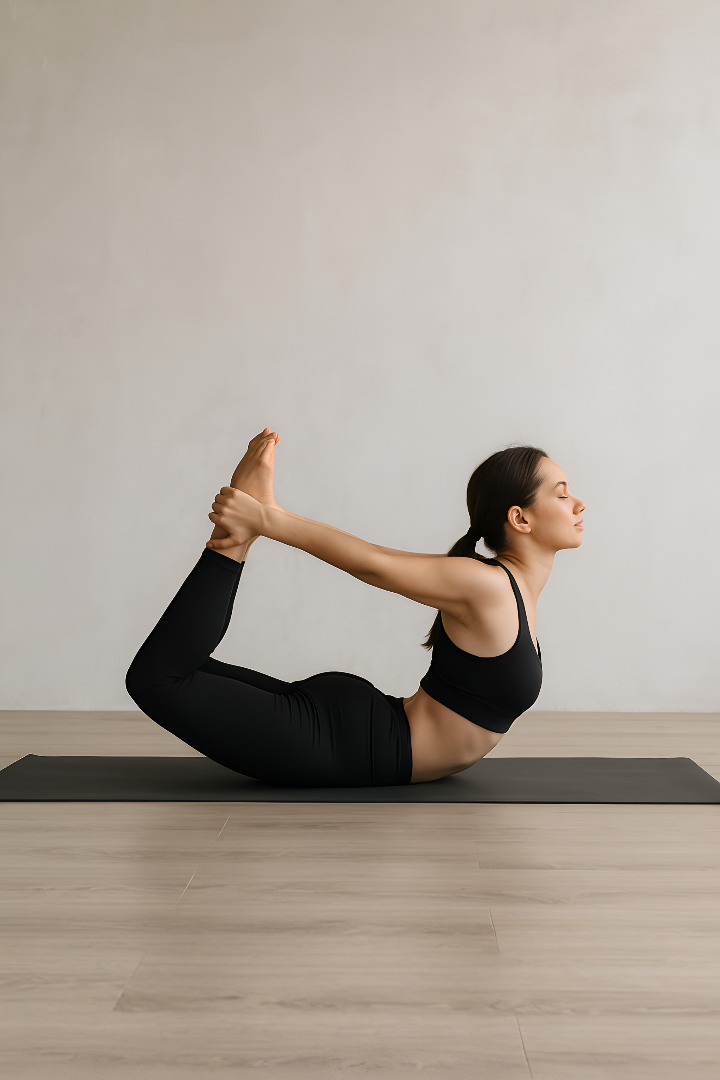
Overview
When we experience stress, our body goes into the sympathetic 'fight-or-flight' mode, raising cortisol levels and increasing muscle tension. Yoga provides a highly effective somatic mechanism to shift back into the parasympathetic 'rest-and-digest' state. Through slow movements, mindful breathing, and quiet stillness, we can regulate our physiological response to stress.
Breathing Techniques for Calm
Pranayama (breath control) is a cornerstone of managing anxiety. Practices like Nadi Shodhana (Alternate Nostril Breathing) and Box Breathing act directly on the vagus nerve, signaling the brain to calm down. Spend 5 to 10 minutes practicing these techniques daily to lower your heart rate and ground your mind.
Restorative Postures to Try
- Legs-Up-The-Wall (Viparita Karani): Restores blood circulation and calms the mind.
- Supported Bridge Pose: Gently opens the chest and releases shoulder tension.
- Savasana (Corpse Pose): The ultimate posture of surrender and complete relaxation.