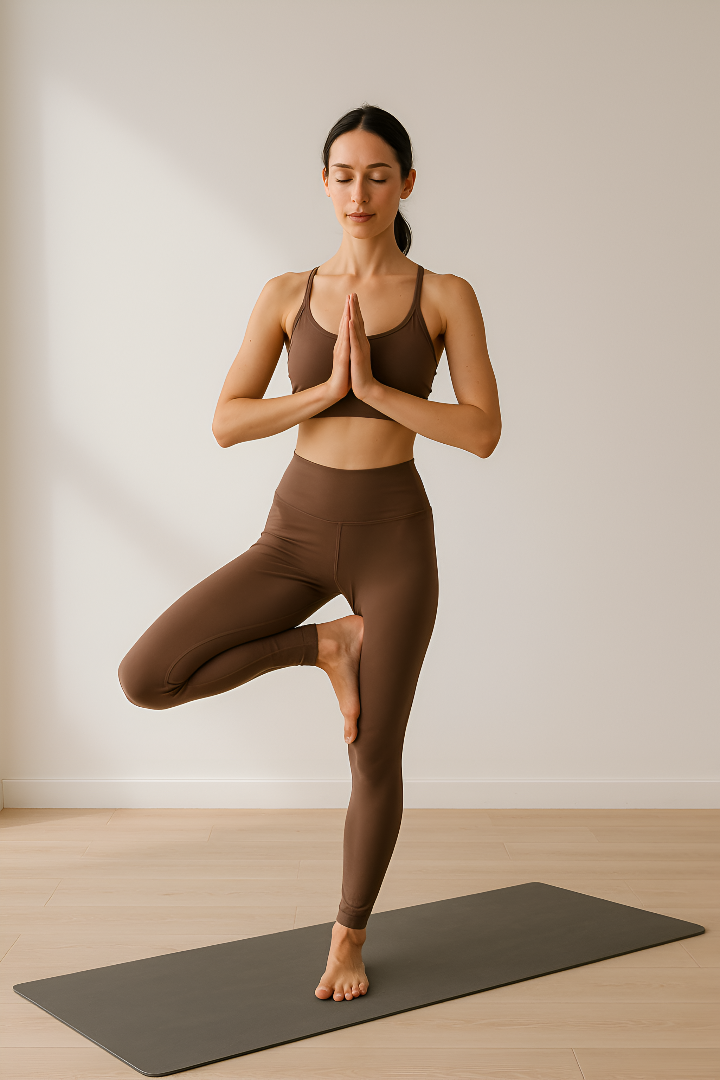
Guided Meditation — Follow the Voice
Guided meditation is a practice where a teacher leads you through a meditation experience using spoken instructions. The guide's voice provides structure, direction, and support, making meditation accessible to beginners while offering depth for experienced practitioners. From visualisations to body scans to breathing guidance, the guided format is one of the most versatile and widely used meditation approaches.
Quick Overview
Guided meditation is exactly what it sounds like — you are guided through the practice by a teacher's voice, either in person or through a recording. The guide provides step-by-step instructions, helping you relax, focus your attention, and navigate the meditation journey. This format is particularly helpful for beginners who are unsure what to do, visual learners who respond well to imagery, and anyone who finds it challenging to meditate in silence.
What Is Guided Meditation?
Guided meditation is a form of meditation where the practitioner follows the verbal guidance of a teacher. The guide's voice serves as an anchor, providing a structure that prevents the mind from wandering too far. This is particularly valuable for beginners who may feel lost or uncertain when trying to meditate on their own. Guided meditation has become immensely popular through apps like Headspace, Calm, and Insight Timer, which offer thousands of guided sessions for every purpose — stress relief, sleep, focus, creativity, healing, and more.
Purpose of Guided Meditation
The primary purpose of guided meditation is to make meditation accessible and effective for people who struggle with self-directed practice. Many people find that their minds are too busy or restless to meditate in silence. The guide's voice gives the mind something to follow, reducing the effort required to stay focused. Guided meditation also serves specific purposes depending on the theme — stress reduction, sleep preparation, emotional healing, creative inspiration, or spiritual exploration.
Benefits of Guided Meditation
Perfect for Beginners
Guided meditation removes the uncertainty of 'Am I doing this right?' The teacher's voice provides clear instructions, making it easy to follow along.
Reduces Mental Effort
Following a guide requires less mental effort than self-directed practice. Ideal for days when your mind is particularly tired or scattered.
Structured and Purposeful
Guided meditations are designed for specific outcomes — sleep, focus, stress relief, healing. You can choose the session that matches your need.
Accessible Anywhere
With meditation apps and online recordings, you can access guided meditation anywhere, anytime. This makes it easy to maintain a consistent practice.
Teaches Multiple Techniques
Through guided sessions, you learn different approaches — body scans, visualisations, breathwork, loving-kindness. This helps you discover what works best for you.
Builds Independence
Paradoxically, guided meditation teaches you to meditate on your own. As you internalise the patterns, you can gradually transition to unguided practice.
Preparation for Guided Meditation
- 1
Choose a guided meditation that matches your intention — relaxation, sleep, focus, or healing.
- 2
Find a comfortable position — sitting or lying down, whichever suits the session.
- 3
Use headphones for the best experience, especially with binaural beats or spatial audio recordings.
- 4
Set a calm atmosphere — dim lights, comfortable temperature, no distractions.
- 5
Approach with an open mind. Each guide has a unique style. If one does not resonate, try another.
Step-by-Step Practice
Get Comfortable and Press Play
Settle into your position, take a deep breath, and start the recording. Let yourself arrive fully before the main practice begins.
Follow the Guide's Voice
Let the teacher's voice be your anchor. Follow their instructions without overthinking. If your mind wanders, simply return to the sound of the voice.
Engage Your Imagination
If the guide uses imagery (a beach, a forest, a light), engage your imagination fully. See the colours, feel the sensations, hear the sounds of the imagined environment.
Allow Your Own Experience
Follow the guide's direction but also allow your own experience to unfold. If the guide says 'imagine a warm light' and you feel coolness instead, that is fine.
Rest in the Silence
Many guided meditations include periods of silence. Do not fill this silence with thinking. Rest in the space the guide has created.
Integrate Before Finishing
When the session ends, take a moment before opening your eyes. Notice how you feel. Carry that sense of calm with you as you transition back.
Duration and Practice
Guided meditations range from 3 to 60 minutes. For beginners, 5 to 10 minutes is a good starting point. As your comfort grows, explore longer sessions. Morning guided meditations tend to be more energising; evening sessions are more relaxing.
Best Time to Practice
Guided meditation can be practised anytime. Morning guidance helps set the tone for the day. Midday sessions provide a reset. Evening sessions prepare the mind for restful sleep.
Creating Your Guided Space
A comfortable, quiet environment enhances guided meditation. Use headphones for the best audio quality — this blocks external noise and creates an intimate sense of the guide speaking directly to you.
Breathing Guidance
Follow the guide's instructions regarding the breath. If the guide asks you to deepen the breath, follow their lead. If they do not mention the breath, simply let it flow naturally.
Common Mistakes
Multitasking During Practice
Guided meditation requires your full attention. Do not listen while working, driving, or browsing your phone.
Comparing to Other Sessions
Each guided session is unique. Approach each practice with beginner's mind, as if for the first time.
Disliking the Guide's Voice
A guide's voice is a matter of personal preference. If a voice irritates you, try a different guide. There are thousands available.
Overthinking the Instructions
Do not analyse the guide's instructions during practice. Simply follow. The time for reflection is after the session.
Falling Asleep
If you fall asleep during guided meditation, that is okay — it means you needed rest. Try sitting up if you want to stay awake.
Precautions
Choose Appropriate Content
Select guided meditations that match your current state. Avoid intense emotional healing sessions when you are feeling fragile.
Use Headphones Safely
Keep the volume at a comfortable level. Prolonged use at high volume can damage hearing.
Trust Your Intuition
If a guided meditation does not feel right, stop and try something else. Your comfort comes first.
Who Should Approach with Caution
Those Easily Influenced
If you are highly suggestible, be mindful of the content and intention of the guided meditations you choose. Stick with reputable teachers.
History of Trauma
Some guided meditations may include visualisations that can be triggering. Seek trauma-informed resources.
Tips for Beginners
- 1
Try several different guides and styles. The right guide makes all the difference.
- 2
Start with short sessions (5 to 10 minutes) and gradually increase duration.
- 3
Use a meditation app like Insight Timer (free), Headspace, or Calm for variety.
- 4
Do not worry if your mind wanders. Simply return to the guide's voice when you notice.
- 5
Practise in a quiet space where you will not be interrupted.
Notes for Advanced Practitioners
If you are an experienced meditator, guided meditation can still be valuable. Use it to explore new techniques, deepen your understanding of specific approaches, or as a gentle practice when your energy is low.
Related Practices
Explore More Categories
Frequently Asked Questions
Keep Exploring This Topic
Meditation Journey
Related Meditation
Jump Back Into What Matters
Ready to Deepen Your Meditation Practice?
Learn these techniques with personalised guidance from Gayatri. A one-on-one session can transform your practice.