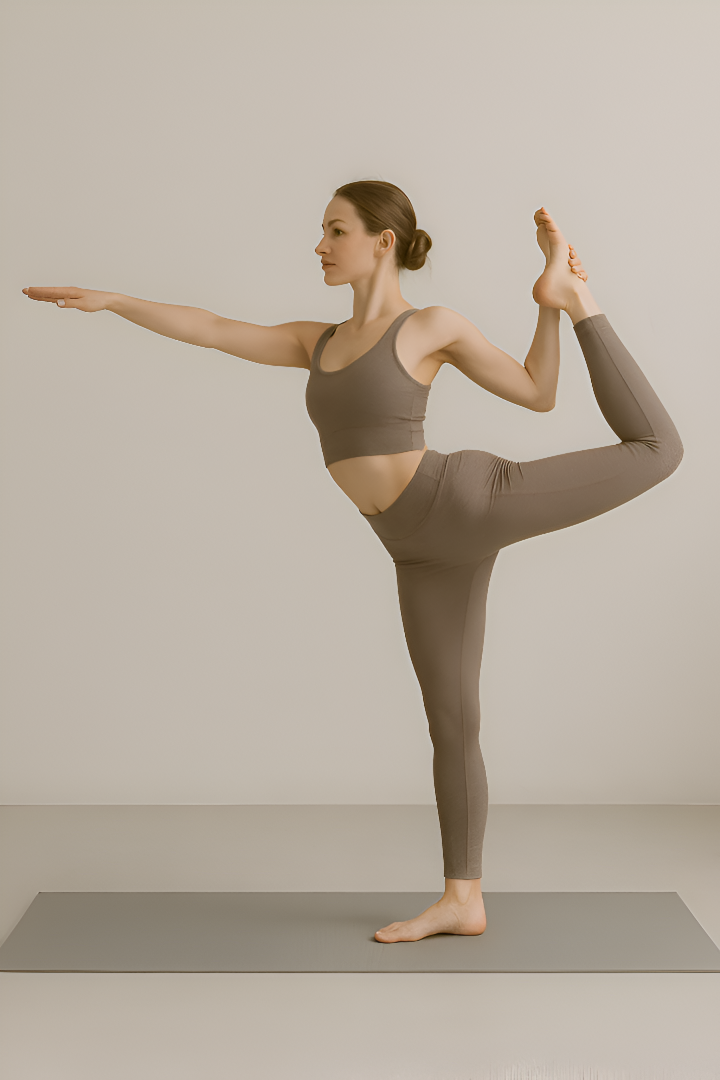
Jnana Yoga
Jnana Yoga is the path of wisdom and knowledge — the most direct and intellectually rigorous approach to self-realization. Through discrimination between the real and the unreal, sustained self-inquiry, and the study of sacred texts, the Jnana Yogi directly realizes their true nature as pure consciousness.
The Yoga of Wisdom
Jnana Yoga is one of the four main paths of yoga and is considered the most direct path to liberation. It is the path of knowledge — not intellectual knowledge gathered from books, but direct experiential knowledge of the true self. The Jnana Yogi uses the mind to transcend the mind, systematically discriminating between the permanent and the impermanent, the real and the unreal, until only the truth remains. The primary methodology is self-inquiry, asking Who am I? and tracing the sense of self back to its source.
Why Jnana Yoga Matters
Jnana Yoga addresses the fundamental human questions: Who am I? What is real? What is the purpose of life? In a world filled with distractions and superficial answers, Jnana Yoga provides a rigorous method for cutting through illusion and directly experiencing truth. It is the path for those who are not satisfied with secondhand knowledge and who feel a burning desire to know the truth for themselves, beyond all belief and opinion.
Benefits of Jnana Yoga
Freedom from Ignorance
Jnana Yoga directly targets the root cause of suffering — ignorance of our true nature. Removing this ignorance brings lasting freedom and peace.
Mental Clarity
The practice of discrimination sharpens the intellect, bringing remarkable clarity to all areas of life, from personal decisions to philosophical understanding.
Fearlessness
Realizing the true self as eternal and indestructible naturally dissolves the fear of death, loss, and change.
Independence
Jnana Yoga leads to self-reliance in spiritual matters. You no longer depend on external authorities, teachers, or scriptures for validation of the truth.
Who Is Jnana Yoga For?
Intellectual Seekers
People with a strong intellectual bent who want to understand the nature of reality through reason and direct inquiry.
Philosophers
Students of philosophy who want to explore the deepest questions of existence through a practical, experiential methodology.
Questioners
Anyone who is not satisfied with superficial answers and feels a deep need to know the truth directly for themselves.
Advanced Practitioners
Yogis who have already established some degree of mental discipline and are ready for the subtle work of self-inquiry.
Things to Know About Jnana Yoga
Four Qualifications
Traditional texts describe four qualifications for Jnana Yoga: Viveka (discrimination), Vairagya (dispassion), Shatsampat (six virtues including calmness and patience), and Mumukshutva (intense desire for liberation).
Neti Neti Teaching
The primary method of Jnana Yoga is neti neti — not this, not this. By negating everything that is not the true self, the practitioner eventually arrives at what remains: pure consciousness.
Advaita Vedanta
Jnana Yoga is closely associated with Advaita Vedanta, the non-dual philosophical system that teaches the identity of Atman (individual self) and Brahman (universal consciousness).
Requires Preparation
Pure Jnana Yoga is considered the most demanding path. Most practitioners benefit from combining it with Karma Yoga and Bhakti Yoga to purify the mind before deep self-inquiry.
Related Topics
Frequently Asked Questions
Keep Exploring This Topic
Related Yoga Philosophy
Jump Back Into What Matters
Ready to Begin Your Yoga Journey?
Your first class is free. Talk to Gayatri and discover the practice that's right for you.