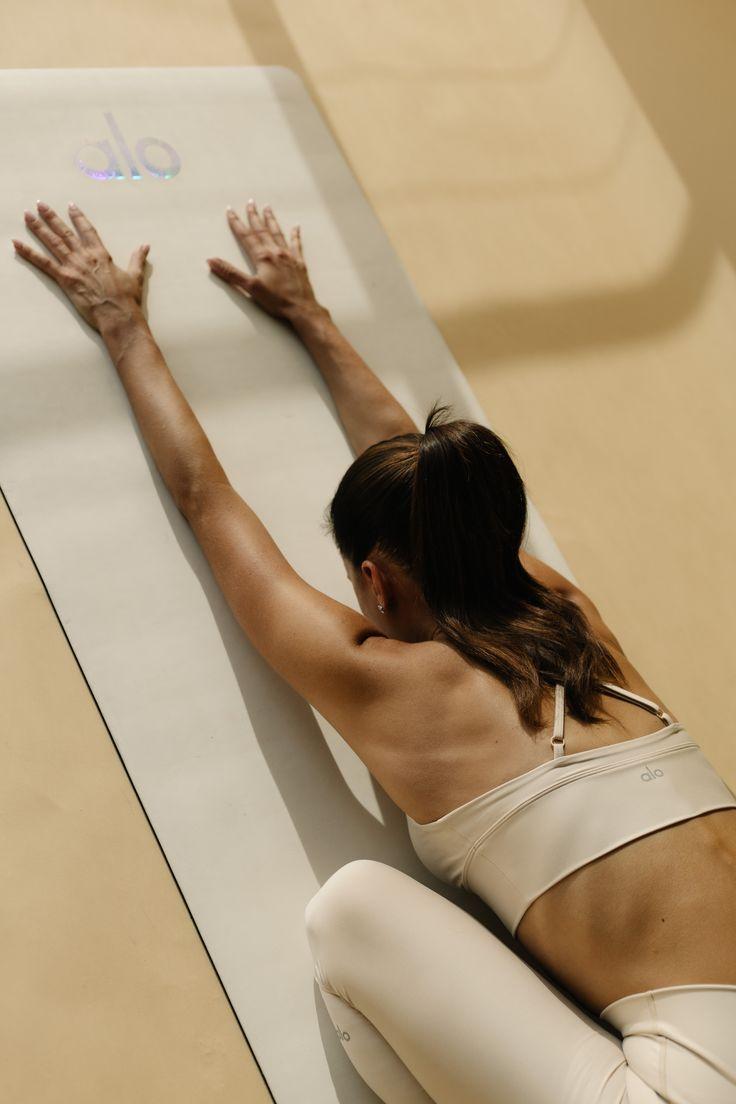
Yoga for Back & Spine Care
Most of us will experience back or neck discomfort at some point. Yoga offers a gentle way to strengthen the muscles that support the spine, release habitual tension, and move with greater ease.
Strength and Release for a Happy Spine
Back discomfort often comes from weak core muscles, tight hips and hamstrings, and long hours in one position. This category explores gentle, spine-friendly practices that may help you build support, release tension, and prevent future strain.
Understanding Back Discomfort
The spine is a remarkably strong structure cushioned by discs and supported by layers of muscle. Discomfort usually arises when muscles become weak or tight, when posture loads the spine unevenly, or after sudden strain. Yoga addresses the root causes — building core strength, restoring mobility, and teaching you to move with awareness.
Ways Yoga May Support You
Strengthens the Core
A stable core takes pressure off the spine. Poses like Bhujangasana and gentle planks build the deep abdominal muscles that support the lower back.
Releases Tight Hips and Hamstrings
Tightness here tilts the pelvis and strains the lower back. Gentle folds and hip openers like Janu Sirsasana may ease this pull.
Improves Postural Awareness
Standing poses train you to stack your spine naturally, reducing the forward-head and rounded-shoulder patterns behind much neck and upper back pain.
Calms Tension-Related Pain
Stress tightens the back muscles. Breathwork and Savasana teach the body to let go, which may reduce the muscle spasm component of pain.
Conditions Covered
Who This Category Helps
Desk Workers
If you sit for hours, these 10-minute practices offer a powerful reset for your spine and shoulders.
People with Recurring Backache
Regular, gentle practice may help you manage discomfort and reduce how often it flares up.
Anyone Wanting Better Posture
Standing tall with ease is a skill. These poses train the muscle memory behind good posture.
Seniors Protecting Mobility
A healthy spine is central to staying independent and active as we age.
Practice Safely
Get a professional diagnosis before starting if your back pain is severe, radiates down a leg, or follows an injury.
Never force a forward fold or backbend. Move only to the point of gentle stretch, never pain.
Avoid deep twists and forward folds during acute pain episodes — focus on gentle breathing instead.
If you have a disc issue, osteoporosis, or spinal surgery history, consult your doctor and work with an experienced teacher.
Use props — cushions under the knees, blocks under the hands — to keep your spine neutral.
Frequently Asked Questions
Keep Exploring This Topic
Pair This With Other Practices
Jump Back Into What Matters
Support Your Wellness Goals With Yoga
Your first class is free. Talk to Gayatri and get personalized guidance for your needs.