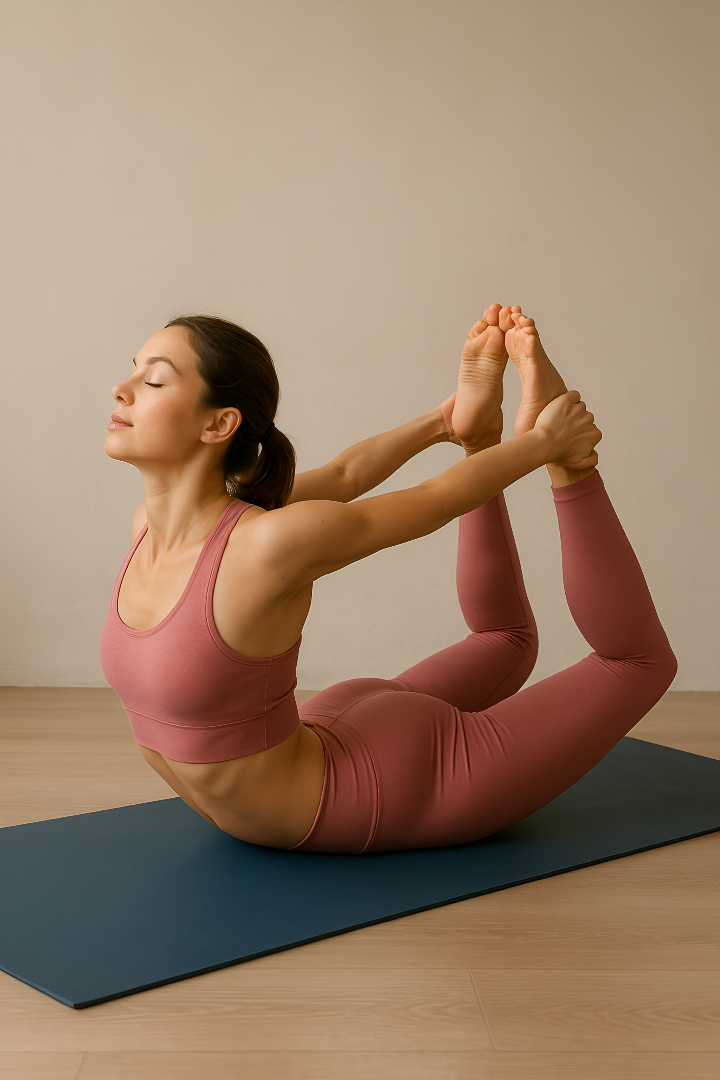
Yoga Is a Lifestyle, Not Just a Class
Yoga is far more than stretching on a mat — it is a complete way of living that harmonises body, mind, and spirit. Rooted in Patanjali's eight limbs, the yoga lifestyle weaves mindfulness, ethics, health, and self-inquiry into everyday life, helping you live with more balance, purpose, and peace.
The Yogic Way of Living
The yoga lifestyle is the practice of yogic principles off the mat. At its heart are the eight limbs of Patanjali: ethical guidelines (yama), personal observances (niyama), physical postures (asana), breath control (pranayama), sense withdrawal (pratyahara), concentration (dharana), meditation (dhyana), and union (samadhi). This path shows that real yoga is lived — in how you eat, speak, work, rest, and relate to yourself and others. You do not need to master all of it; you begin where you are, one mindful choice at a time.
Why It Matters
Practising yoga only on the mat gives you physical fitness; living a yoga lifestyle gives you a life that feels aligned. The ethical principles reduce inner conflict and improve relationships. Daily practice builds health and calm. Mindfulness brings presence to work and rest. Together, these create a sustainable sense of wellbeing that is not dependent on circumstances — the deep contentment that yoga calls 'sthitaprajna', or steady wisdom.
Live Your Practice Daily
Begin With Ethical Intentions
Start each day by setting gentle intentions — non-harming, truthfulness, contentment — that guide how you meet the day.
Practice on the Mat
Keep a daily asana and breath practice, even if brief. The mat is where you train the qualities you carry into life.
Eat With Awareness
Choose fresh, simple, seasonal foods and eat mindfully. Yogic eating (sattvic) favours food that is nourishing and grounding.
Serve and Be Kind
Include an act of kindness or service daily — small generosity quiets the ego and connects you to others.
Study and Reflect
Spend a few minutes each day in self-study — journaling, reading, or reflecting on your actions and patterns.
Rest and Surrender
End the day with relaxation and gratitude, trusting the process rather than forcing outcomes.
Yogic Habits for Daily Life
Ahimsa — Non-Harming
Practice kindness toward yourself and others, including gentleness with your own body, thoughts, and food choices.
Satya — Truthfulness
Speak and act with honesty and integrity, in a way that is also kind and useful.
Santosha — Contentment
Cultivate gratitude for what you have. Contentment with the present is one of yoga's most liberating practices.
Svadhyaya — Self-Study
Regularly examine your patterns with curiosity and compassion. Awareness of yourself is the beginning of change.
Tapas — Steady Effort
Show up consistently, even in small ways. Disciplined daily practice transforms both body and character.
Brahmacharya — Moderation
Use your energy wisely — moderate stimulation, food, and activity so that vitality is conserved for what matters.
The Eight Limbs in Practice
Yogic (Sattvic) Eating
Fresh Whole Grains
Rice, millets, oats, and whole wheat form the nourishing base of a yogic diet.
Seasonal Vegetables and Fruits
Fresh, in-season produce brings vitality and aligns eating with nature's rhythm.
Legumes and Dal
Mung dal, chickpeas, and beans provide clean plant protein that supports practice and recovery.
Milk and Curd in Moderation
Traditional sattvic staples, chosen for their nourishment and easy digestion.
Nuts, Seeds, and Ghee
Small amounts of healthy fats support the brain, nerves, and the absorption of nutrients.
Herbal Teas and Warm Water
Tulsi, ginger, and herbal infusions keep you hydrated, grounded, and balanced.
Bring Yoga Off the Mat
Practice the Yamas in Relationships
Let non-harming, truthfulness, and non-possessiveness guide how you treat family, colleagues, and strangers.
Make Every Task Mindful
Washing dishes, driving, or working can become practice when done with full attention and care.
Spend Time in Nature
Yogis seek calm environments. Regular time in nature restores the nervous system and mirrors inner stillness.
Simplify Your Life
Reduce clutter, commitments, and noise. A simpler life supports the quiet, centred quality yoga cultivates.
Connect With a Community
Practise with others — in class or with friends. Sangha (community) sustains and deepens practice.
Be Patient With the Journey
The yoga lifestyle unfolds over a lifetime. Progress, not perfection, is the path.
Frequently Asked Questions
Jump Back Into What Matters
Build a Sustainable Lifestyle With Gayatri
Get personalised wellness guidance that fits your routine. A one-on-one session with Gayatri can help you build habits that last.