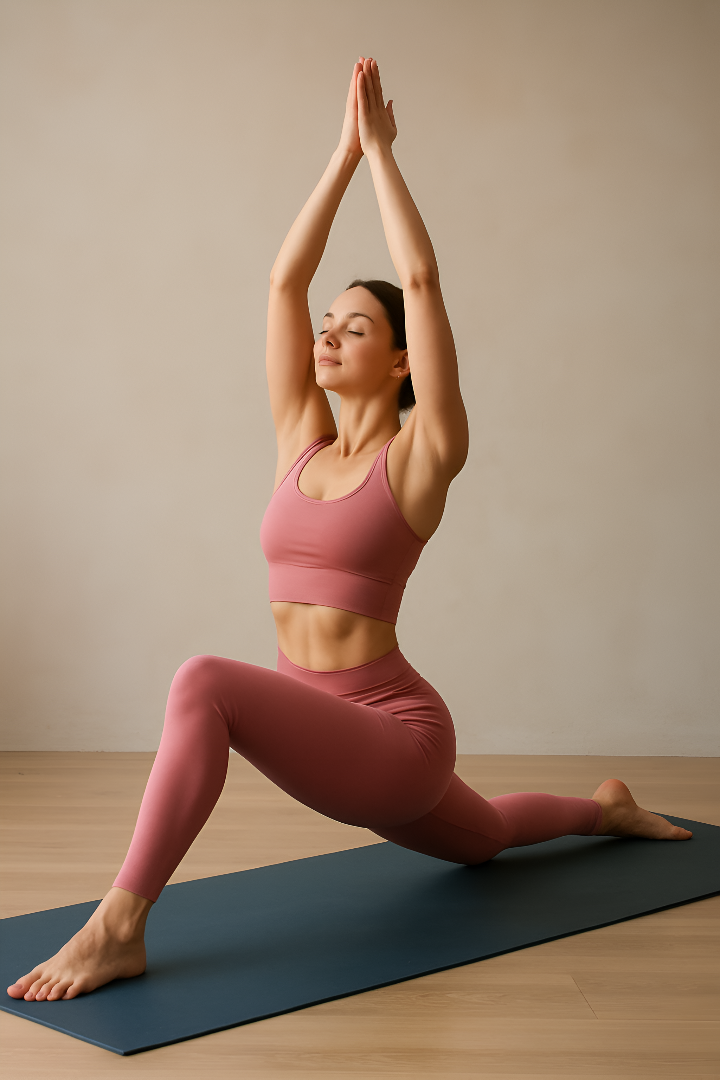
Eight Limbs of Yoga
The eight limbs of yoga, known as Ashtanga in Sanskrit, form the complete path of classical yoga as described by Patanjali in the Yoga Sutras. From ethical living and physical postures to breath control, concentration, and spiritual absorption, each limb builds upon the previous one to guide the practitioner toward self-realization.
The Eightfold Path of Yoga
The eight limbs of yoga are Yama (ethical restraints), Niyama (personal observances), Asana (posture), Pranayama (breath control), Pratyahara (sense withdrawal), Dharana (concentration), Dhyana (meditation), and Samadhi (spiritual absorption). Together, these eight practices form a comprehensive system for purifying the body, stabilizing the mind, and ultimately realizing the true nature of the self. This is not a sequential checklist but an integrated path where each limb supports and deepens the others.
Why the Eight Limbs Matter
The eight limbs provide a complete and balanced approach to human development. Many people focus exclusively on asana, the third limb, while neglecting the ethical foundations and meditative practices that give yoga its transformative power. Understanding all eight limbs allows you to practice yoga as an integrated system — addressing not just physical fitness but also character, relationships, mental clarity, and spiritual growth.
Benefits of the Eight Limbs
Ethical Foundation
The Yamas and Niyamas provide a practical ethical code that improves relationships, reduces conflict, and creates inner harmony.
Physical Health
Asana and Pranayama build physical strength, flexibility, and vitality while supporting the proper functioning of the nervous and respiratory systems.
Mental Mastery
Pratyahara, Dharana, and Dhyana train the mind to withdraw from distractions, focus single-pointedly, and enter states of deep meditative peace.
Spiritual Fulfillment
The ultimate limb, Samadhi, is a state of profound peace, unity, and freedom that represents the highest aspiration of human life.
Who Should Explore the Eight Limbs?
All Yoga Practitioners
Anyone practicing yoga will benefit from understanding the complete system beyond physical postures.
Spiritual Seekers
Those looking for a structured, time-tested path for spiritual growth and self-realization.
Yoga Teachers
Instructors who want to offer a more holistic and authentic yoga experience to their students.
Personal Development Enthusiasts
Anyone interested in a comprehensive system for ethical living, mental discipline, and personal transformation.
Things to Know About the Eight Limbs
Not Sequential Steps
The eight limbs are not strictly sequential steps but interdependent practices. A beginner can benefit from meditation just as an advanced practitioner continues to refine their ethical conduct.
Yamas Are Universal
The five Yamas — Ahimsa (non-violence), Satya (truthfulness), Asteya (non-stealing), Brahmacharya (moderation), and Aparigraha (non-possessiveness) — are universal ethical principles found in many traditions.
Niyamas Cultivate Discipline
The five Niyamas — Saucha (cleanliness), Santosha (contentment), Tapas (discipline), Svadhyaya (self-study), and Ishvara Pranidhana (surrender to the divine) — build the internal discipline needed for spiritual life.
Three Inner Limbs
The last three limbs — Dharana, Dhyana, and Samadhi — are collectively called Samyama and represent the progressive deepening of meditative absorption.
Related Topics
Frequently Asked Questions
Keep Exploring This Topic
Related Yoga Philosophy
Jump Back Into What Matters
Ready to Begin Your Yoga Journey?
Your first class is free. Talk to Gayatri and discover the practice that's right for you.