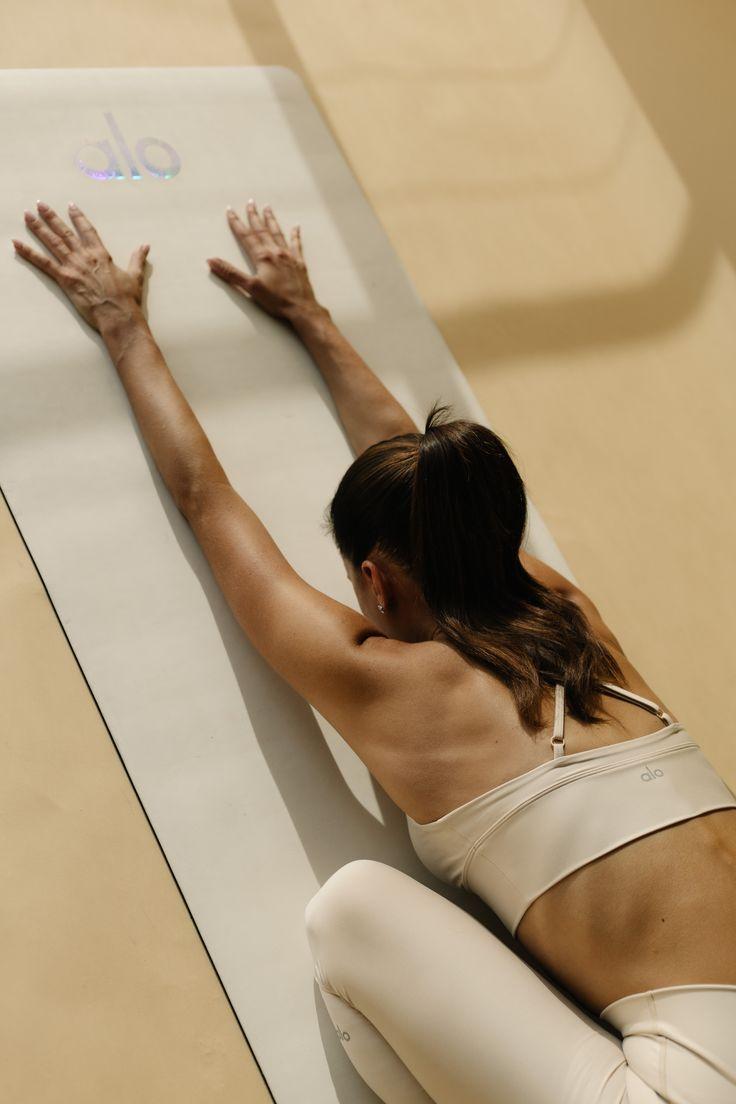
Ujjayi — The Ocean Breath
Ujjayi, meaning victorious breath, is a gentle yet powerful Pranayama technique performed by slightly constricting the back of the throat during both inhalation and exhalation. The resulting soft oceanic sound serves as an auditory anchor for the mind, making it one of the most widely used breathing techniques in modern yoga practice.
Quick Overview
Ujjayi is characterised by a gentle constriction at the back of the throat (glottis) that creates an audible soft rushing sound, resembling ocean waves. The sound serves as a conscious anchor, keeping the mind focused and present throughout practice.
What Is Ujjayi?
Ujjayi Pranayama involves a slight contraction of the epiglottis — the opening between the vocal cords — creating resistance to the airflow. This produces a characteristic soft hissing or oceanic sound on both inhalation and exhalation. In asana practice, Ujjayi links movement to breath, builds internal body heat, and provides real-time feedback on the quality and intensity of the practice. It is often called the Ocean Breath or Victorious Breath.
Benefits of Ujjayi
Improves Focus & Concentration
The audible breath serves as a meditation object, anchoring attention and preventing mental wandering.
Builds Internal Heat
The resistance created at the throat generates warmth in the body, supporting detoxification and flexibility.
Regulates Practice Intensity
The sound of Ujjayi provides real-time feedback — a smooth sound means balanced effort, while ragged sound signals struggle.
Calms the Nervous System
Slow, steady Ujjayi breathing activates the parasympathetic nervous system, promoting calm and presence.
Increases Lung Capacity
Conscious resistance during breathing strengthens respiratory muscles and improves lung function.
Deepens Meditation
The steady rhythm and sound create a natural focal point, deepening meditative absorption.
Who Can Practice Ujjayi
Absolute Beginners
One of the first Pranayama techniques taught — safe and accessible for everyone.
Yoga Practitioners
Essential for linking breath with movement in Vinyasa, Ashtanga, and Hatha yoga styles.
Meditators
The audible breath provides a focal point that naturally deepens concentration.
Athletes
Improves breath control and oxygen efficiency during physical exertion.
Asthma Patients
The gentle resistance strengthens respiratory muscles and improves breathing control.
Who Should Avoid Ujjayi
Sore Throat or Cough
The throat constriction may aggravate a sore throat or cough. Rest until recovered.
Throat Infections
Avoid if you have tonsillitis, pharyngitis, or any active throat infection.
Preparation for Ujjayi
- 1
Sit comfortably with your spine erect, or use it during any asana practice.
- 2
Close your eyes and take several natural breaths.
- 3
Practise making the sound first: open your mouth and exhale with an 'HAAAA' sound as if fogging a mirror.
- 4
Now close your mouth and make the same sound — this is the Ujjayi breath.
- 5
Once you can sustain the sound, practise both inhalation and exhalation with the throat constricted.
Step-by-Step Practice
Find the Throat Construction
Gently constrict the back of your throat as if whispering 'HAAAA'. Keep the mouth closed.
Inhale with Sound
Inhale slowly and deeply through the nose, maintaining the throat constriction to create a soft oceanic sound.
Exhale with Sound
Exhale slowly through the nose, maintaining the same constriction and an even, steady sound.
Match Inhalation and Exhalation
Keep both phases equal in duration and sound quality. Inhale and exhale for 4 to 6 seconds each.
Sustain the Rhythm
Continue for 10 to 20 breaths or integrate into your full asana practice.
Gradually Lengthen the Breath
Over time, extend both inhalation and exhalation to 6 to 8 seconds while maintaining the sound.
Breathing Pattern
Ujjayi uses equal duration inhalation and exhalation with continuous throat constriction. A typical pattern is 4:4 or 6:6 seconds. The sound should be smooth and steady throughout.
Common Mistakes
Constricting Too Tightly
The throat constriction should be gentle. Too much tension restricts airflow and causes strain.
Inconsistent Sound
The sound should be steady and continuous throughout each breath, not just at the beginning.
Holding the Breath
Ujjayi is continuous breathing — there is no retention unless specifically combined with other techniques.
Forcing the Breath
The breath should feel effortless. If you are gasping or straining, reduce the constriction.
Clenching the Jaw
Keep the jaw relaxed, teeth slightly apart, and facial muscles soft.
Safety Precautions
Gentle Constriction Only
The throat should feel gently narrowed, not squeezed or strained.
Stop If Throat Pain Occurs
If you feel pain or discomfort in the throat, rest and try with less constriction next time.
Avoid With Sore Throat
Do not practise Ujjayi if you have a sore throat, cold, or throat infection.
Keep It Effortless
Ujjayi should feel calming and sustainable. If it feels effortful, you are constricting too much.
Best Time to Practice
Ujjayi can be practised anytime — during asana practice, seated meditation, or even while walking. It is particularly effective when used throughout a full yoga practice to link movement with breath and maintain meditative focus.
Related Techniques
Frequently Asked Questions
Keep Exploring This Topic
Jump Back Into What Matters
Ready to Master This Technique?
Deepen your Pranayama practice with personalised guidance from Gayatri. A one-on-one session can transform your practice.