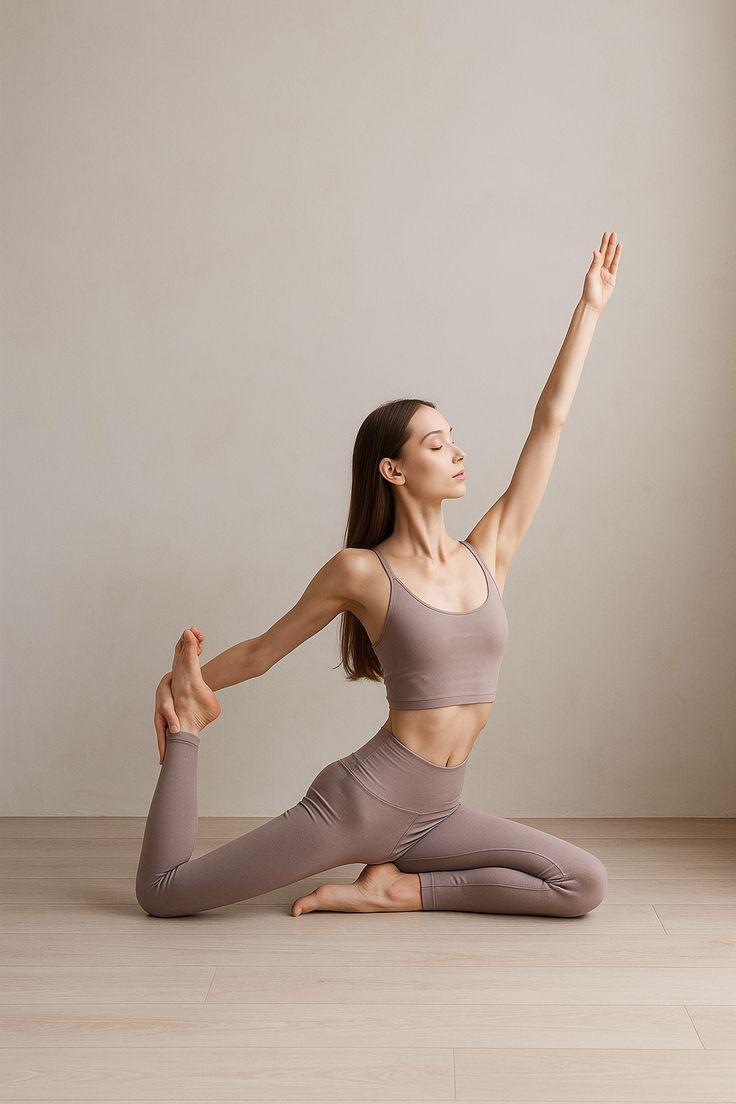
Restorative Yoga — Rest, Recover & Rejuvenate
Restorative Yoga is the ultimate antidote to stress. Using blankets, bolsters, and blocks to fully support the body, each pose is held passively for 5 to 20 minutes, allowing the nervous system to shift into deep rest. It is not about stretching or strengthening — it is about complete, conscious relaxation.
What Is Restorative Yoga?
Restorative Yoga is a therapeutic style of yoga that uses props to support the body in passive poses, allowing complete muscular release and deep relaxation. Unlike Yin Yoga, which applies moderate stress to connective tissues, Restorative Yoga aims for zero muscular effort. Every pose is modified so that the body can soften fully into the support of props. The practice activates the parasympathetic nervous system — the rest and digest response — counteracting the effects of chronic stress, anxiety, and adrenal fatigue.
Why Restorative Yoga Matters
Modern life keeps the sympathetic nervous system in a constant state of low-grade fight or flight. Over time, this leads to burnout, weakened immunity, digestive disorders, anxiety, and sleep disturbances. Restorative Yoga is a direct intervention — a practice that teaches the body how to relax deeply and systematically. In a well-supported restorative pose, the body can access levels of relaxation that are otherwise only achieved during sleep. For anyone struggling with chronic stress, illness recovery, or simply the exhaustion of daily life, Restorative Yoga is not a luxury — it is essential self-care.
Benefits of Restorative Yoga
Activates the Relaxation Response
By fully supporting the body, Restorative Yoga triggers the parasympathetic nervous system, reducing heart rate, lowering blood pressure, and calming the mind.
Reduces Chronic Stress & Anxiety
Regular practice lowers cortisol levels and trains the nervous system to access a relaxed state more easily, reducing the symptoms of chronic stress and anxiety disorders.
Supports Healing & Recovery
Restorative Yoga is widely used in healing from illness, surgery, or injury. It redirects energy from the stress response to the immune system, accelerating recovery.
Improves Sleep Quality
The deep relaxation experienced in Restorative Yoga carries over into nightly sleep, helping those with insomnia or disrupted sleep patterns find restful, restorative sleep.
Accessible to All Bodies
Because poses require no muscular effort and are fully adapted with props, Restorative Yoga is accessible to people of all ages, fitness levels, and physical conditions.
Who Is Restorative Yoga For
Chronically Stressed Individuals
If you constantly feel overwhelmed, exhausted, or on edge, Restorative Yoga provides a structured way to downshift your nervous system and find genuine rest.
People Recovering from Illness or Injury
Restorative Yoga is ideal during recovery periods when the body needs gentle support rather than exertion. It supports immune function and tissue repair without strain.
Those with Chronic Fatigue or Burnout
For those experiencing adrenal fatigue, burnout, or chronic fatigue syndrome, Restorative Yoga offers a way to rebuild energy reserves without further depletion.
Pregnant Individuals
Restorative Yoga is widely recommended during pregnancy, especially in the second and third trimesters, as it relieves physical discomfort and prepares the body for labor.
Things to Know About Restorative Yoga
Props Are the Foundation
Restorative Yoga requires more props than any other style. Expect to use bolsters, blankets, blocks, straps, eye pillows, and wall space. The props create the conditions for complete release.
Warmth Is Important
Because the body is still for extended periods, body temperature drops. Wear warm, comfortable layers and use blankets to stay warm throughout the practice.
It Is Not a Quick Fix
The benefits of Restorative Yoga build over time. A single session feels wonderful, but regular practice creates lasting shifts in the nervous system and stress resilience.
You May Fall Asleep — That Is Okay
Falling asleep in Savasana or a restorative pose is common. It indicates that your body needed rest. The practice continues working even as you drift off.
Explore Related Topics
Frequently Asked Questions
Keep Exploring This Topic
Types of Yoga Journey
Pair This With Other Practices
Jump Back Into What Matters
Ready to Begin Your Yoga Journey?
Your first class is free. Talk to Gayatri and discover the practice that's right for you.