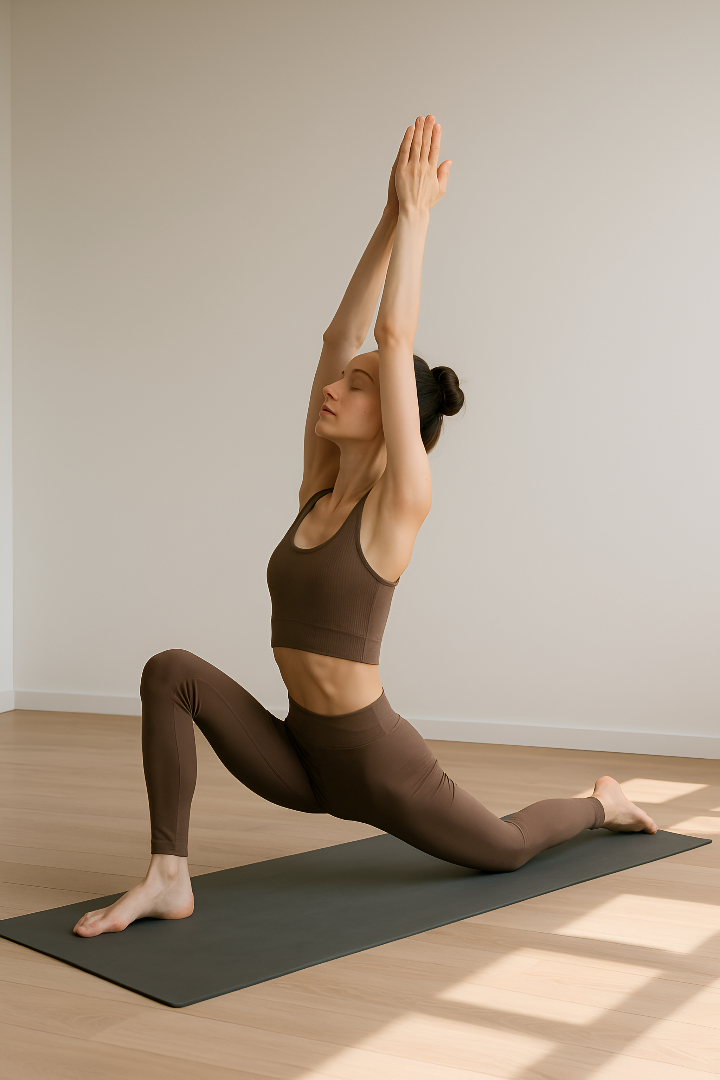
Iyengar Yoga — Precision & Therapeutic Alignment
Iyengar Yoga, developed by B. K. S. Iyengar, is a meticulous style that emphasizes perfect alignment in every posture. Using props such as blocks, straps, blankets, and wall ropes, practitioners explore poses with precision and support. It is one of the most therapeutic and accessible forms of yoga.
What Is Iyengar Yoga?
Iyengar Yoga is a methodical style of yoga that prioritizes structural alignment, precision, and the intelligent use of props to make poses accessible to all bodies. Named after B. K. S. Iyengar, one of the most influential yoga teachers of the 20th century, this approach treats each pose as a study in geometry and body mechanics. Poses are held for longer durations compared to flow-based styles, allowing practitioners to refine alignment, build strength, and experience the full therapeutic effect of each asana. The method is particularly renowned for its effectiveness in rehabilitation and therapeutic applications.
Why Iyengar Yoga Matters
In a world where yoga is increasingly treated as a workout, Iyengar Yoga returns the focus to quality over quantity. Every pose is broken down into its component parts, teaching you to move with awareness and respect for your body's structure. This precision creates lasting change — correcting postural habits, preventing injuries, and addressing chronic pain. Iyengar's systematic approach also makes yoga accessible to people with disabilities, injuries, or health conditions who might otherwise feel excluded. His seminal work, Light on Yoga, remains one of the most comprehensive yoga references ever published.
Benefits of Iyengar Yoga
Corrects Posture Permanently
The obsessive attention to alignment retrains your body to stand, sit, and move with optimal posture, reducing chronic pain caused by poor habits.
Prevents & Heals Injuries
Props allow you to practice poses safely within your range of motion, making Iyengar Yoga one of the safest styles for injury rehabilitation and prevention.
Builds Deep Strength
Holding precise alignments for extended periods engages stabilizer muscles that are often neglected in faster styles, building functional strength from the inside out.
Increases Flexibility Safely
Props support the body in stretches, allowing muscles and connective tissues to release gradually without the risk of overstretching or strain.
Develops Mind-Body Awareness
The intellectual, analytical approach of Iyengar Yoga cultivates a deep understanding of anatomy and body mechanics that enriches every other physical activity.
Who Is Iyengar Yoga For
People with Injuries or Chronic Pain
Iyengar Yoga's therapeutic approach and use of props make it ideal for those recovering from injuries or managing conditions like back pain, arthritis, and scoliosis.
Perfectionists & Analysts
If you enjoy detailed instruction, precision, and understanding why each pose works the way it does, Iyengar's methodical approach will satisfy your analytical mind.
Absolute Beginners
The slow pace and clear instructions make Iyengar Yoga one of the safest and most accessible styles for complete beginners, building a strong foundation.
Yoga Teachers
Iyengar training provides an unparalleled depth of knowledge about alignment, anatomy, and teaching methodology that benefits yoga teachers of all styles.
Things to Know About Iyengar Yoga
Props Are Essential, Not Optional
In Iyengar Yoga, props are not aids for less flexible students — they are integral tools that help every practitioner access the full benefit of a pose, regardless of ability.
Expect Detailed Verbal Instruction
Iyengar teachers give extensive, precise verbal guidance throughout class. Be prepared to listen carefully and make micro-adjustments rather than flowing through poses quickly.
Poses Are Held for Long Durations
Unlike flow-based styles, Iyengar poses are held for 1 to 5 minutes or more. This builds endurance, patience, and deep muscular engagement.
Sequences Are Thematic
Classes are often organized around a specific theme — standing poses, forward bends, backbends, inversions — allowing deep exploration of that category of poses.
Explore Related Topics
Frequently Asked Questions
Keep Exploring This Topic
Types of Yoga Journey
Jump Back Into What Matters
Ready to Begin Your Yoga Journey?
Your first class is free. Talk to Gayatri and discover the practice that's right for you.