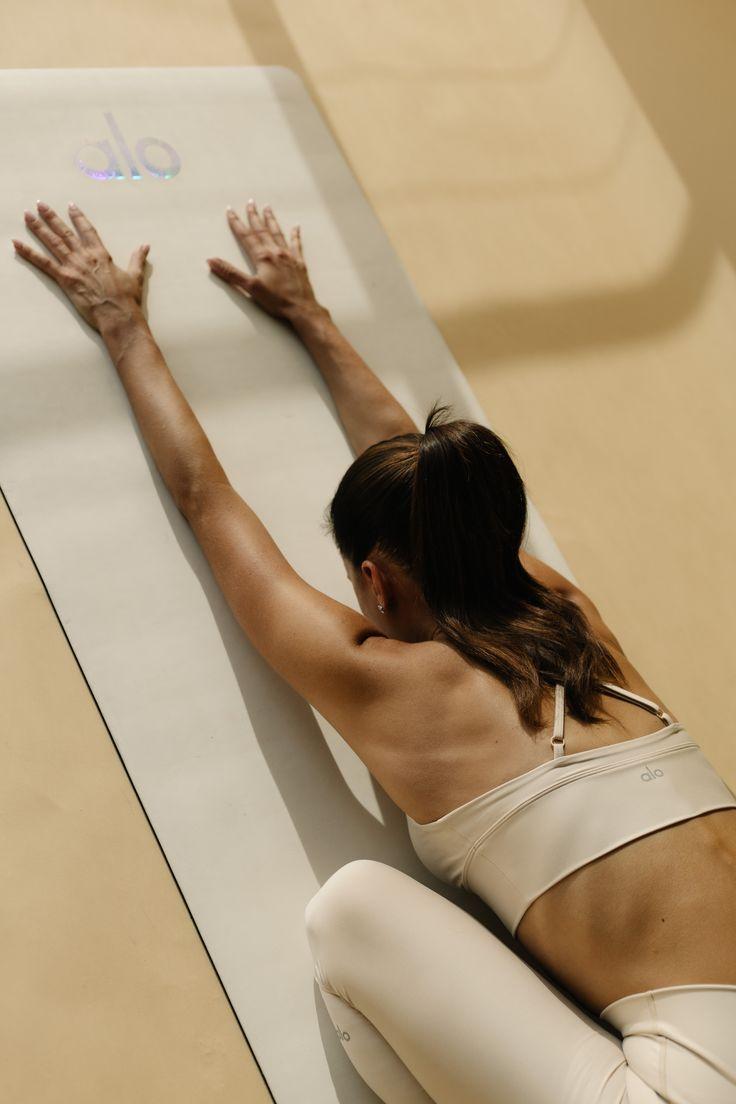
Vasisthasana — Side Plank Pose
Vasisthasana is a lateral arm balance where the body is supported on one hand and the side of one foot, with the other arm extended toward the ceiling. Named after the sage Vasistha, this pose builds exceptional lateral strength in the arms, core, and legs while opening the chest and shoulders.
Quick Overview
Vasisthasana is a fundamental side arm balance that challenges the body in the lateral plane. From a Plank position, the practitioner rotates to one side, supporting the body on one hand and the outer edge of the bottom foot, with the other arm reaching toward the ceiling. The pose develops strength in the obliques, shoulder stabilisers, and supporting arm, while the lifted arm opens the chest and improves thoracic mobility. Named after the revered sage Vasistha, the pose represents steadiness and wisdom.
Benefits of Vasisthasana
Strengthens the Obliques & Core
Maintaining the side-body position requires intense engagement of the oblique muscles and the entire lateral core chain.
Builds Shoulder Stability
The supporting arm and shoulder must stabilise the entire body weight, building strength in the rotator cuff and deltoids.
Strengthens the Wrists & Arms
The single-arm support builds strength in the wrist extensors, triceps, and forearm muscles under an asymmetric load.
Opens the Chest & Shoulders
The lifted arm reaching upward creates a lateral opening in the chest and stretches the shoulder of the rotating arm.
Improves Lateral Balance
Balancing on the side trains neuromuscular coordination in the frontal plane, which is often neglected in sagittal-dominant training.
Body Focus
Engaged intensely to maintain the side-body position and prevent hip drooping
Stabilises the entire body weight and builds rotator cuff strength
Bears full body weight in an extended position
The lifted arm opens the pectorals and stretches the latissimus dorsi
Both legs engage to maintain length and support the lateral balance
Who Should Practice Vasisthasana
Intermediate Yoga Practitioners
Those comfortable with Plank, Downward Dog, and basic arm balances will find Vasisthasana a natural progression.
Athletes Needing Lateral Strength
Side Plank builds the lateral core strength essential for rotational sports, throwing, and side-to-side movements.
Practitioners with Weak Wrists
While challenging, the single-arm support can build balanced wrist strength when practised gradually.
Anyone Working on Shoulder Stability
The asymmetric load of Vasisthasana challenges shoulder stabilisers in a unique way, benefiting overall shoulder health.
Who Should Avoid Vasisthasana
The single-arm weight-bearing can aggravate acute wrist conditions such as sprains or fractures.
The compressed position of the bottom shoulder may aggravate shoulder impingement or rotator cuff issues.
Those who hyperextend the elbow should keep a micro-bend in the supporting arm to protect the joint.
Preparation Tips
Strengthen your Plank pose to build the baseline core and arm strength needed for Side Plank
Practise against a wall initially by placing the bottom foot against the wall for added stability
Warm up the wrists with circles and stretches before bearing weight on one arm
Start with the bottom knee on the ground to reduce the load while learning the alignment
Step-by-Step Instructions
Begin in Plank Pose
Start in a full Plank with hands shoulder-width apart, shoulders stacked over the wrists, and body in a straight line from head to heels.
Shift weight onto the right hand
Walk the left hand slightly toward the centre line and shift your weight fully onto the right hand. Stack the right shoulder directly over the right wrist.
Rotate the body to the left side
Rotate the torso to the left, stacking the left foot on top of the right foot. The outer edge of the right foot presses into the mat.
Lift the left arm toward the ceiling
Extend the left arm straight up, stacking the left shoulder over the right. The gaze can follow the left hand or remain forward.
Engage the core and lift the hips
Press the right hand firmly into the mat and lift the hips upward. The body should form a straight line from the crown of the head to the heels.
Extend through the legs
Press through both feet actively — the bottom foot through the outer edge and the top foot through the inner edge. Keep the quads engaged.
Breathe and hold
Hold for 4–6 breaths, maintaining length through the body and steady breath. Avoid letting the hips sink or the bottom shoulder collapse.
Release and switch sides
Exhale and lower the top arm, return to Plank, and repeat on the other side. Notice any differences between sides.
Breathing Guidance
In Vasisthasana, the side-body opening naturally supports deeper breathing as the chest expands on the lifted side. Inhale to lengthen through the body and lift the hips higher. Exhale to engage the core and stabilise the pose. If you find the breath restricted on the bottom side, soften slightly in the supporting shoulder and focus on slow, even breaths through the nose.
Common Mistakes
Dropping the hips
Correction: The most common issue is letting the hips sag toward the ground. Engage the obliques and glutes to lift the hips into a straight lateral line.
Collapsing the bottom shoulder
Correction: Keep the bottom shoulder strong and drawing away from the ear. Do not let the shoulder blade wing outward.
Stacking the feet incorrectly
Correction: The top foot should rest on the bottom foot or slightly in front for stability. Avoid hooking the top foot behind the bottom leg.
Looking down at the hand
Correction: Fix the gaze forward or up toward the top hand. Looking down compresses the neck and compromises alignment.
Safety Precautions
If you tend to hyperextend the elbow, maintain a slight bend to protect the joint from locking.
If wrist or shoulder strength is limited, lower the bottom knee to the ground while keeping the side-body engaged.
The asymmetric weight-bearing can aggravate shoulder issues. Consult a healthcare provider if you experience sharp pain.
Variations & Modifications
Supported Vasisthasana (Knee Down)
IntermediateLower the bottom knee to the ground while maintaining the side-body rotation and lifted arm. Reduces the load while building alignment.
Vasisthasana with Top Leg Lifted
IntermediateLift the top leg to hip height or higher, adding a balance challenge and opening the inner thigh and hamstring.
Vasisthasana in Wild Thing (Camatkarasana)
IntermediateFrom Side Plank, bend the top knee and bring the top foot to the ground behind you, arching the back and opening the chest skyward.
Related Asanas
Explore Related Categories
Frequently Asked Questions
Keep Exploring This Topic
Jump Back Into What Matters
Master Side Plank Pose with Personal Guidance
Your first class is free. Talk to Gayatri and get personalized alignment cues for your practice.