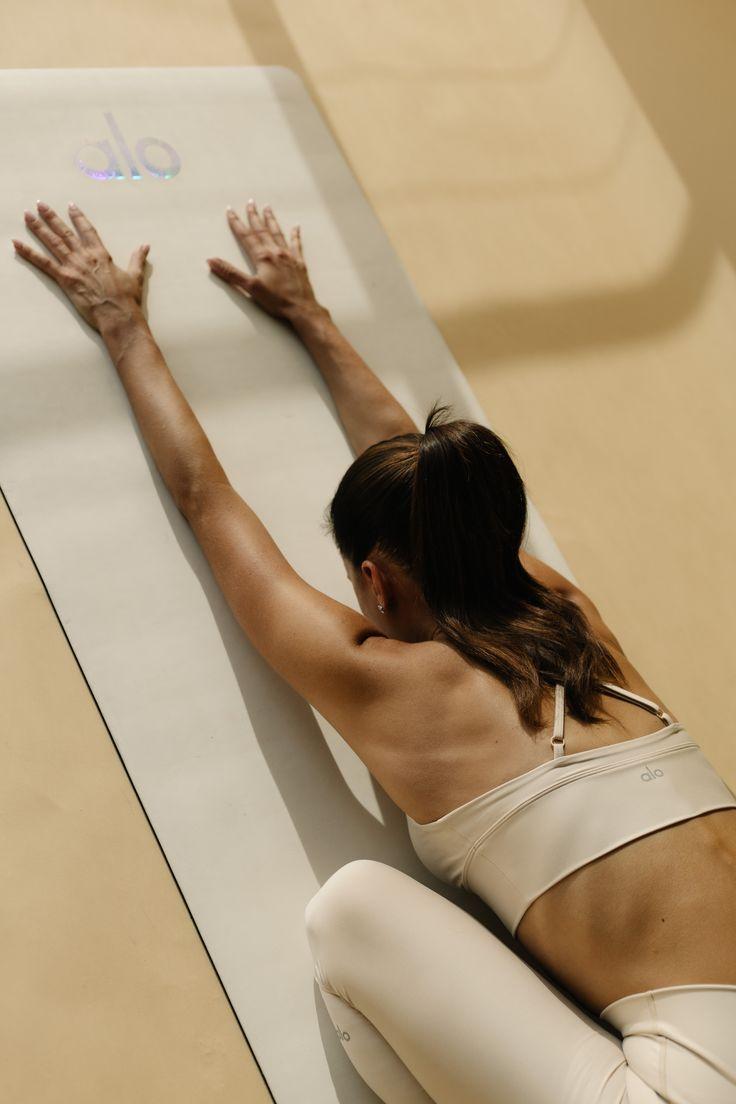
Makarasana — Crocodile Pose
Makarasana is a prone relaxation pose that resembles a crocodile resting at the water’s edge. The pose supports the abdomen and lower back while encouraging diaphragmatic breathing. It is often used as a resting pose during pranayama practice or as a gentle release for the lower back after backbends.
Quick Overview
Makarasana is a prone relaxation pose that provides gentle compression to the abdomen while supporting the natural curve of the lower back. The crossed-arm position elevates the chest slightly, allowing the diaphragm to move freely during breathing. This pose is particularly useful for calming the mind, releasing lower back tension, and practicing abdominal breathing awareness.
Benefits of Makarasana
Releases Lower Back Tension
The gentle compression of the abdomen and the supported position of the pelvis help relax the lumbar muscles after backbends or prolonged standing.
Supports Diaphragmatic Breathing
The elevated chest position allows the diaphragm to move freely, making Makarasana an excellent pose for pranayama practice.
Calms the Nervous System
The prone position and gentle abdominal pressure have a grounding effect that can help reduce anxiety and mental agitation.
Massages Abdominal Organs
The gentle pressure of the abdomen against the floor stimulates digestive organs and may support healthy digestion.
Relaxes the Shoulders
The crossed-arm position allows the shoulders to release forward, relieving tension in the upper back and neck.
Body Focus
Releases tension in the lumbar muscles and supports spinal decompression
Gentle compression provides a soothing sensation to the digestive organs
The elevated chest position allows unrestricted diaphragmatic movement
The forward-supported arm position releases upper body tension
The prone position helps release tightness in the hip flexors
Who Should Practice Makarasana
Pranayama Practitioners
Makarasana is the traditional resting pose for pranayama practice, offering optimal conditions for abdominal breathing.
Those with Lower Back Discomfort
The gentle support of the abdomen can help release tension in the lower back muscles.
Yoga Students After Backbends
Makarasana provides a gentle counterpose to backbends, helping the spine return to a neutral position.
Individuals Seeking Grounding
The prone position has a naturally grounding effect that can help reduce feelings of anxiety or restlessness.
Who Should Avoid Makarasana
Lying face down is not suitable during pregnancy. Practice side-lying relaxation instead.
The abdominal pressure may cause discomfort or strain in the healing area. Consult a healthcare provider.
Preparation Tips
Place a folded blanket under the hips if you feel any pinching in the lower back
Use a small towel under the forehead if the crossed-arm position feels too high
Practice on a mat or soft surface for comfort
Loosen tight clothing around the abdomen for unrestricted breathing
Step-by-Step Instructions
Lie face down on the mat
Extend both legs directly behind you with the feet hip-width apart. Allow the toes to point outward naturally.
Bring the arms forward
Bend both elbows and stack the forearms on the floor in front of you. The left forearm rests on the right, or vice versa.
Rest the forehead on the arms
Place the forehead gently on the crossed forearms. Adjust the arm position so the neck remains neutral and comfortable.
Relax the lower body
Allow the legs, hips, and lower back to soften completely. Let the weight of the pelvis sink toward the floor.
Bring awareness to the abdomen
Notice the gentle pressure of the abdomen against the floor. With each inhalation, feel the abdomen press gently into the mat.
Observe the breath
Maintain the position while breathing naturally. Focus on the movement of the diaphragm and the rising and falling of the back.
Breathing Guidance
Makarasana is ideally suited for abdominal or diaphragmatic breathing. The crossed-arm position elevates the chest, allowing the breath to move freely into the lower lungs. Inhale gently, feeling the abdomen and lower back expand against the floor. Exhale fully, allowing the abdomen to soften. This pose is often used as the starting position for pranayama techniques such as Anuloma Viloma or Bhastrika because of the stability it provides to the breathing mechanism.
Common Mistakes
Turning the head to the side
Correction: Keep the forehead resting on the forearms with the neck in a neutral position. Turning the head strains the neck.
Arching the lower back
Correction: If the lower back feels arched, place a folded blanket under the hips or bring the feet slightly wider apart.
Holding tension in the shoulders
Correction: Consciously release the shoulder blades away from the ears. The arms are for support, not effort.
Breathing shallowly
Correction: The pose is designed to support deep breathing. If you notice shallow chest breathing, bring attention to the abdomen and lower ribs.
Safety Precautions
Makarasana involves lying face down and is not suitable during pregnancy. Use side-lying relaxation instead.
If the crossed-arm position strains the neck, use a bolster or folded blanket to support the forehead at a comfortable height.
If you feel a pinching sensation in the lower back, place a folded blanket under the hips to reduce the angle of the lumbar curve.
Variations & Modifications
Extended Arm Makarasana
BeginnerExtend both arms forward on the floor with palms down, keeping the forehead on the mat for a gentler shoulder position.
Supported Makarasana
BeginnerPlace a rolled blanket or bolster lengthwise under the torso from the hips to the chest for extra support and a mild backbend.
Makarasana with Leg Lift
IntermediateFrom the basic position, alternately lift each leg a few inches off the floor to engage the glutes and lower back.
Related Asanas
Explore Related Categories
Frequently Asked Questions
Keep Exploring This Topic
Jump Back Into What Matters
Master Crocodile Pose with Personal Guidance
Your first class is free. Talk to Gayatri and get personalized alignment cues for your practice.