Trikonasana — Triangle Pose
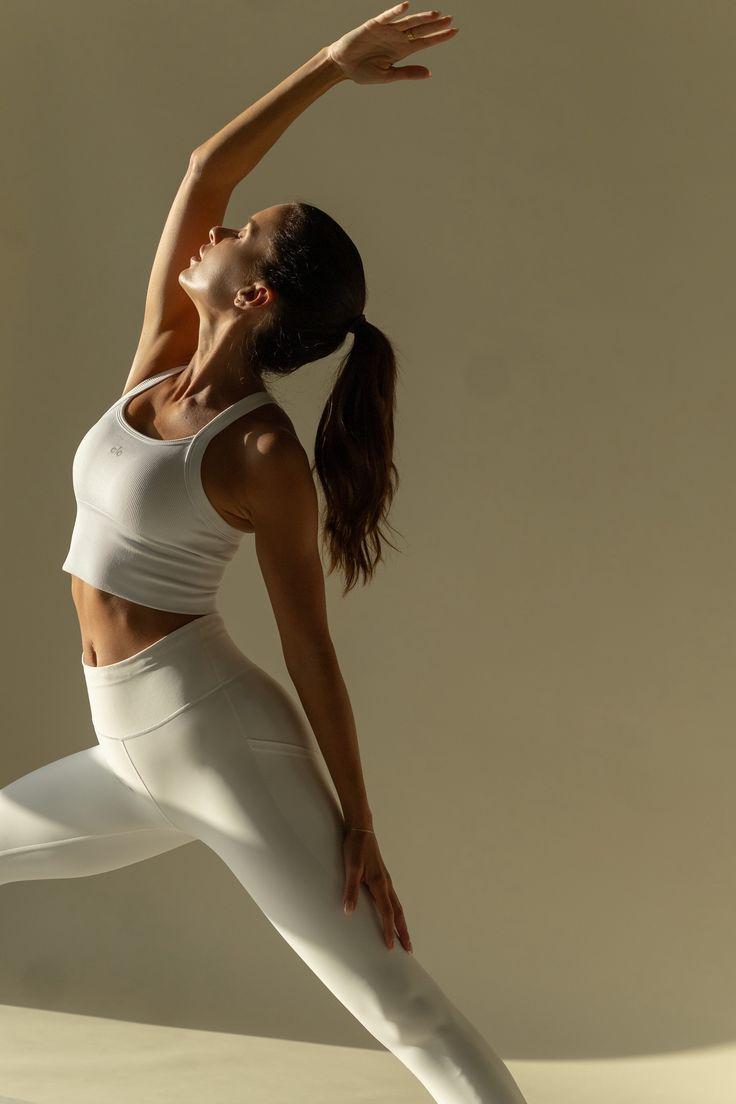
Trikonasana is a standing lateral stretch that opens the hips, lengthens the spine, and builds strength in the legs. The triangular shape formed by the body symbolizes expansion and stability.
Quick Overview
Trikonasana is a lateral standing pose where the body forms two triangles — one created by the legs and the ground, and another by the outstretched arm, the front leg, and the ground. This pose beautifully combines strength, flexibility, and balance, stretching the side body while building stability in the legs and core.
Benefits of Trikonasana
Stretches the Side Body
The lateral bend lengthens the intercostal muscles, obliques, and hip abductors, improving flexibility along the entire side of the body.
Strengthens the Legs
Both legs engage actively — the front quadriceps and hamstrings support the body while the back leg provides counterbalance.
Opens the Hips
The wide stance and rotation of the front hip create a deep stretch in the groin and hip flexors of the back leg.
Improves Spinal Mobility
The lateral flexion and slight rotation of the spine maintain healthy range of motion in the thoracic and lumbar regions.
Enhances Body Awareness
Coordinating the legs, hips, torso, and arms in a single integrated shape develops proprioception and mindful movement.
Body Focus
Front leg hamstring stretches while quadriceps engage to support the body
Back leg hip flexors and groin receive a deep opening stretch
The lateral bend lengthens the entire side body
The outstretched arms open the chest and stretch the shoulders
The combination of lateral flexion and rotation maintains spinal mobility
Who Should Practice Trikonasana
Yoga Practitioners of All Levels
Triangle Pose is accessible to beginners while offering depth for experienced practitioners through refined alignment.
Runners & Cyclists
The hamstring stretch and hip-opening effects of Trikonasana counterbalance the tightening effects of running and cycling.
People with Tight Side Bodies
Those who feel tightness along the sides of their torso, hips, or legs benefit from the lateral opening of this pose.
Desk Workers
Trikonasana counteracts the forward-curled posture of desk work by opening the chest and stretching the side body.
Who Should Avoid Trikonasana
Looking up at the top hand may strain the neck. Keep the gaze forward or down toward the floor instead.
The wide stance and hip rotation may aggravate certain hip or SI joint conditions. Reduce the stance width and keep the pose gentle.
The position of the head relative to the heart may affect blood pressure. Practice with the top hand on the hip and avoid straining.
Preparation Tips
Use a block under the lower hand if you cannot reach the floor comfortably
Keep the back foot at a 45-degree angle for stability
Engage the quadriceps of both legs to protect the knees
Imagine sliding the bottom hand along the front leg rather than dropping toward the floor
Step-by-Step Instructions
Step feet wide apart
Stand with feet approximately 3–4 feet apart. Turn the right foot out 90 degrees and the left foot in slightly (about 45 degrees).
Align the heels
The right heel should align with the arch of the left foot. This creates a stable base for the lateral movement.
Engage the legs
Lift the kneecaps of both legs by engaging the quadriceps. Keep both legs straight but not locked.
Extend the arms to shoulder height
Stretch the arms out to the sides parallel to the floor, palms facing down. Broaden across the collarbones.
Hinge at the right hip
Extend the torso to the right over the front leg, reaching the right hand toward the right shin, ankle, or the floor.
Extend the top arm upward
Rotate the left arm toward the ceiling, stacking the shoulder over the lower arm. Gaze toward the top hand or straight ahead.
Engage the core
Draw the lower ribs in and slightly forward to maintain length in the torso. Avoid collapsing into the lower back.
Hold and breathe
Stay for 5–8 breaths, pressing firmly through both feet. To release, engage the core and lift the torso upright. Repeat on the other side.
Breathing Guidance
Use the inhale to lengthen through the spine and the exhale to fold deeper into the lateral stretch. With each breath, imagine creating more space along the side of the torso — the inhale lifts and lengthens, the exhale softens and releases. Keep the breath smooth and even, allowing it to guide the depth of the pose.
Common Mistakes
Collapsing into the lower back
Correction: Engage the core and keep the torso long. The movement should be a lateral bend from the hip, not a forward fold.
Locking the front knee
Correction: Keep a micro-bend in the front knee or engage the quadriceps actively to avoid hyperextension.
Looking up with neck strain
Correction: If looking up at the top hand causes neck discomfort, gaze straight ahead or down toward the floor.
Placing the hand directly on the knee
Correction: Rest the lower hand on the shin, ankle, or a block. Pressure on the knee joint can cause strain.
Safety Precautions
Reaching the floor by rounding the spine compromises the pose. Place a block under the lower hand to maintain length.
Press the outer edge of the back foot firmly into the floor to maintain stability and protect the back knee.
Keep the quadriceps engaged to lift the kneecap. If the knee tends to hyperextend, keep a micro-bend.
Protect the neck by keeping it in line with the spine. Only turn to look up if it feels safe and comfortable.
Variations & Modifications
Supported Trikonasana
BeginnerPlace the lower hand on a yoga block to bring the floor higher, allowing the torso to remain long.
Bent Knee Trikonasana
BeginnerBend the front knee slightly to reduce the hamstring demand while still accessing the lateral stretch.
Revolution Trikonasana with a Bind
IntermediateReach the lower arm around the front leg and clasp the hands behind the back for a deeper opening.
Related Asanas
Explore Related Categories
Frequently Asked Questions
Keep Exploring This Topic
Jump Back Into What Matters
Master Triangle Pose with Personal Guidance
Your first class is free. Talk to Gayatri and get personalized alignment cues for your practice.