Backbend Asanas
Backbends are energizing, heart-opening poses that build spinal mobility, expand the chest, and counterbalance the forward-curved posture of modern life. They cultivate courage, resilience, and emotional release while strengthening the entire back body.
What Are Backbend Asanas?
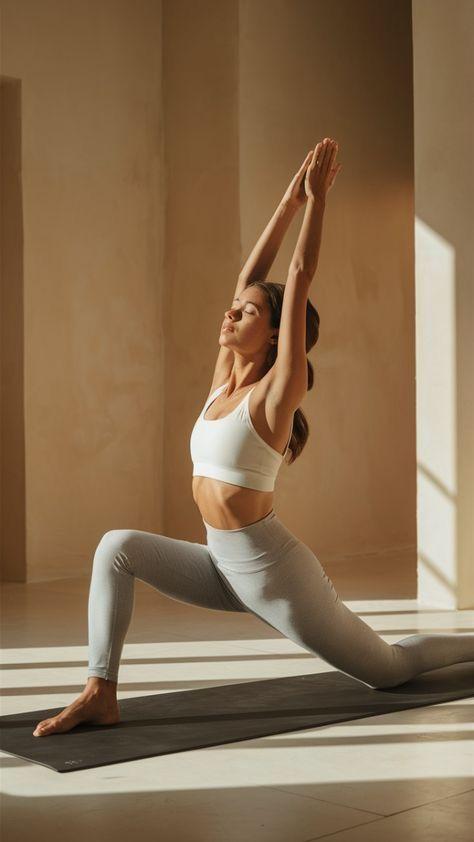
Backbend asanas are poses where the spine is extended or arched backward against gravity, opening the front body and strengthening the back body. They range from gentle prone backbends like Bhujangasana (Cobra) to deep, gravity-defying poses like Urdhva Dhanurasana (Upward Bow). Backbends are considered energizing and uplifting — they stimulate the sympathetic nervous system, increase heart rate, and promote feelings of openness and vitality.
Why Practice Backbend Asanas?
Modern lifestyles dominated by sitting, screen use, and forward-reaching activities create a posture of chronic spinal flexion. Backbends directly counteract this by extending the spine, opening the chest and shoulders, and strengthening the erector spinae muscles. They improve respiratory function by expanding the rib cage and intercostal spaces, allowing for deeper, fuller breaths. Emotionally, backbends are associated with opening the heart center and releasing stored tension in the chest and shoulders.
Benefits of Backbend Asanas
Improves Spinal Mobility
Backbends take the spine through extension, counteracting the flexion bias of daily life and maintaining healthy disc function.
Opens the Chest & Shoulders
Backbends stretch the pectoral muscles and anterior shoulders, improving posture and respiratory capacity.
Strengthens the Back Body
The erector spinae, glutes, and hamstrings engage actively in backbends, building strength along the entire posterior chain.
Boosts Energy & Mood
Backbends stimulate the sympathetic nervous system and adrenal glands, creating feelings of alertness, courage, and emotional uplift.
Improves Respiratory Function
By expanding the rib cage and intercostal spaces, backbends allow for deeper, more efficient breathing.
Explore All *Asanas*
Who Should Practice Backbend Asanas
Desk Workers & Tech Professionals
Backbends counteract the rounded shoulders and forward head posture developed from prolonged computer use and screen time.
People with Poor Posture
Backbends strengthen the muscles needed for upright posture and stretch the chest muscles that pull the shoulders forward.
Those Feeling Low Energy or Depression
The uplifting, energizing quality of backbends can help shift mood and combat feelings of lethargy and low motivation.
Runners & Cyclists
These activities tighten the hip flexors and round the upper back — backbends open the front body and restore spinal balance.
Yoga Practitioners Preparing for Deep Poses
Backbends build the spinal mobility needed for advanced poses like Urdhva Dhanurasana, Kapotasana, and dropbacks.
Safety Tips for Backbend Asanas
Always warm up the spine with gentle movements before attempting backbends — cat-cow stretches and gentle side bends prepare the vertebrae.
Lengthen through the tailbone and avoid compressing the lower back — initiate backbends from the upper back, not just the lumbar spine.
Keep the neck as a natural extension of the spine — avoid collapsing or jamming the cervical vertebrae in deep backbends.
Engage the glutes and legs actively — strong legs protect the lower back in standing and prone backbends.
Do not practice deep backbends on a full stomach or if you have uncontrolled high blood pressure or serious spinal conditions.
Counter backbends with gentle forward folds to neutralize the spine and prevent overextension soreness.
Explore Related Categories
Frequently Asked Questions
Keep Exploring This Topic
Jump Back Into What Matters
Ready to Practice These Asanas?
Your first class is free. Talk to Gayatri and get personalized guidance for your practice.