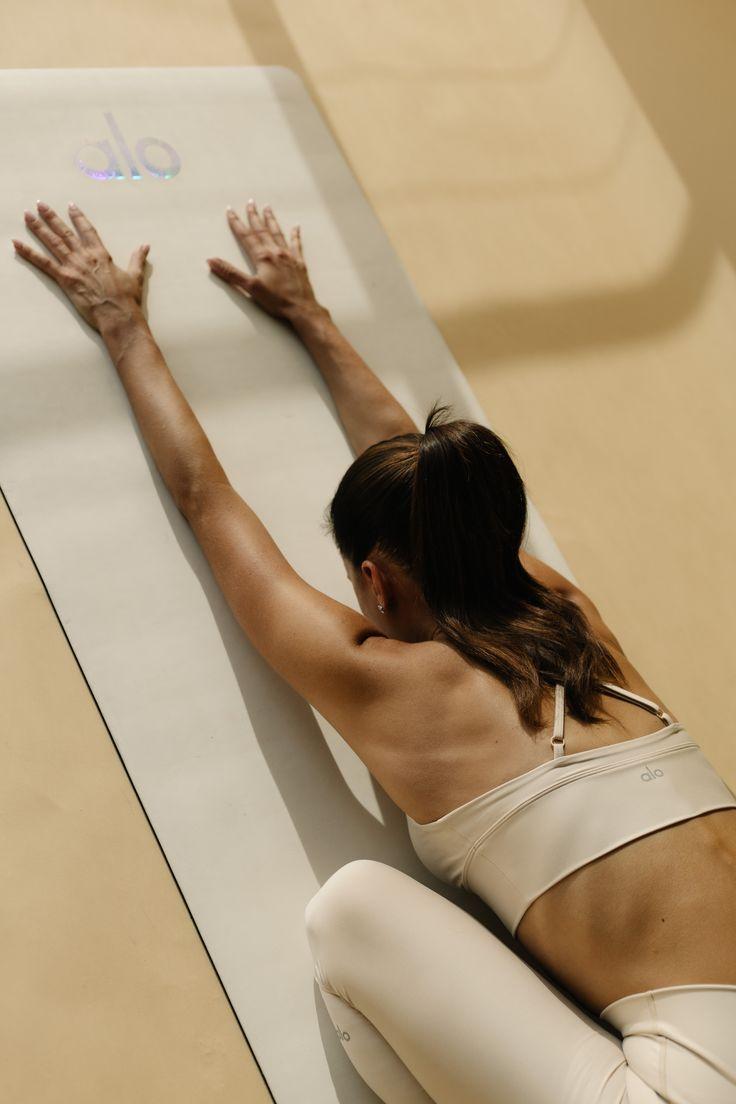
Salabhasana — Locust Pose
Salabhasana is a prone backbend where the practitioner lifts the legs, chest, and arms off the floor simultaneously, engaging the entire posterior chain. This beginner-friendly pose builds back strength, improves posture, and prepares the body for deeper backbends like Dhanurasana.
Quick Overview
Salabhasana is a foundational prone backbend that targets the entire posterior chain — the muscles along the back of the body from the neck to the heels. Unlike Bhujangasana which primarily works the upper back, Locust Pose engages the lower back, glutes, hamstrings, and shoulders simultaneously. The pose is deceptively simple in appearance but demands significant muscular endurance. It is one of the best poses for building the back strength needed for all deeper backbends.
Benefits of Salabhasana
Strengthens the Entire Back Body
The simultaneous lift of the legs, chest, and arms engages the spinal extensors, glutes, hamstrings, and shoulder muscles in a single integrated movement.
Improves Posture
Strengthening the muscles that extend the spine directly counteracts the forward-curled posture of desk work and screen use.
Supports Lower Back Health
Building strength in the erector spinae and multifidus muscles provides better support for the lumbar spine in daily activities.
Prepares for Deeper Backbends
Salabhasana develops the back body strength and awareness needed for intermediate and advanced backbends like Dhanurasana and Ustrasana.
Stimulates Abdominal Organs
The gentle compression of the abdomen as the legs lift is believed to support digestive function.
Body Focus
Dynamic strengthening through the entire length of the spine
Engaged to lift and hold the legs off the floor
Focused strengthening of the lumbar extensor muscles
The lift of the arms engages the rhomboids and posterior deltoids
Mild compression and stretch as the legs lift
Who Should Practice Salabhasana
Yoga Beginners
Salabhasana is one of the safest backbends to learn and provides essential back strength for all other poses.
Desk Workers & Tech Professionals
The pose directly strengthens the back muscles weakened by prolonged sitting and counteracts forward-rounded posture.
Runners & Athletes
Posterior chain strength is essential for running, jumping, and athletic performance — Salabhasana targets these exact muscles.
Those Preparing for Deeper Backbends
Building back strength with Salabhasana is the safest way to prepare for intermediate and advanced backbends.
Who Should Avoid Salabhasana
The extension of the spine may compress posterior discs further. Practice gentle Cat-Cow instead and consult a healthcare provider.
Lifting the legs may aggravate sciatic nerve irritation. Keep the legs on the floor and practice Bhujangasana instead.
Lying prone may be uncomfortable in later pregnancy. Practice a supported version or choose supine backbends instead.
Preparation Tips
Place a folded blanket under the hips for cushioning if lying on a hard surface
Start by lifting only the legs or only the chest before attempting the full lift of both simultaneously
Keep the arms extended alongside the body or forward — choose whichever feels more accessible for your shoulder and neck comfort
Engage the glutes and press the pubic bone into the floor before lifting to protect the lower back
Step-by-Step Instructions
Lie face down on the mat
Extend both legs straight back with the feet hip-width apart. Place the arms alongside the body with palms facing down, or extend them forward overhead.
Press the pubic bone into the floor
Engage the glutes and press the pubic bone firmly into the mat. This stabilizes the pelvis and protects the lower back.
Inhale and lift the chest
Lift the head, chest, and arms off the floor using the back muscles. Keep the neck as a natural extension of the spine.
Lift the legs simultaneously
Engage the glutes and hamstrings to lift both legs off the floor. Keep the legs straight and the feet together or hip-width apart.
Reach actively through the arms
If arms are alongside the body, reach them toward the feet. If overhead, reach them forward. Keep the shoulders away from the ears.
Balance on the lower abdomen
The weight should rest on the lower abdomen and ribs. Avoid rolling onto one side.
Hold and breathe
Stay for 3–5 breaths. With each exhale, lift the chest and legs a little higher. To release, exhale and lower everything to the floor.
Breathing Guidance
Inhale to lift into the pose, using the expansion of the back to initiate the spinal extension. While holding, breathe steadily into the back body — the movement of the ribs against the floor can serve as a tactile guide for your breath. Exhale to lower down. The backbend should feel strengthening, not suffocating — if you cannot breathe comfortably, lower the lift slightly.
Common Mistakes
Lifting only the chest or only the legs
Correction: The full benefit comes from lifting both simultaneously. Practice coordinating the lift of the upper and lower body together.
Turning the head to the side during the hold
Correction: Keep the gaze forward and the neck in line with the spine. Turning the head can strain the cervical spine under load.
Bending the knees during the leg lift
Correction: Keep the legs straight and actively reaching through the toes. Bent knees reduce hamstring engagement.
Holding the breath
Correction: The effort of the lift can trigger breath-holding. Consciously maintain slow, even breathing throughout the hold.
Safety Precautions
Avoid dropping the head back or craning it forward. The neck should remain a natural extension of the spine with the gaze toward the floor ahead.
Without glute engagement, the lower back takes the entire load of the leg lift. Squeeze the glutes as you lift.
The height of the lift matters less than the quality of the engagement. A low lift with active muscles is more beneficial than a high lift with a compressed back.
Variations & Modifications
Single Leg Locust (Ardha Salabhasana)
BeginnerLift only one leg at a time while keeping the other leg and the chest on the floor — reduces intensity while building familiarity.
Salabhasana with Arms Forward
BeginnerExtend the arms forward overhead instead of alongside the body — changes the shoulder engagement and may be more accessible for some.
Full Salabhasana (Arms Alongside)
BeginnerKeep the arms alongside the body with palms facing down and use them to assist the lift by pressing lightly into the floor.
Related Asanas
Explore Related Categories
Frequently Asked Questions
Keep Exploring This Topic
Jump Back Into What Matters
Master Locust Pose with Personal Guidance
Your first class is free. Talk to Gayatri and get personalized alignment cues for your practice.