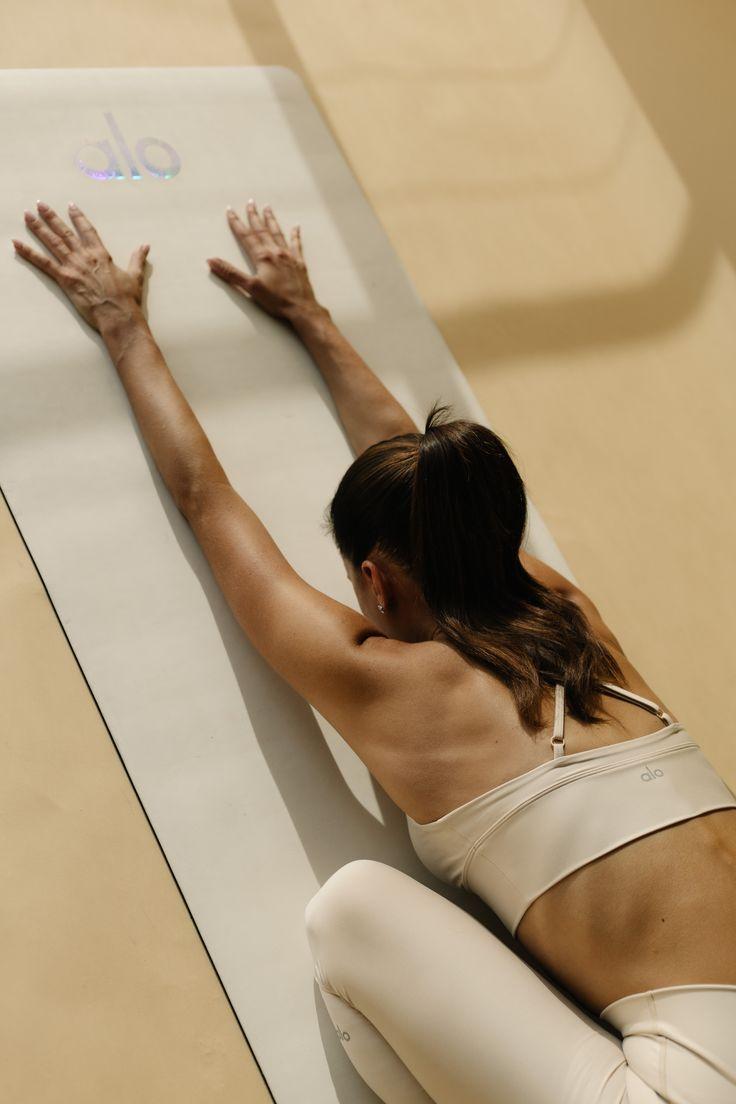
Chakrasana — Wheel Pose
Chakrasana is the deepest of the basic backbends — a full spinal extension where the practitioner pushes up onto the hands and feet from a supine position, forming an arch resembling a wheel. This advanced pose requires significant spinal mobility, shoulder flexibility, and full-body strength.
Quick Overview
Chakrasana — also known as Urdhva Dhanurasana (Upward Bow Pose) — is the quintessential deep backbend in yoga. From a supine position, the practitioner places the hands beside the ears and pushes up, lifting the entire body into a graceful arch supported only by the hands and feet. The pose requires coordinated mobility in the shoulders, spine, and hips, along with strength in the arms, legs, and core. Chakrasana is both a physical achievement and an energetic heart-opener, traditionally associated with the Anahata chakra.
Benefits of Chakrasana
Develops Full Spinal Mobility
The deep extension takes the spine through its maximum range of motion, maintaining healthy disc function and vertebral articulation.
Strengthens the Entire Body
The push-up action engages the arms, shoulders, legs, glutes, and core simultaneously, building functional full-body strength.
Opens the Chest & Shoulders
The full extension stretches the pectoral muscles, intercostals, and shoulder flexors to their maximum length.
Improves Hip Flexor Flexibility
The extension of the hips stretches the psoas and rectus femoris, counteracting the shortening effects of prolonged sitting.
Boosts Energy & Mood
The heart-opening quality and physical challenge of Chakrasana can create a powerful sense of accomplishment and vitality.
Body Focus
Maximum extension through the cervical, thoracic, and lumbar regions
Deep opening stretch through the anterior shoulders and chest
Stretched as the hips extend and the pelvis tilts anteriorly
Powerful engagement to support the weight of the body in the arch
Strength developed through weight-bearing in the extended position
Who Should Practice Chakrasana
Advanced Yoga Practitioners
Chakrasana requires significant spinal mobility, shoulder flexibility, and full-body strength developed through consistent intermediate backbend practice.
Those with Good Spinal Mobility
Practitioners who have developed comfortable extension through Bhujangasana, Ustrasana, and Setu Bandhasana are ready to explore Wheel Pose.
Individuals with Strong Upper Bodies
The arm and shoulder strength to push up and hold the position is essential — those with limited upper body strength should build it through preparatory poses.
Heart-Opening Enthusiasts
Those seeking the maximum heart-opening experience in yoga will find Chakrasana the deepest expression of chest and emotional expansion.
Who Should Avoid Chakrasana
Herniated discs, spondylolisthesis, or spinal stenosis can be aggravated by deep backbending. Consult a healthcare provider before attempting.
The full weight of the body rests on the hands in a maximally extended wrist position. Wrist issues may be severely aggravated.
The inverted position of the head below the heart combined with the physical exertion can significantly increase blood pressure.
Preparation Tips
Warm up thoroughly with a full sequence of gentler backbends — Bhujangasana, Salabhasana, Setu Bandhasana, and Ustrasana
Practice Setu Bandhasana first to warm up the spine and shoulders before attempting the full Wheel Pose
Place the hands firmly with fingers pointing toward the shoulders and elbows pointing toward the ceiling
Use a wall or have a spotter nearby when first learning the pose to assist with the lift
Step-by-Step Instructions
Lie on your back with knees bent
Place the feet flat on the floor close to the sitting bones, hip-width apart. The arms rest alongside the body.
Place the hands beside the ears
Bend the elbows and place the palms flat on the floor beside the ears, fingertips pointing toward the shoulders. Elbows point toward the ceiling.
Press the feet and hands into the floor
On an exhale, press firmly through all four corners of both feet and both hands to initiate the lift.
Lift the hips and head off the floor
Gently press up to rest the crown of the head on the floor. This is the preparatory head-supported position.
Straighten the arms fully
On an inhale, press the hands into the floor and straighten the arms, lifting the head off the floor. The gaze drops to the floor between the hands.
Engage the legs and glutes
Press the thighs and feet together actively. The engagement of the legs protects the lower back and supports the arch.
Lengthen through the spine
Reach the chest away from the pelvis and the pelvis away from the chest, creating length in the spine. Avoid compressing the lower back.
Hold and breathe
Stay for 3–5 breaths. To release, bend the elbows and lower the head to the floor, then slowly roll the spine down to the mat.
Breathing Guidance
In Chakrasana, the chest is in maximum expansion, which can make the breath feel both open and challenged. Inhale into the upper back and rib cage, feeling the intercostal spaces widen. Exhale through the mouth or nose with a steady, controlled flow. The physical exertion of the pose may naturally quicken the breath — this is normal, but the breath should remain smooth and not panicked. If breathing becomes strained, lower to the head-supported position or come down entirely.
Common Mistakes
Letting the feet splay outward
Correction: Keep the feet parallel and hip-width apart. Splayed feet reduce the stability of the base and strain the knees.
Turning the head to look around
Correction: Keep the gaze directed toward the floor between the hands. Turning the head can strain the cervical spine.
Compressing the lower back
Correction: Lengthen through the tailbone and engage the glutes to distribute the arch through the entire spine, not just the lumbar region.
Pushing up without enough shoulder warm-up
Correction: Insufficient shoulder mobility can lead to injury. Always practice shoulder-opening poses like Gomukhasana arms before attempting Wheel Pose.
Safety Precautions
Practice at least 15-20 minutes of gentle to intermediate backbends before attempting Chakrasana to ensure the spine and shoulders are fully prepared.
Do not drop the head back or look around — keep the gaze fixed on the floor between the hands to protect the cervical spine.
Hands and feet can slide in Wheel Pose. Use a sticky yoga mat and ensure palms are dry to maintain a stable base.
Variations & Modifications
Head-Supported Wheel
IntermediateLift only to the crown of the head while keeping the forearms on the floor — a preparatory version that builds confidence and spinal awareness.
Wall Wheel Pose
IntermediatePlace the hands against a wall at about hip height and walk the feet back to create a supported standing backbend.
Eka Pada Chakrasana (One-Legged Wheel)
AdvancedFrom full Wheel Pose, lift one foot off the floor and extend the leg toward the ceiling for an advanced balance variation.
Related Asanas
Explore Related Categories
Frequently Asked Questions
Keep Exploring This Topic
Jump Back Into What Matters
Master Wheel Pose with Personal Guidance
Your first class is free. Talk to Gayatri and get personalized alignment cues for your practice.