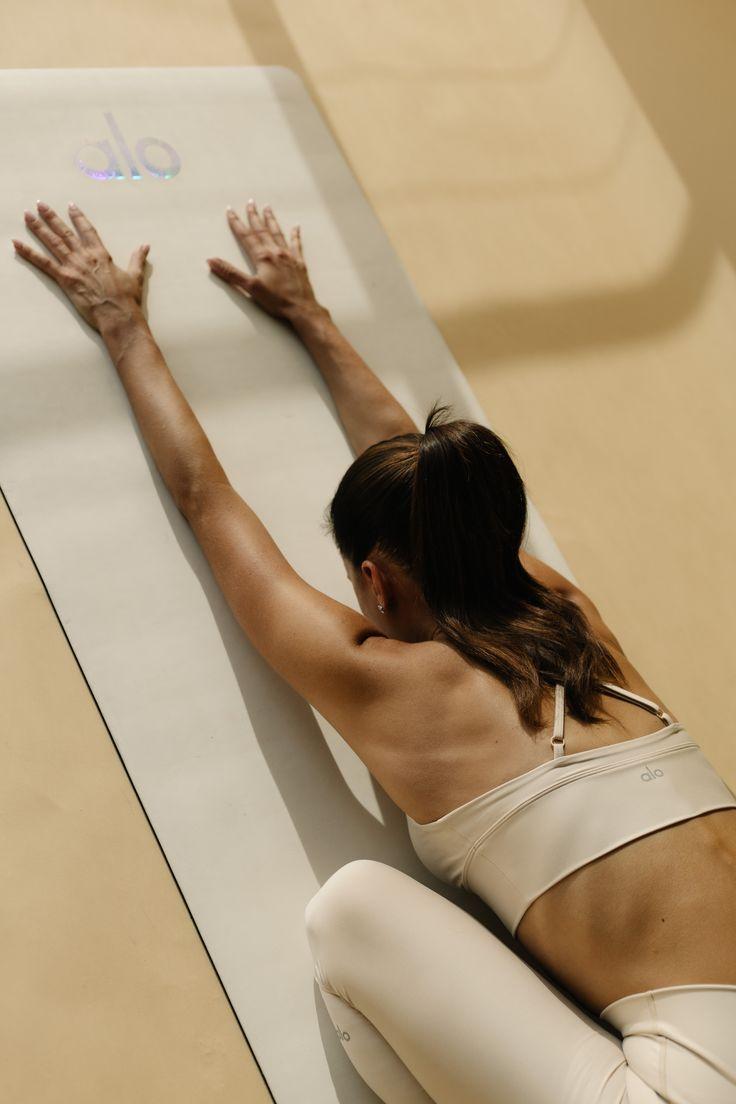
Kurmasana — Tortoise Pose
Kurmasana is an advanced seated forward bend that requires exceptional flexibility in the hips, hamstrings, and spine. The pose mimics a tortoise retracting into its shell — the arms slide under the legs as the torso folds forward, creating a deeply introspective shape that embodies the yogic principle of turning the senses inward.
Quick Overview
Kurmasana is a deep, forward-folding asana that demands advanced levels of hip mobility, hamstring flexibility, and spinal release. The pose requires the practitioner to slide the arms under the bent knees while the torso folds forward, creating a shape reminiscent of a tortoise withdrawing into its shell. Kurmasana is both physically intense and mentally introspective — the enclosed shape naturally draws the attention inward, aligning with Pratyahara, the yogic principle of sense withdrawal.
Benefits of Kurmasana
Deep Hip & Groin Opening
The wide-legged forward fold creates an intense stretch through the hip joints, groin, and inner thighs, requiring and building significant flexibility.
Stretches the Hamstrings Intensely
The extended legs in the full expression place a deep stretch on the hamstring muscles along the entire back of the legs.
Lengthens the Lower Back
The forward fold decompresses the lumbar spine and encourages release of chronic tension in the lower back muscles.
Encourages Introspection
The enclosed shape of the pose naturally draws the senses inward, supporting the practice of Pratyahara and mental calm.
Develops Patience & Persistence
Kurmasana requires consistent practice over time — it teaches the value of gradual progress and respecting the body's current limits.
Body Focus
Deep opening through external rotation and wide abduction of the hips
Intense stretch along the entire length of the back of the thighs
Thoracic and lumbar lengthening as the torso folds forward
The arms sliding under the knees stretch the shoulders and upper back muscles
The wide leg position provides a deep stretch to the adductor muscles
Who Should Practice Kurmasana
Advanced Yoga Practitioners
Kurmasana is best suited for those with an established practice and significant flexibility in the hips, hamstrings, and spine.
Those Preparing for Deep Hip Opening
Practitioners working toward advanced poses like Supta Kurmasana or deep hip openers benefit from building flexibility with this pose.
Students of Pratyahara
Those exploring the yogic path of sense withdrawal may find Kurmasana a helpful physical counterpart to the internal practice.
Practitioners with Good Body Awareness
The ability to sense and respect subtle physical limits is essential for practicing Kurmasana safely.
Who Should Avoid Kurmasana
The extreme external rotation and abduction of the hips may aggravate existing hip labral tears, groin strains, or other hip pathologies.
The deep forward fold may increase pressure on spinal discs and aggravate nerve root compression. Avoid or practice with extreme caution.
The combination of wide legs and forward folding can stress the sacroiliac joints. Only practice under professional supervision.
Preparation Tips
Warm up thoroughly with gentle hip openers such as Baddha Konasana, Supta Baddha Konasana, and gentle seated forward folds before attempting Kurmasana
Practice the preparatory pose Ardha Kurmasana (Half Tortoise Pose) to build familiarity with the arm-under-legs position
Use a blanket under the hips to tilt the pelvis forward and make the forward fold more accessible
Never force the arms under the legs — this should happen naturally as hip flexibility increases over time
Step-by-Step Instructions
Sit in Dandasana
Begin seated with both legs extended forward. Sit on a blanket if needed to elevate the hips.
Widen the legs
Separate the legs to a comfortable width — slightly wider than hip distance. Keep the feet flexed actively.
Bend the knees slightly
Softly bend both knees to create space for the arms to slide under. The knees should point toward the ceiling.
Hinge forward and slide the arms under
Fold forward from the hips and slide the arms under the knees, palms facing down. The arms extend out to the sides under the legs.
Rest the torso on the floor
Gradually lower the torso toward the floor between the legs. The forehead or chin may rest on the floor in the full expression.
Extend the legs gradually
Working within your flexibility, begin to straighten the legs. The arms stay under the knees as the legs extend forward.
Release the shoulders
Allow the shoulders to relax and release toward the floor. The arms slide further under the legs as the torso deepens the fold.
Hold and breathe
Stay for 5–8 slow breaths. To release, bend the knees, slide the arms out, and gently lift the torso upright with an inhale.
Breathing Guidance
Breathe slowly and deliberately in Kurmasana. The enclosed position naturally restricts the movement of the rib cage, so focus on breathing into the back body and lower abdomen. Each exhale may allow a subtle release deeper into the forward fold. If the breath becomes strained or short, you have gone too deep — ease back slightly until comfortable breathing is restored.
Common Mistakes
Forcing the arms under the legs
Correction: The arms should slide under the knees naturally as hip flexibility increases. Forcing this position can strain the shoulders and hips.
Rounding the spine excessively
Correction: Maintain as much length in the spine as possible even in the deep fold. Hinge from the hips, not the waist.
Locking the knees
Correction: Keep a gentle bend in the knees to protect the hamstring attachments and allow the legs to actively engage.
Holding the breath due to intensity
Correction: If the breath becomes shallow or stops, the pose is too intense. Reduce the depth of the fold until steady breathing returns.
Safety Precautions
Kurmasana is an advanced asana that should be learned under the supervision of a qualified teacher, especially to avoid hip and spinal injuries.
Never force the forward fold or the arm position. Flexibility gains from this pose come from consistent, patient practice — not from forcing.
A blanket under the hips, pillows under the torso, and straps for the feet can all help you experience the pose safely at your current level.
Variations & Modifications
Ardha Kurmasana (Half Tortoise Pose)
IntermediateA preparatory version where the legs remain bent and the arms slide partially under the knees, with the torso resting on a bolster.
Supported Kurmasana
IntermediatePlace a folded blanket or bolster under the torso to reduce the depth of the forward fold while still experiencing the arm-under-legs sensation.
Supta Kurmasana (Sleeping Tortoise Pose)
AdvancedThe deeper expression where the feet cross behind the head after the arms are under the legs — an advanced variation for highly flexible practitioners.
Related Asanas
Explore Related Categories
Frequently Asked Questions
Keep Exploring This Topic
Jump Back Into What Matters
Master Tortoise Pose with Personal Guidance
Your first class is free. Talk to Gayatri and get personalized alignment cues for your practice.