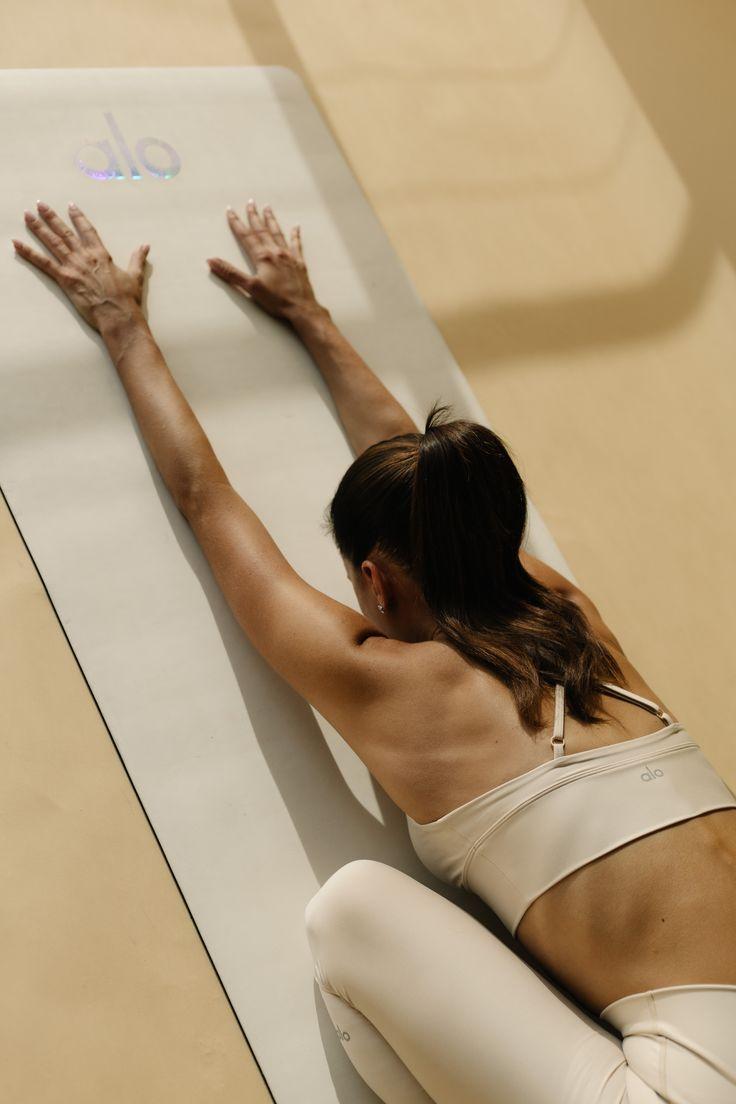
Dhanurasana — Bow Pose
Dhanurasana is a prone backbend where the practitioner holds the ankles and lifts the thighs and chest simultaneously, creating a bow-like shape with the body. This intermediate pose combines backbending with a deep quadriceps stretch, requiring coordination, spinal flexibility, and core strength.
Quick Overview
Dhanurasana is named for the bow-like shape the body assumes — the arms form the bowstring while the torso and legs create the arc of the bow. Unlike other prone backbends like Bhujangasana, Dhanurasana requires simultaneous lifting of both the upper and lower body, creating a more intense spinal extension and a powerful quadriceps stretch. The pose demands coordination between the arms, legs, and back muscles, making it a key intermediate backbend that builds toward deeper poses like Chakrasana.
Benefits of Dhanurasana
Stretches the Entire Front Body
The simultaneous lift of the chest and thighs stretches the abdomen, hip flexors, quadriceps, and chest in a single integrated movement.
Strengthens the Back Muscles
The spinal extensors, glutes, and hamstrings engage powerfully to lift and hold the weight of the limbs against gravity.
Improves Spinal Flexibility
Dhanurasana takes the spine through a deep, even extension that maintains healthy disc function and vertebral mobility.
Opens the Chest & Shoulders
The backward reach of the arms and the lift of the sternum stretch the pectoral muscles and anterior shoulder structures.
Stimulates Abdominal Organs
The compression and release of the abdomen during the pose is believed to stimulate digestive organs and improve gut function.
Body Focus
Powerful engagement to lift and hold the chest and thighs off the floor
Deep stretch as the knees lift and the thighs extend backward
Stretched as the hips extend and the front body opens
Opened as the shoulders roll back and the sternum lifts
Compressed and stretched, potentially supporting digestive health
Who Should Practice Dhanurasana
Intermediate Yoga Students
Those comfortable with Bhujangasana and Salabhasana will find Dhanurasana a natural progression in their backbend practice.
Athletes with Tight Quadriceps
Cyclists, runners, and soccer players often develop tight quadriceps — Bow Pose provides a deep, targeted stretch to the front thighs.
Individuals with Rounded Upper Back
The chest-opening and shoulder-retracting action of Dhanurasana counteracts forward-rounded shoulder posture.
Practitioners Building Toward Deep Backbends
Dhanurasana builds the spinal flexibility and back strength needed for advanced poses like Urdhva Dhanurasana.
Who Should Avoid Dhanurasana
The deep spinal extension may compress posterior discs or aggravate sciatic nerve irritation. Practice Bhujangasana or Salabhasana instead.
The position of the head in Bow Pose may strain the cervical spine. Keep the gaze forward and avoid dropping the head back.
The deep stretch across the abdomen may strain surgical sites or exacerbate hernias. Avoid until fully healed.
Preparation Tips
Warm up with Cat-Cow, Bhujangasana, and Salabhasana to prepare the spine for deeper extension
Practice with a folded blanket under the hips to reduce pressure on the hip bones
Focus on lifting the thighs first — the chest lift follows naturally when the legs are engaged
Use a yoga strap around the ankles if you cannot comfortably reach them with your hands
Step-by-Step Instructions
Lie face down on the mat
Extend both legs straight back with the feet hip-width apart. Rest the arms alongside the body with palms facing up.
Bend the knees and reach for the ankles
Bend both knees, bringing the heels toward the glutes. Reach back with both hands and grasp the outer ankles firmly.
Inhale and lift the thighs
Press the feet into the hands and lift the thighs off the floor. The engagement of the legs initiates the backbend.
Lift the chest simultaneously
Using the grip on the ankles, lift the chest and head off the floor. The arms form the bowstring as they pull the legs upward.
Keep the gaze forward
Look forward rather than up to maintain length in the cervical spine. Avoid dropping the head back.
Balance on the abdomen
Rock gently onto the center of the abdomen, distributing weight evenly. The pubic bone should remain in contact with the floor.
Hold and breathe
Stay for 3–5 breaths. With each exhale, lift the chest and thighs slightly higher. To release, exhale and slowly lower the legs and chest to the floor.
Breathing Guidance
Dhanurasana compresses the abdomen, which can make deep breathing feel challenging. Focus on breathing into the back body — expand the rib cage posteriorly with each inhale. The exhale can be used to lift the chest and thighs slightly higher. If the breath becomes short or strained, lower the intensity of the lift until comfortable breathing resumes. Maintaining steady breath is more important than achieving maximum height.
Common Mistakes
Pulling the legs with the arms instead of lifting the thighs
Correction: The lift should come from the legs and back muscles — the arms simply maintain the connection. Press the feet into the hands actively.
Dropping the head back into the neck
Correction: Keep the gaze forward with the neck as a natural extension of the spine. Dropping the head back compresses the cervical vertebrae.
Holding the breath due to abdominal compression
Correction: Focus on breathing into the back body. If the breath becomes labored, lower the lift slightly until you can breathe comfortably.
Allowing the knees to splay wide apart
Correction: Keep the knees hip-width apart and parallel throughout the pose. Splaying the knees reduces the quadriceps stretch and compromises alignment.
Safety Precautions
Wide knees reduce the effectiveness of the pose and may strain the sacroiliac joints. Maintain parallel knees throughout.
Move slowly and deliberately into the lift. Bouncing or jerking can strain the lower back and hamstring attachments.
If you cannot reach the ankles comfortably, use a yoga strap around the feet or practice with only one leg at a time.
Variations & Modifications
Half Bow (Ardha Dhanurasana)
BeginnerHold only one ankle at a time while keeping the other leg extended on the floor — reduces intensity while building familiarity.
Bow Pose with a Strap
IntermediateLoop a yoga strap around the ankles and hold the ends of the strap with both hands to bridge the gap if you cannot reach the ankles.
Parsva Dhanurasana (Side Bow)
AdvancedFrom Bow Pose, rock onto one side while maintaining the hold, adding a lateral opening to the backbend.
Related Asanas
Explore Related Categories
Frequently Asked Questions
Keep Exploring This Topic
Jump Back Into What Matters
Master Bow Pose with Personal Guidance
Your first class is free. Talk to Gayatri and get personalized alignment cues for your practice.