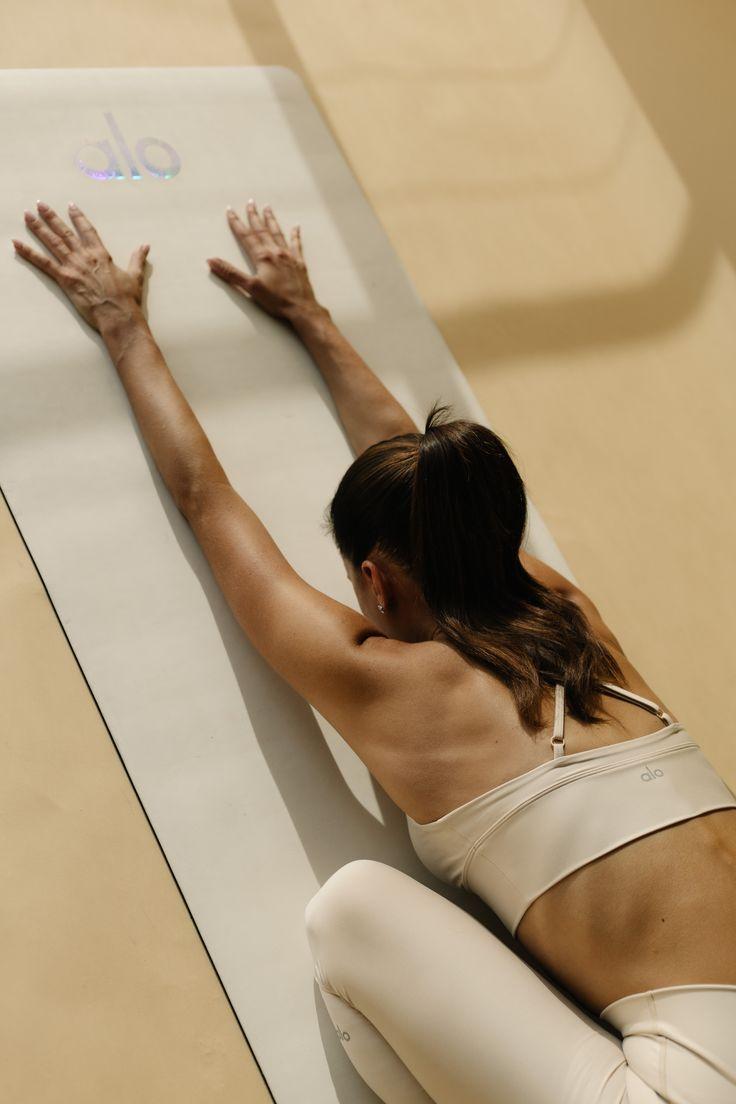
Yoga for Reduced Lung Capacity
Whether from ageing, a respiratory illness, or a sedentary lifestyle, reduced lung capacity can leave you breathless with little effort. Explore breath training and gentle poses that may support stronger, more efficient breathing.
Train the Breath, Regain Ease
Your lungs work on a use-it-or-lose-it principle — gentle, consistent demand keeps them flexible and efficient. Yoga's slow breathing practices and chest-opening poses may support your diaphragm, improve breath efficiency, and help you feel less breathless during everyday activity.
Understanding Lung Capacity
Lung capacity is the total volume of air your lungs can hold, while breath efficiency is how easily you use it. Illness, age, smoking, or inactivity can reduce both, leaving you feeling winded after stairs or light exertion. Yoga may help by training the diaphragm, improving chest mobility, and encouraging fuller, slower breathing habits.
Ways Yoga May Support You
Strengthens the Diaphragm
Slow, deep breathing exercises the diaphragm — the main muscle of breathing. A stronger diaphragm supports fuller breaths with less effort.
Improves Chest Mobility
Chest-opening and back-strengthening poses may help the ribcage move more freely, letting each breath expand more completely.
Builds Breath Efficiency
Practicing longer, slower exhalations helps empty stale air from the lungs, making room for a fuller next inhale.
Calms Effortful Breathing
Breathlessness often brings anxiety, which makes breathing faster and shallower. Meditation and slow breathing may help break that cycle.
Recommended Asanas
Recommended Pranayama
Lifestyle Suggestions
Quit or Avoid Smoking
If you smoke, quitting is the single most supportive step for lung health, alongside seeking help from a healthcare professional.
Move Throughout the Day
Regular walking and gentle activity keep the lungs and heart working efficiently between your yoga sessions.
Breathe Through Your Nose
Nasal breathing filters, warms, and slows the airflow, encouraging the calm, full breaths you train in practice.
Improve Your Indoor Air
Ventilate your home, avoid smoke and strong chemicals, and consider houseplants or an air purifier for cleaner breathing spaces.
Practice Precautions
Build breathwork gradually — never force a breath beyond comfort, and stop if you feel dizzy, lightheaded, or breathless.
Practice Bhastrika only under expert guidance and with a doctor's clearance, as forceful breathing may strain the lungs.
If you have a chronic respiratory condition, keep your medication close and check with your doctor before new breathing practices.
Practice in a well-ventilated space and rest between rounds of pranayama rather than rushing to increase the count.
When to Consult a Doctor
If you have a cough, wheeze, or breathlessness that does not improve, or are losing weight without trying — see a doctor before practicing.
If you experience sudden or worsening shortness of breath, chest pain, or bluish lips or fingers — seek urgent medical attention.
Remember, yoga complements but never replaces medical care; a breathing assessment or pulmonary rehab may be recommended alongside practice.
Frequently Asked Questions
Keep Exploring This Topic
Pair This With Other Practices
Jump Back Into What Matters
Begin a Personalised Practice for Your Wellness
Every body is unique. Your first class is free — talk to Gayatri and receive guidance tailored to your needs.