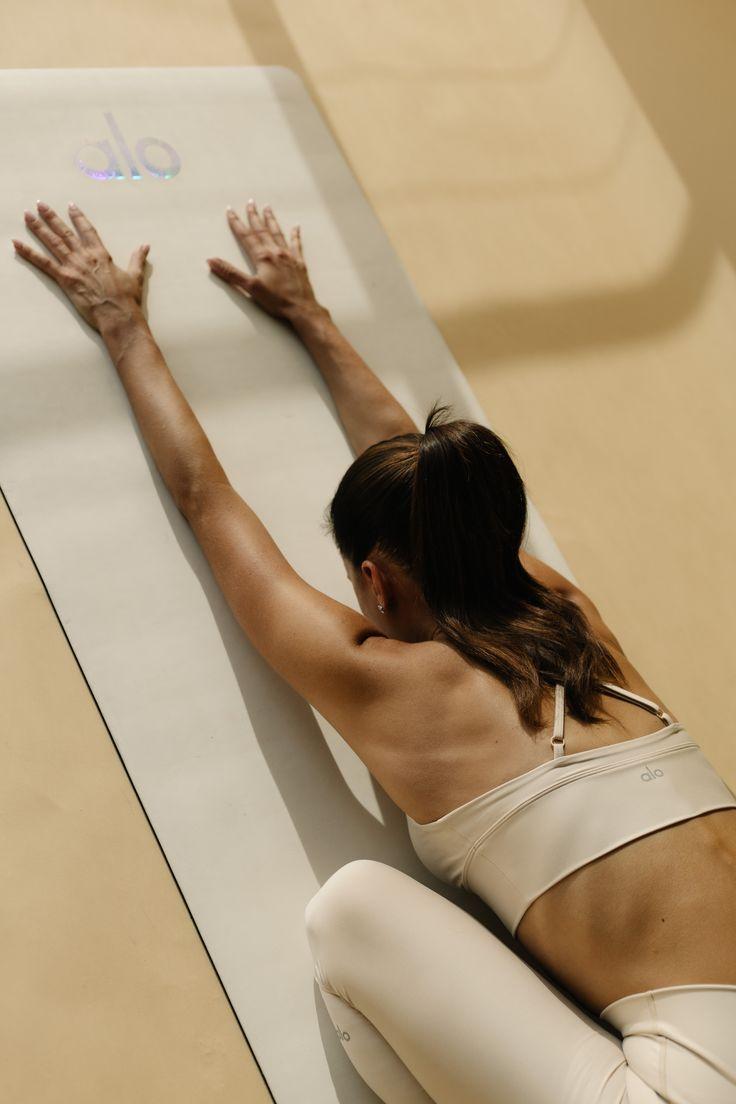
Parivrtta Janu Sirsasana — Revolved Head-to-Knee Pose
Parivrtta Janu Sirsasana combines a deep lateral stretch with spinal rotation, creating an asymmetrical posture that simultaneously opens the side body, stretches the hamstrings, and twists the spine. The name translates to revolved head-to-knee pose — one leg extends outward while the other bends, and the torso rotates to bring the opposite shoulder toward the extended knee.
Quick Overview
Parivrtta Janu Sirsasana is a seated posture that weaves together three movements: a forward fold, a lateral side bend, and a spinal twist. One leg extends out to the side while the other bends with the foot pressing into the inner thigh. The torso then reaches and rotates over the extended leg, with the opposite arm reaching toward the foot and the other arm sweeping overhead. This multi-dimensional asana requires and develops flexibility in the hamstrings, hips, spine, and shoulders simultaneously.
Benefits of Parivrtta Janu Sirsasana
Lengthens the Side Body
The lateral stretch component elongates the intercostal muscles, obliques, and latissimus dorsi on the side of the extended leg.
Stretches the Hamstrings
The extended leg receives a deep hamstring stretch similar to a seated forward fold but with the added dimension of lateral rotation.
Mobilises the Spine
The combination of side bending and rotation challenges the spine in multiple planes of motion, promoting overall spinal health.
Opens the Shoulders
The top arm sweeping overhead stretches the shoulder girdle and the side of the neck.
Improves Body Awareness
Coordinating lateral flexion, rotation, and leg extension in one pose trains the mind to manage complex, multi-dimensional movements.
Body Focus
Multi-planar movement combining lateral flexion and rotation
Deep stretch along the back of the extended leg
Elongation of the lateral musculature on one side, compression on the other
External rotation of the bent leg and flexion of the extended leg
Opening of the shoulder girdle on the overhead arm side
Who Should Practice Parivrtta Janu Sirsasana
Intermediate Yoga Students
Those comfortable with basic seated twists and forward bends will find this pose an engaging progression that combines multiple movement patterns.
Practitioners Seeking Spinal Mobility
The multi-planar movement is excellent for maintaining and improving spinal flexibility in rotation and lateral flexion.
Athletes in Lateral Sports
Tennis players, swimmers, and martial artists may benefit from the lateral stretch and rotational mobility this pose develops.
Anyone with Desk Posture Imbalances
Counteracting the forward-rounded, internally rotated posture of modern life, this pose opens the side body and encourages spinal awareness.
Who Should Avoid Parivrtta Janu Sirsasana
The combination of lateral bending and rotation may stress the sacroiliac joint or aggravate lumbar instability.
The extended leg hamstring stretch may be too intense for those with hamstring tears or tendinopathy. Keep the knee bent.
The side stretch may aggravate rib fractures or intercostal muscle strains. Practice a gentle version without the lateral bend.
Preparation Tips
Sit on a folded blanket to elevate the hips and support the pelvis in the lateral fold
Warm up the hamstrings with Paschimottanasana and the side body with gentle lateral stretches before attempting this pose
Keep the extended foot actively flexed throughout to protect the knee and deepen the hamstring stretch
Practice without the twist first — simply fold laterally over the extended leg before adding the rotational component
Step-by-Step Instructions
Sit with the left leg extended to the side
Sit with the left leg extended out to the left at about 90 degrees. Keep the left foot actively flexed. Bend the right knee and place the sole of the right foot against the inner left thigh.
Square the torso toward the left leg
Rotate the torso to face the extended left leg. Place the left hand on the floor beside the left hip for support.
Inhale and lengthen the spine
Lift through the crown of the head and open the chest. Keep both sitting bones grounded.
Exhale and reach the right arm overhead
Sweep the right arm up and over the head, reaching toward the left foot. The right arm follows the line of the right ear.
Bring the left hand to the left shin or foot
Reach the left hand toward the left leg — the shin, ankle, or foot depending on your flexibility. Keep the left shoulder relaxed.
Rotate the torso upward
From the lateral fold, rotate the chest toward the ceiling, opening the front body. The right arm continues to reach overhead.
Gaze under the right arm
Turn the gaze upward toward the ceiling or under the right armpit. Keep the neck long and the breath steady.
Hold and release
Stay for 5–8 breaths. To release, inhale to lift the torso upright. Exhale and extend both legs. Repeat on the other side.
Breathing Guidance
In Parivrtta Janu Sirsasana, the breath coordinates the complex movements. Inhale to lengthen and lift the torso, creating space for the twist. Exhale to deepen the lateral fold and rotate the chest. The side body compression on one side and expansion on the other means the breath will feel asymmetrical — breathe into the expanded side and soften into the compressed side with equal awareness.
Common Mistakes
Collapsing the lower back
Correction: Keep the spine long even in the lateral fold. Elevate the hips on a blanket to maintain the natural lumbar curve.
Forcing the head toward the knee
Correction: The name suggests head-to-knee, but the focus should be on the lateral twist, not touching the head to the knee. Keep the chest open.
Lifting the opposite sitting bone
Correction: Both sitting bones should stay grounded. If one lifts, reduce the lateral bend until both hips are stable.
Dropping the top arm too low
Correction: The top arm should stay close to the ear, actively reaching overhead. Dropping it forward reduces the side stretch.
Safety Precautions
Active flexion of the extended leg's foot protects the knee joint and engages the supporting muscles of the leg.
The gaze should follow the movement of the spine. Do not force the neck into an extreme rotation — keep it comfortable.
The combination of lateral bending and rotation can strain the lower back if entered too quickly. Move with the breath.
Variations & Modifications
Supported Parivrtta Janu Sirsasana
IntermediatePlace a bolster or folded blanket under the torso as it folds laterally, allowing a fully supported version that reduces muscular effort.
Parivrtta Janu Sirsasana with Strap
IntermediateLoop a yoga strap around the extended foot and hold it with both hands to maintain spinal length while deepening the stretch gradually.
Bent Knee Variation
BeginnerKeep the extended leg bent at the knee to reduce hamstring intensity and focus solely on the lateral twist component.
Related Asanas
Explore Related Categories
Frequently Asked Questions
Keep Exploring This Topic
Jump Back Into What Matters
Master Revolved Head-to-Knee Pose with Personal Guidance
Your first class is free. Talk to Gayatri and get personalized alignment cues for your practice.