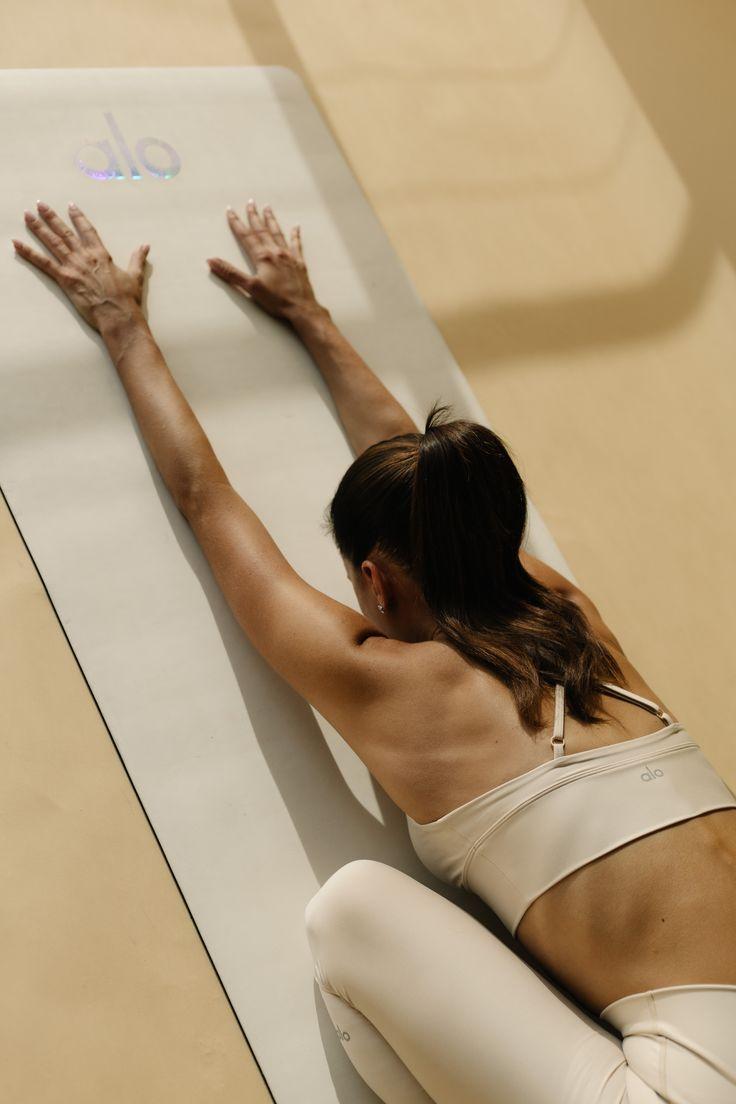
Yoga for Knee Pain & Osteoarthritis
Knee discomfort can make everyday movement feel daunting. A slow, supported yoga practice may help you strengthen the muscles around the knee and move with more ease.
A Gentle Path for Comfortable Knees
Knee pain and osteoarthritis are common as we age, yet movement often remains possible with the right support. This guide shares a low-impact approach where strengthening the thighs and maintaining healthy alignment are central. Every practice here is designed to respect your current range and build confidence step by step.
Understanding Knee Discomfort
The knee relies on surrounding muscles and clear alignment to move well. Osteoarthritis may cause stiffness and sensitivity, especially after rest. Yoga can support the joint by gently strengthening the thigh muscles and encouraging a stable, balanced position during movement.
Ways Yoga May Support You
Build Thigh Strength
Gentle standing poses may strengthen the quadriceps, which act as a cushion for the knee joint and may ease the load during daily activities.
Encourage Knee Tracking
Practising with the knee tracking over the toes may support healthy alignment and reduce unnecessary strain through the joint.
Improve Joint Lubrication
Slow, controlled movement may help synovial fluid move through the joint, supporting a sense of ease and fluidity over time.
Boost Confidence to Move
A supported practice may help you reconnect with safe movement, encouraging consistent, comfortable activity in daily life.
Knee-Friendly Asanas
Soothing Pranayama
Restorative Meditation
Daily Habits for Knee Ease
Warm Up Before Load
Move joints gently before stair climbing or long walks so the knees are prepared for everyday demands.
Move Slowly
Rise from chairs and enter poses at a relaxed pace, giving the knees time to adjust and settle.
Listen to Sharp Pain
Distinguish between gentle stretch and sharp pain; stop and ease off if the joint feels unsafe.
Keep a Balanced Routine
Alternate activity with rest, and include gentle strength work to support the knee throughout the week.
Practising with Care
Move slowly into and out of every pose, avoiding sudden or jerky movements through the knees.
Keep the knees tracking over the toes in standing poses, and reduce depth if alignment is lost.
Avoid deep knee bends or kneeling pressure if the joint feels hot, swollen, or sharply painful.
Use props such as a chair, wall, or rolled blanket for support whenever it helps you stay comfortable.
When to Consult a Doctor
If you have hot, swollen, or severely painful knees, seek medical advice before beginning yoga.
If you have had a knee replacement or recent injury, ask your doctor whether yoga practice is suitable.
If sharp pain or instability occurs during practice, stop and consult a healthcare professional.
Common Questions
इस विषय पर और जानें
स्वास्थ्य व कल्याण से संबंधित
इसे अन्य अभ्यासों के साथ जोड़ें
महत्वपूर्ण विषयों पर वापस जाएं
Begin a Personalised Practice for Your Wellness
Every body is unique. Your first class is free — talk to Gayatri and receive guidance tailored to your needs.