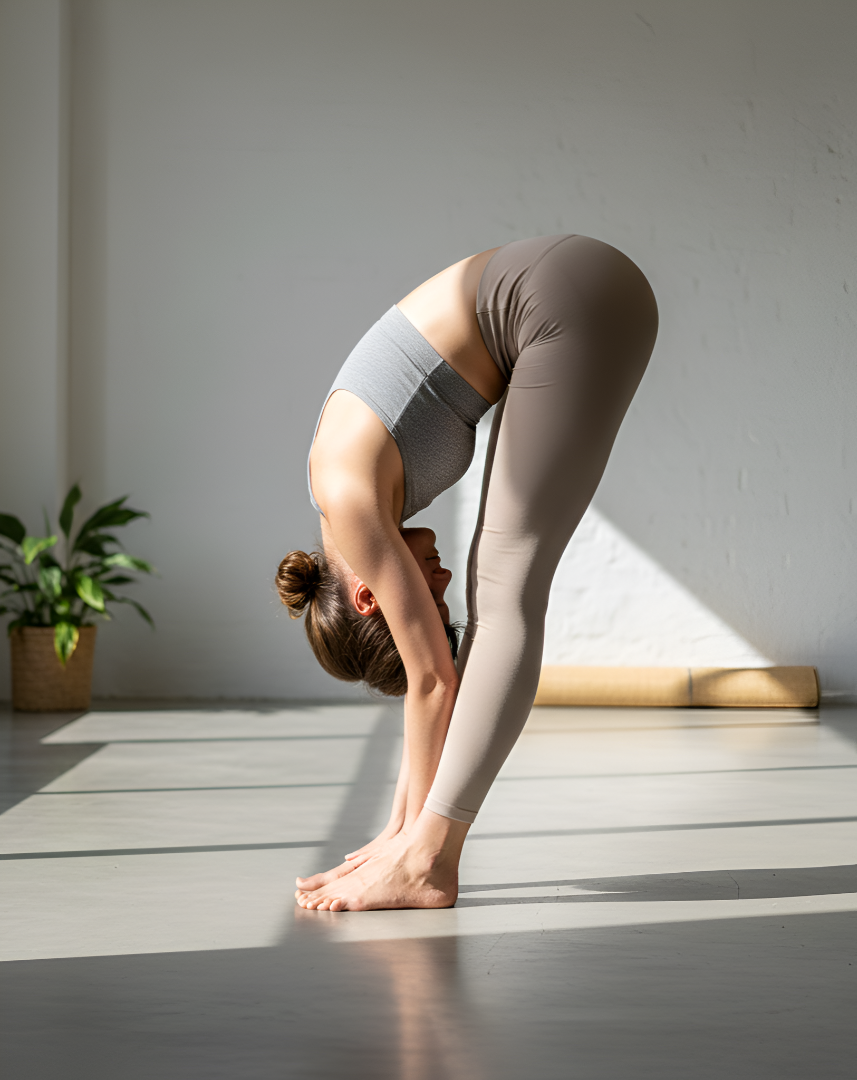
Yoga Types & Styles Explained
Not all yoga is the same. From the slow, meditative holds of Yin to the athletic intensity of Power Yoga, each style offers a unique pathway to wellness. Explore 15 major yoga types to find the practice that resonates with your body, temperament, and goals.
Explore All *Topics*
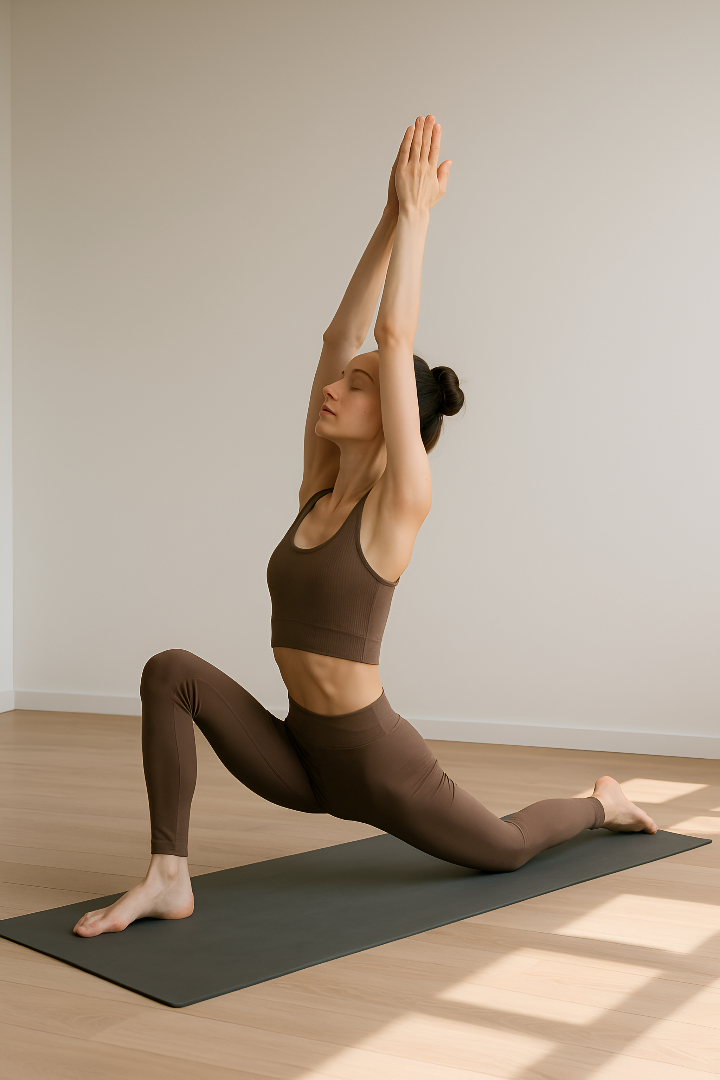
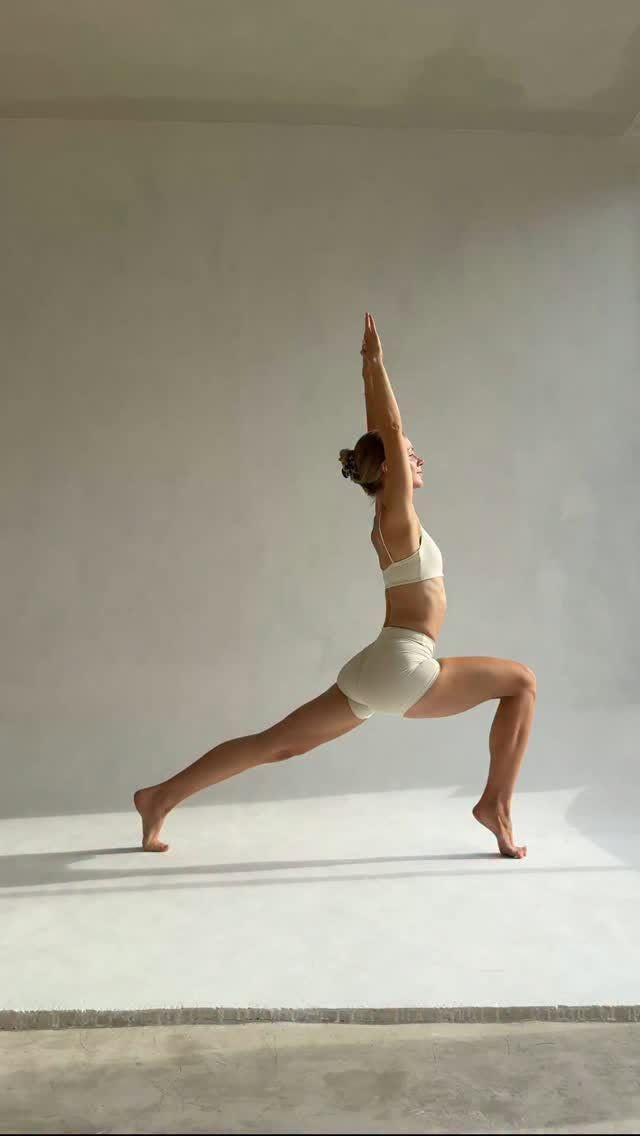

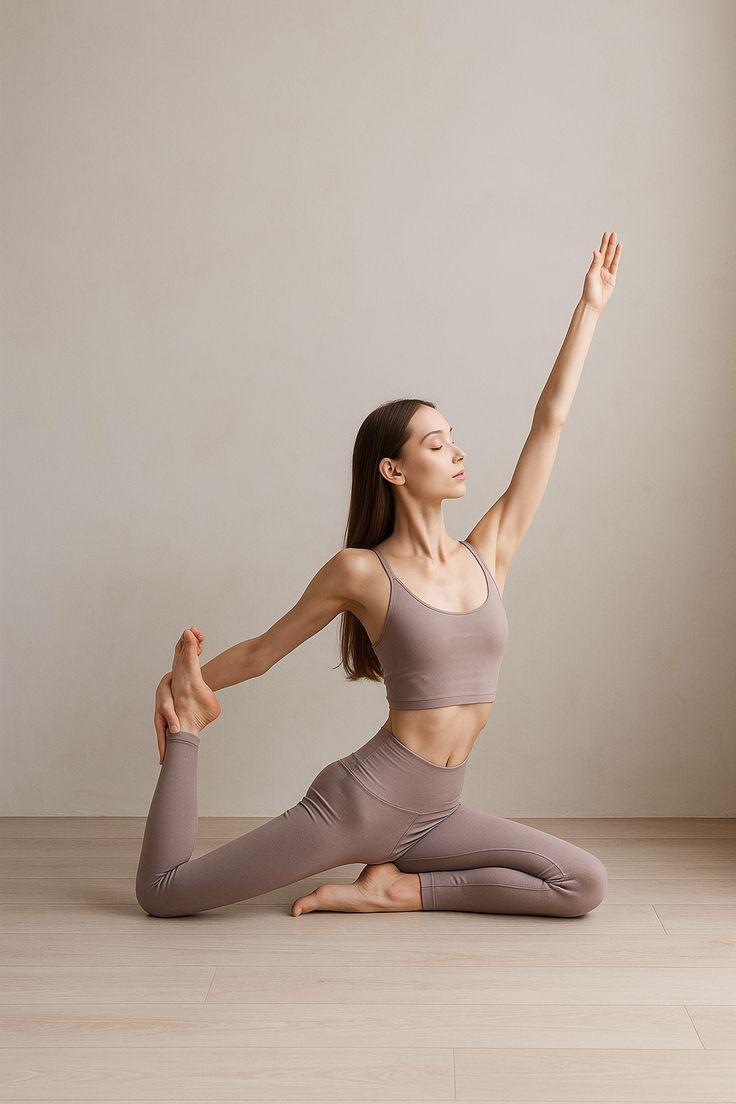
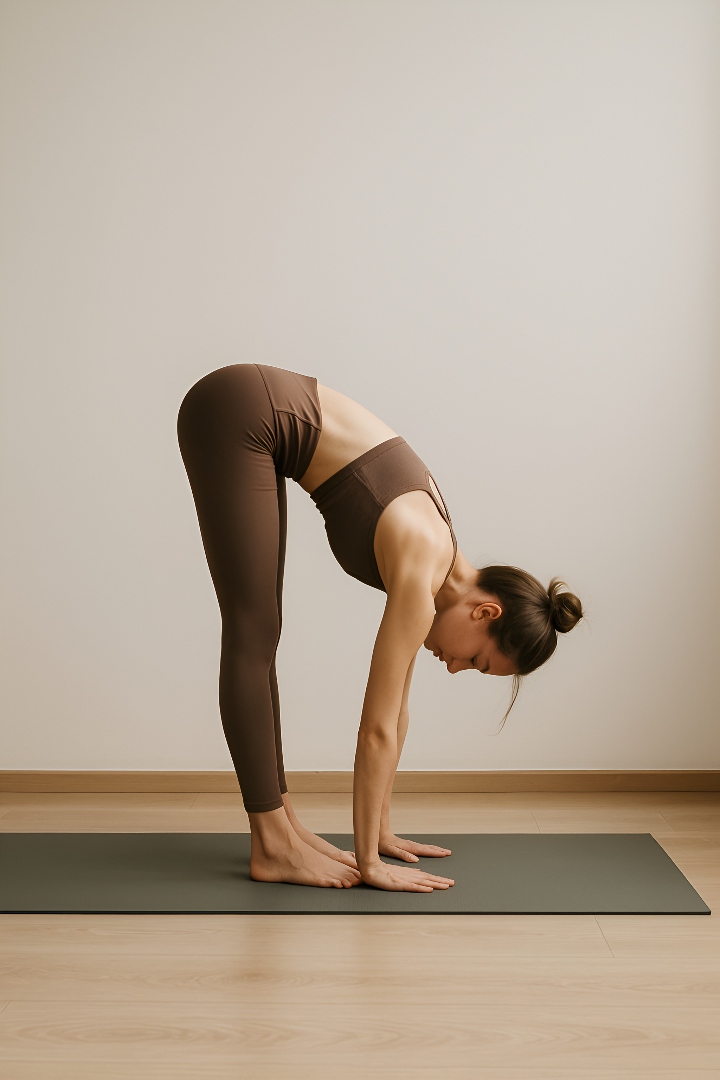
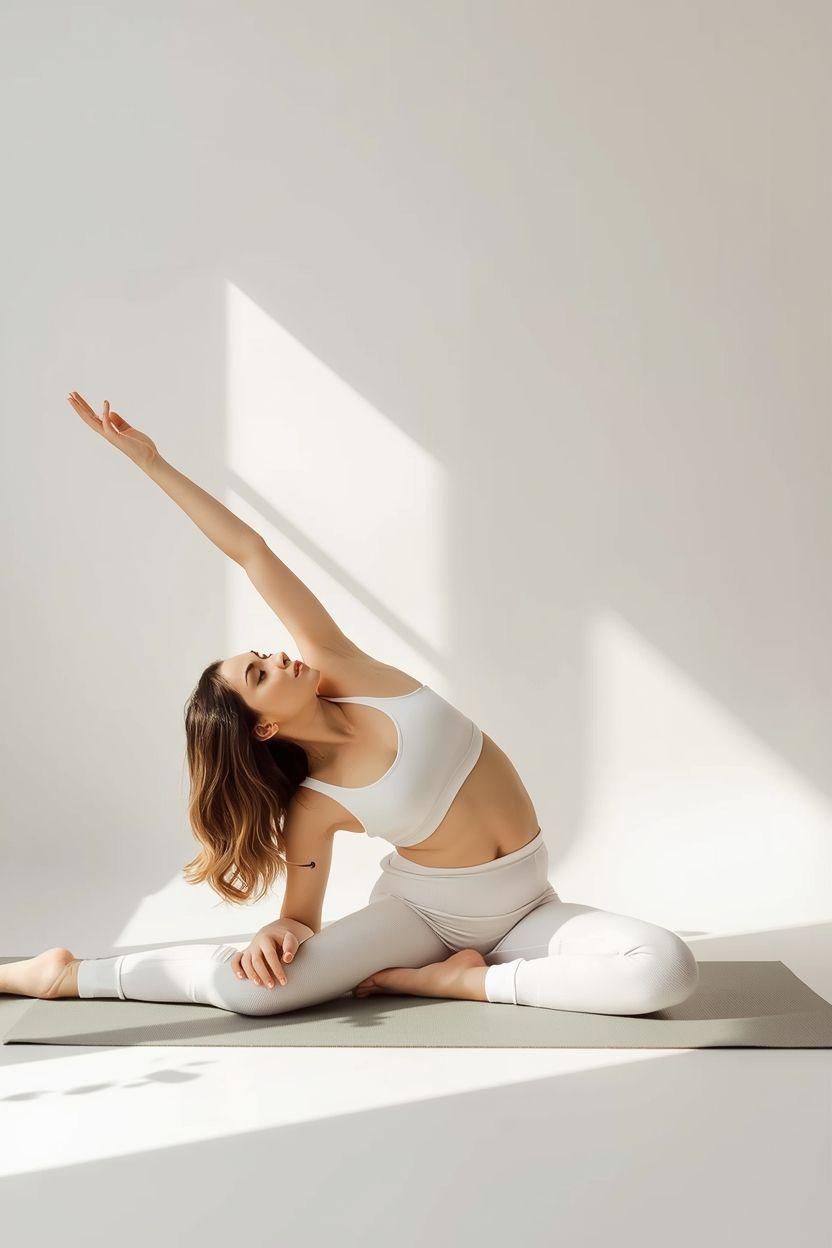
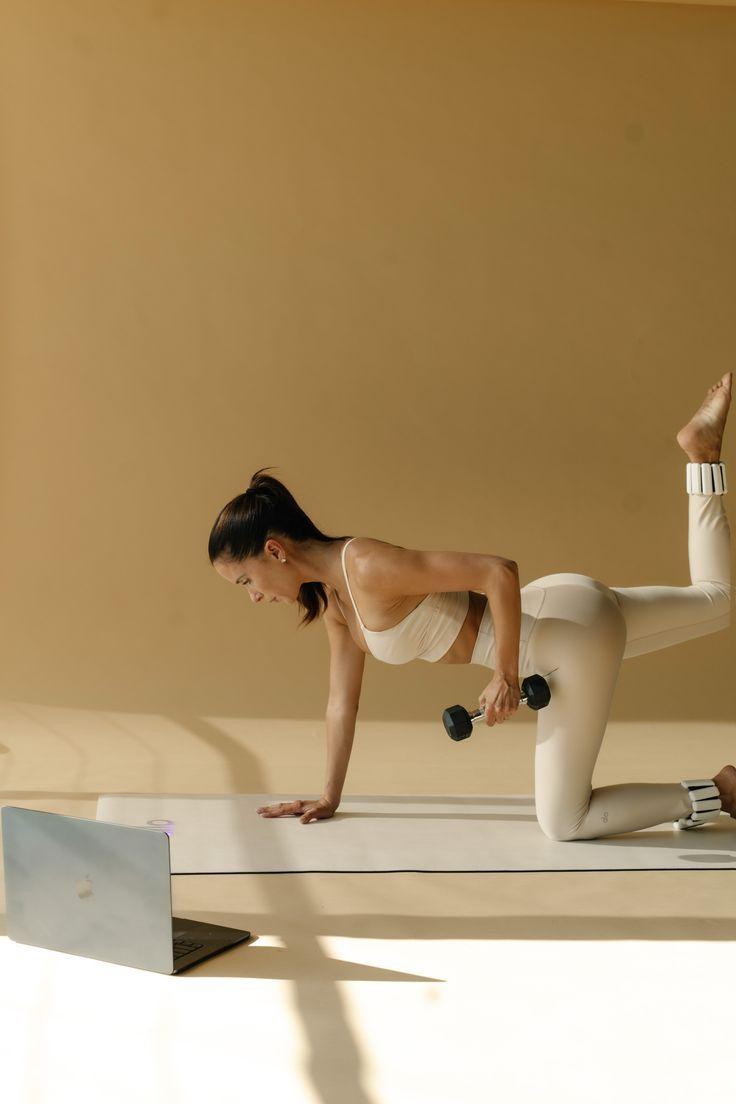
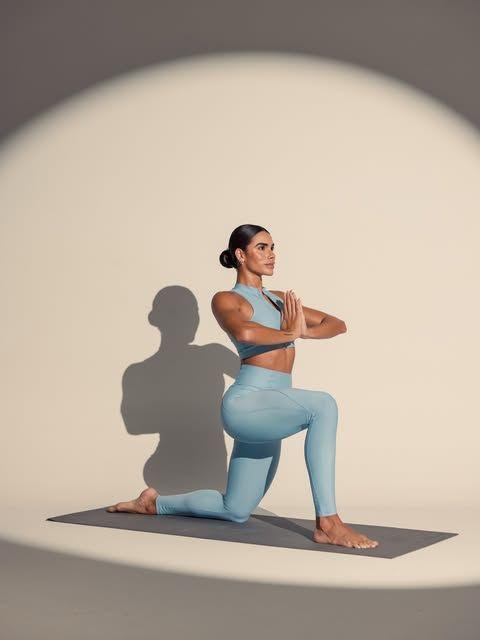


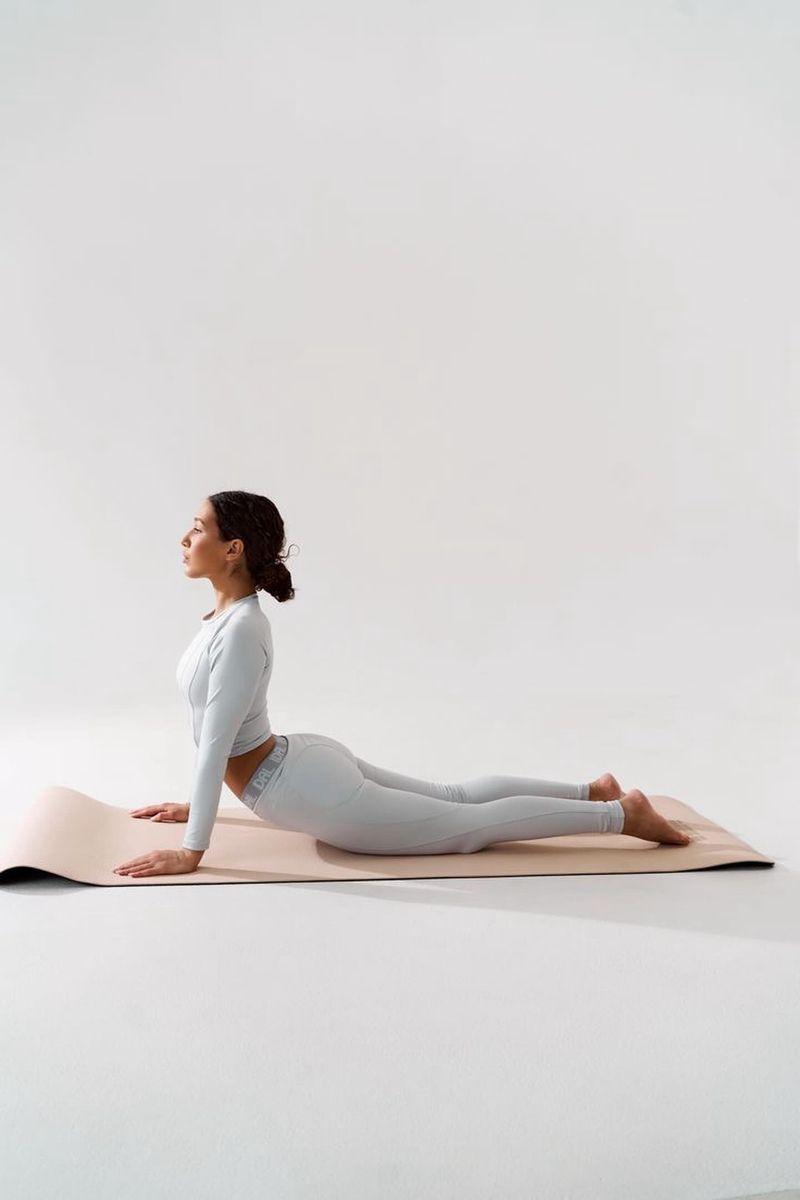
A World of Yoga Styles
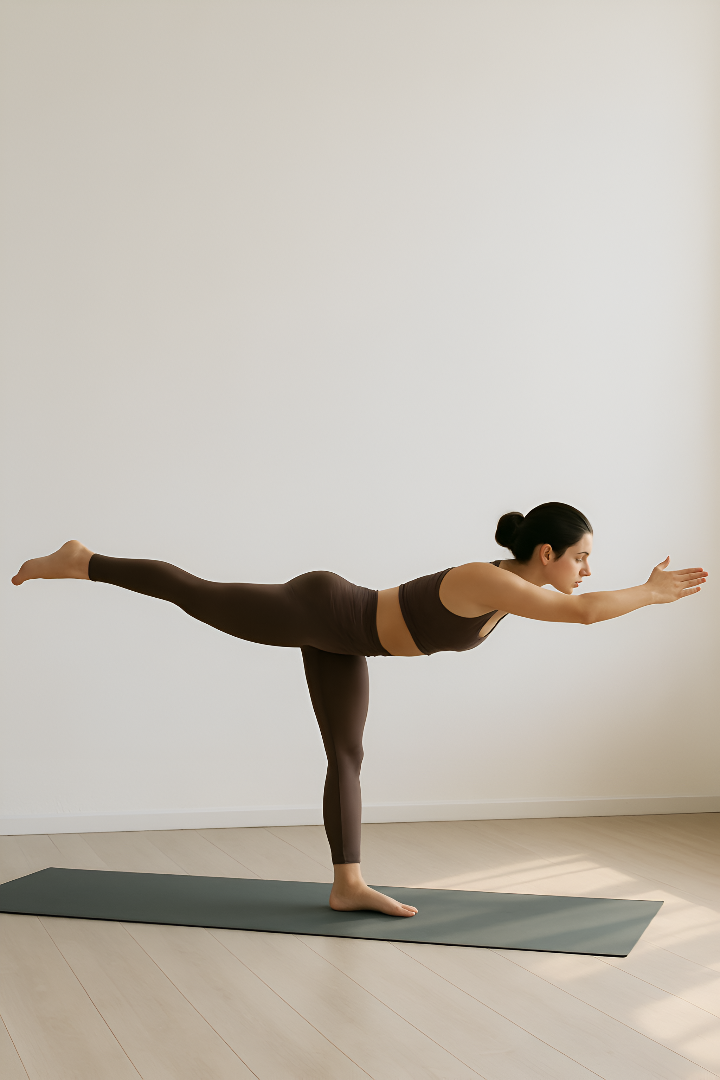
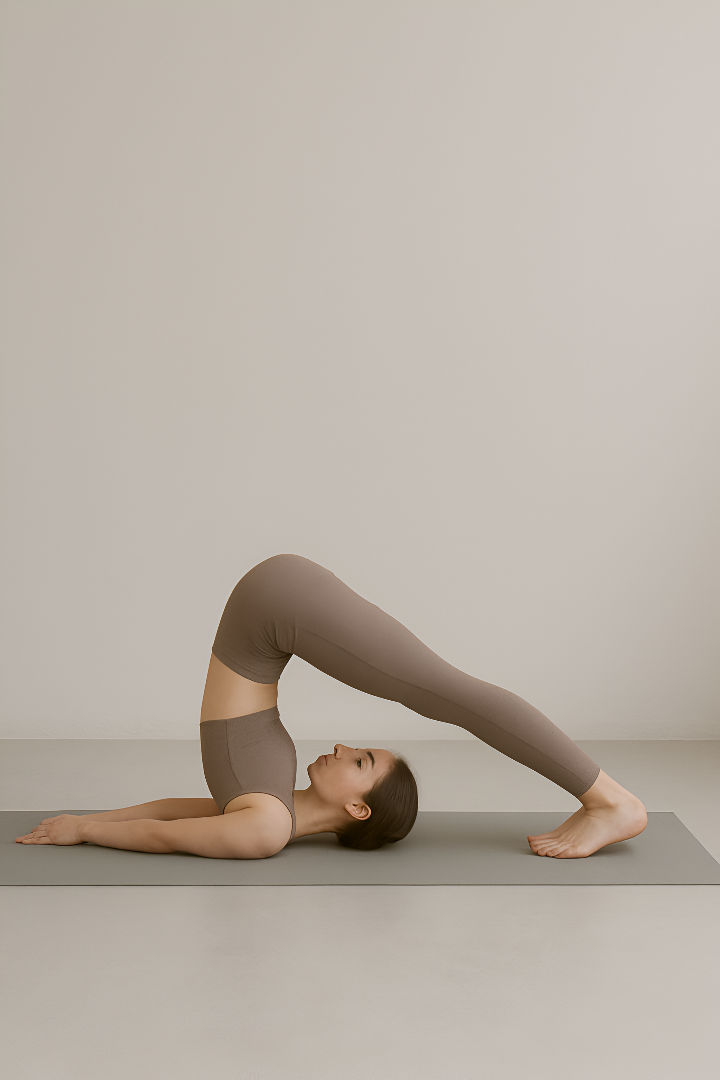
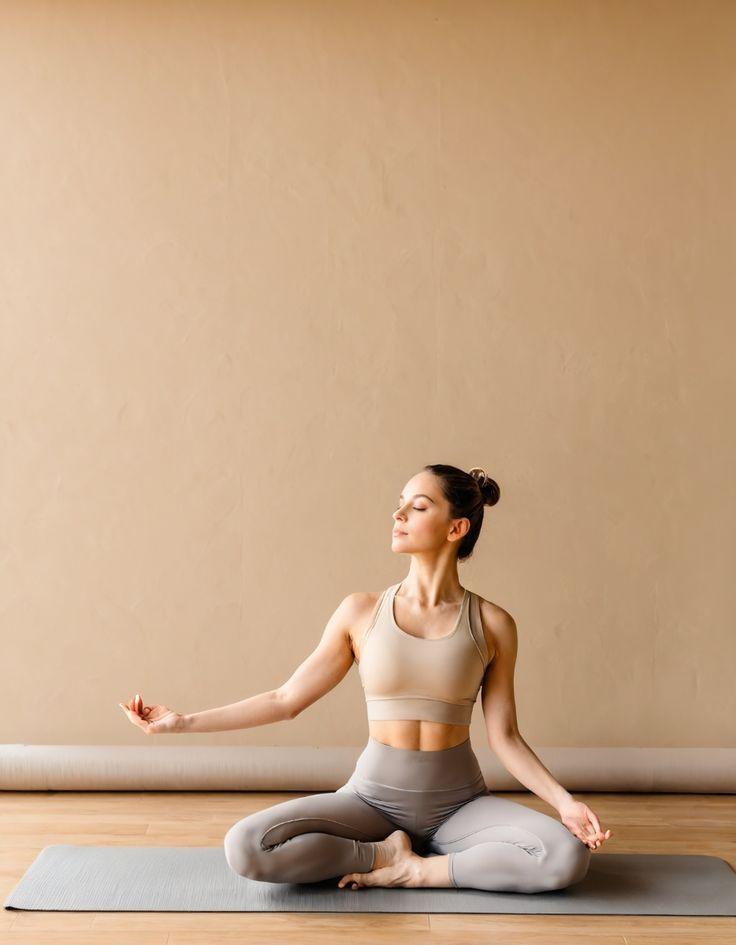
Yoga is an ancient discipline that has evolved into a rich tapestry of styles, each with its own philosophy, pacing, and physical emphasis. While all forms of yoga share the common goals of uniting body, mind, and spirit, the path you choose can dramatically shape your experience. Some styles emphasize rigorous physical conditioning, others prioritize deep relaxation or spiritual awakening. Understanding these distinctions empowers you to select a practice that aligns with your fitness level, personality, and wellness objectives. This guide covers the most popular and widely practiced yoga types, from the foundational Hatha to the playful Acro Yoga.
Why Understanding Yoga Types Matters
Choosing the right yoga style can mean the difference between a practice you love and one you abandon. Each style demands different things from your body and mind. A high-energy practitioner might thrive in Power Yoga but feel restless in Yin, while someone recovering from injury would benefit more from Restorative or Iyengar Yoga. Understanding the landscape of yoga types helps you make an informed choice, prevents injury, and ensures your practice evolves with your changing needs. It also deepens your appreciation of yoga as a diverse, living tradition with something to offer every individual.
Benefits of Exploring Multiple Yoga Styles
Find Your Perfect Match
With so many styles available, you can discover a practice that feels natural, enjoyable, and sustainable for your unique body and lifestyle.
Prevent Plateaus & Boredom
Cross-training across different styles challenges your body in new ways, prevents fitness plateaus, and keeps your practice fresh and engaging.
Develop a Well-Rounded Practice
Combining dynamic and restorative styles builds both strength and flexibility while balancing your nervous system for complete physical and mental health.
Adapt to Life's Phases
As your body changes through injury, pregnancy, aging, or stress, knowing multiple styles lets you adapt your practice rather than abandon it.
Deepen Your Yoga Knowledge
Each style offers unique insights into yogic philosophy, anatomy, and energy work. Exploring multiple traditions enriches your understanding of yoga as a whole.
Who Should Explore Different Yoga Types
Yoga Beginners
If you are new to yoga, exploring different styles helps you find an entry point that feels accessible and enjoyable rather than intimidating.
Experienced Practitioners
Seasoned yogis looking to deepen their practice or overcome plateaus will find new challenges and perspectives in unfamiliar styles.
Fitness Enthusiasts
Athletes and gym-goers can use yoga styles like Power or Ashtanga for cross-training, and Yin or Restorative for recovery and mobility.
People with Health Conditions
Therapeutic, Restorative, and Iyengar yoga offer modified approaches for those managing injuries, chronic pain, or medical conditions.
Yoga Teachers & Trainers
Broadening your knowledge of different styles makes you a more versatile teacher capable of serving students with diverse needs and preferences.
Things to Know About Yoga Styles
Styles Are Not Rigid Categories
Many modern classes blend elements from multiple traditions. A Hatha class may incorporate Vinyasa flow, and a Power Yoga class often draws from Ashtanga. Be open to hybrid experiences.
Your Preferences Will Evolve
The style you love today may not be what you need in five years. Allow your practice to evolve naturally with your body, lifestyle, and goals.
Teacher Matters as Much as Style
A skilled teacher can make any style accessible and transformative. Conversely, a mismatched teacher can make even your preferred style feel off. Explore different instructors too.
Try Each Style at Least 3 Times
Your first experience with a new style may feel awkward or unfamiliar. Give each style at least three sessions before deciding whether it suits you.
Online vs. In-Person Matters
Some styles like Iyengar and Acro Yoga benefit greatly from in-person guidance, while others like Yoga Nidra and Restorative translate well to online practice.
Explore Related Topics
Frequently Asked Questions
इस विषय पर और जानें
इसे अन्य अभ्यासों के साथ जोड़ें
महत्वपूर्ण विषयों पर वापस जाएं
क्या आप अपनी योग यात्रा शुरू करने के लिए तैयार हैं?
Your first class is free. Talk to Gayatri and discover the practice that's right for you.