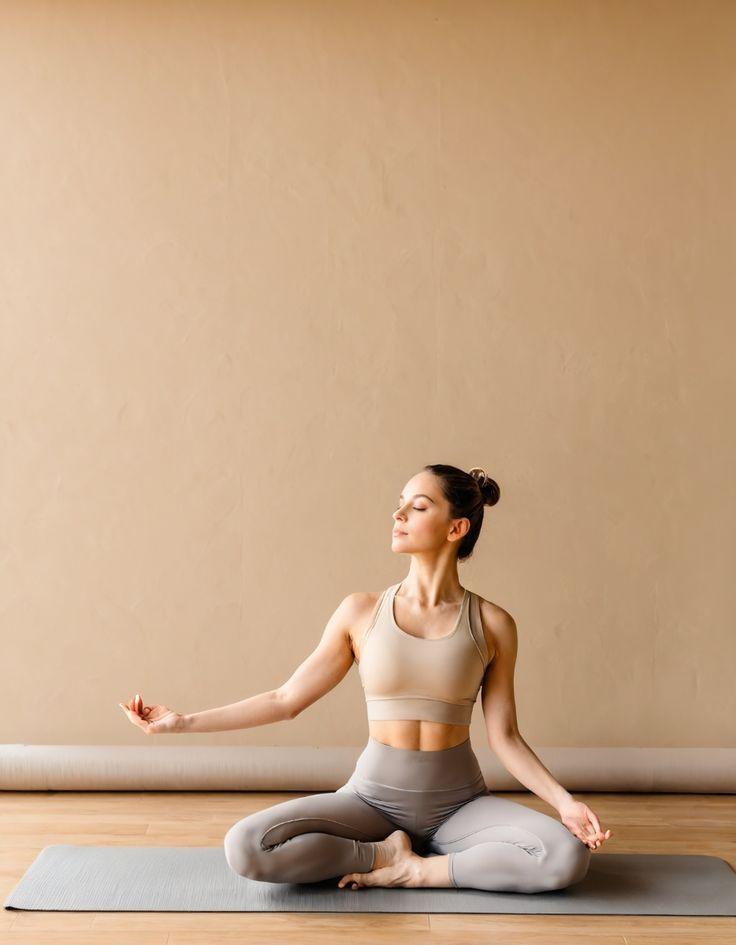
Vinyasa Yoga — Breath & Movement in Flow
Vinyasa Yoga is a fluid, dynamic style where postures are linked together in a seamless sequence, synchronized with the breath. Often described as moving meditation, Vinyasa offers endless variety — no two classes are exactly the same. It is one of the most popular yoga styles in the world for good reason.
What Is Vinyasa Yoga?
Vinyasa Yoga is a style characterized by the seamless connection of breath and movement. Each inhale and exhale initiates a transition from one pose to the next, creating a dance-like flow that builds heat, strength, and focus. The term vinyasa means to place in a special way, referring to the deliberate sequencing of postures. Unlike the fixed sequences of Ashtanga, Vinyasa classes are highly creative — teachers design unique flows that may include Sun Salutations, standing poses, balances, backbends, inversions, and a final relaxation.
Why Vinyasa Yoga Matters
Vinyasa Yoga teaches you to move with grace and intention, cultivating a deep connection between your breath and every action. This mind-body synchronization has profound benefits — it calms the nervous system, improves coordination, and transforms exercise into a meditative experience. The variety in Vinyasa also keeps the practice fresh and engaging, making it more likely that you will stay consistent. For those who find traditional Hatha too slow or Ashtanga too rigid, Vinyasa offers a creative middle path that challenges both body and mind.
Benefits of Vinyasa Yoga
Improves Cardiovascular Fitness
The continuous movement in Vinyasa elevates heart rate and maintains it throughout the practice, providing an excellent cardiovascular workout that improves heart health and endurance.
Builds Full-Body Strength
Vinyasa flows engage multiple muscle groups simultaneously. Planks, chaturangas, and arm balances build upper body and core strength, while standing poses develop leg power.
Enhances Flexibility Dynamically
Moving through poses repeatedly in a flow warms muscles deeply, allowing for greater range of motion and flexibility gains without the risk of static overstretching.
Reduces Stress Through Rhythm
The rhythmic sync of breath and movement creates a moving meditation that quiets mental chatter, reduces cortisol levels, and induces a state of flow.
Burns Calories Effectively
A vigorous Vinyasa practice can burn 400 to 500 calories per hour, making it an excellent component of a weight management or fitness program.
Who Is Vinyasa Yoga For
Active Individuals
If you enjoy movement, music, and variety, Vinyasa's dynamic flow will keep you engaged. It appeals to those who want their yoga to feel like a full workout.
Creative Souls
The variety and creativity in Vinyasa sequencing appeals to those who appreciate artistic expression and dislike rigid, repetitive routines.
Intermediate Practitioners
Vinyasa is ideal for those with a basic understanding of yoga postures who are ready to build strength, stamina, and a more fluid practice.
Stress Management Seekers
The focused, rhythmic nature of Vinyasa helps quiet an overactive mind, making it excellent for those managing anxiety, work stress, or emotional overwhelm.
Things to Know About Vinyasa Yoga
Classes Vary Widely
Vinyasa has no fixed sequence. Each teacher brings their own creative style, pacing, and theme. Try different instructors to find a style that resonates with you.
Breath Is the Anchor
In Vinyasa, the breath leads the movement. If you find yourself holding your breath or gasping, the pace may be too fast. Always return to steady, even breathing.
Pace Can Range from Gentle to Vigorous
Not all Vinyasa classes are high-intensity. Some are slow and mindful (Slow Flow), while others are fast and athletic (Power Vinyasa). Check the class description before attending.
Learn to Do Chaturanga Safely
Chaturanga Dandasana (low plank) is a key transitional pose in Vinyasa. Learning proper alignment in Chaturanga is essential to prevent shoulder and wrist strain over time.
Explore Related Topics
Frequently Asked Questions
इस विषय पर और जानें
योग के प्रकार यात्रा
इसे अन्य अभ्यासों के साथ जोड़ें
महत्वपूर्ण विषयों पर वापस जाएं
क्या आप अपनी योग यात्रा शुरू करने के लिए तैयार हैं?
Your first class is free. Talk to Gayatri and discover the practice that's right for you.