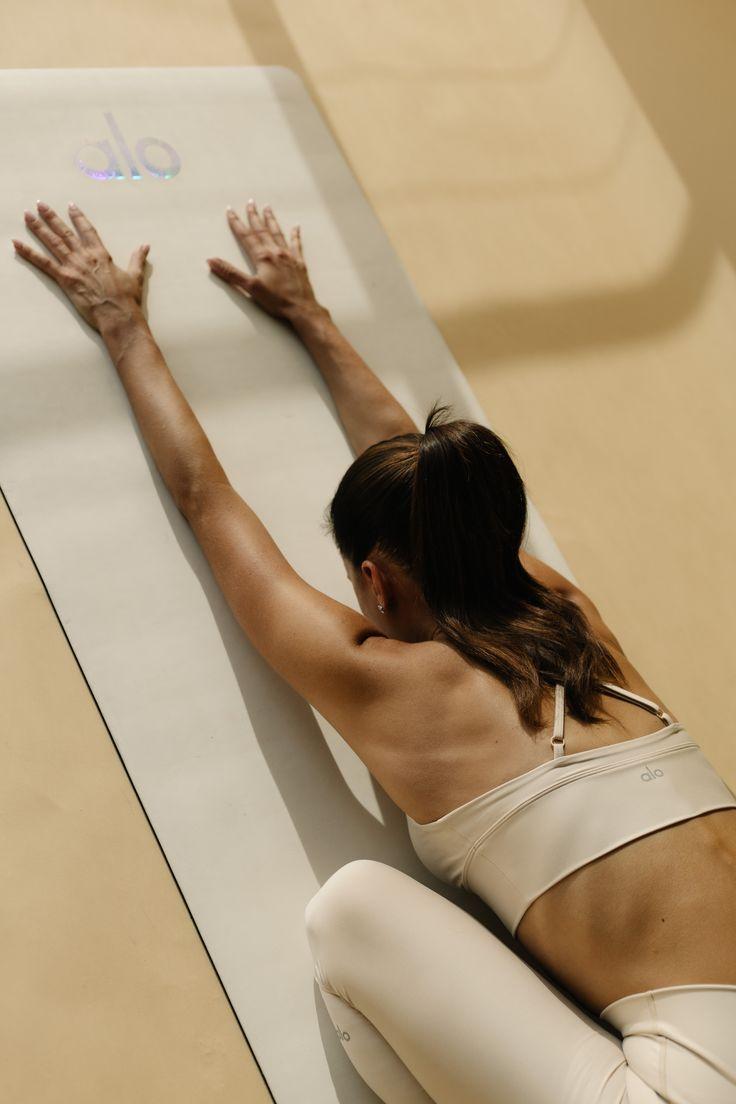
Yoga for Stress & Anxiety
A gentle, grounding practice can help you feel steadier and more at ease. Here is how yoga may support your nervous system when life feels overwhelming.
Finding Calm in a Busy Mind
Stress and anxiety are natural responses to life's demands, yet when they linger, they can leave the body and mind on constant alert. Yoga offers a supportive way to slow down, breathe more fully and reconnect with a sense of steadiness. Through gentle movement and quiet awareness, it may help you feel more grounded in the present moment.
Understanding the Stress Response
When we feel anxious, the body's fight-or-flight response activates, raising the heart rate and tensing the muscles. Slow, mindful practices help send signals of safety to the nervous system, encouraging a shift toward rest and calm. Yoga is not a treatment for anxiety, but it can be a caring companion alongside professional support.
Ways Yoga May Support You
Calms the Nervous System
Slow breathing and supported postures may help activate the relaxation response, reducing feelings of tension and worry.
Grounds You in the Body
Standing and seated practices build awareness of the present moment, drawing attention away from racing thoughts.
Softens Physical Tension
Forward folds and gentle backbends can release tightness held in the neck, shoulders and jaw that often accompany stress.
Builds Inner Resilience
A regular practice offers a steady rhythm and sense of control, which may help you meet challenges with more ease.
Grounding Asanas for Calm
Soothing Breathing Practices
Practices for Mental Stillness
Gentle Habits for Everyday Calm
Build a Small Routine
A few minutes of practice at the same time each day can create a comforting rhythm for the nervous system.
Step Into Nature
Short walks outdoors may lift your mood and give the mind a restful change of scene.
Savour Slow Moments
Tea without screens, a warm bath or quiet reading offer the body chances to soften and reset.
Reach Out Early
Sharing feelings with a trusted friend or professional can keep small worries from growing large.
Practice with Kind Awareness
Move slowly and keep your breath steady; if a pose creates strain, ease out and rest.
Avoid vigorous or overheating sequences, as very energising practices may heighten anxiety.
If lying down increases unease, practice seated or supported poses instead of full Savasana.
Keep breathing short and simple, and stop any practice that makes you feel more agitated rather than calmer.
When to Seek Support
Talk to a doctor or mental-health professional if anxiety is frequent, intense or affecting daily life.
Remember that yoga complements, and never replaces, professional care or prescribed medication.
If you ever have thoughts of self-harm, reach out to a trusted person or emergency helpline right away.
Common Questions
इस विषय पर और जानें
स्वास्थ्य व कल्याण से संबंधित
इसे अन्य अभ्यासों के साथ जोड़ें
महत्वपूर्ण विषयों पर वापस जाएं
Begin a Personalised Practice for Your Wellness
Every body is unique. Your first class is free — talk to Gayatri and receive guidance tailored to your needs.