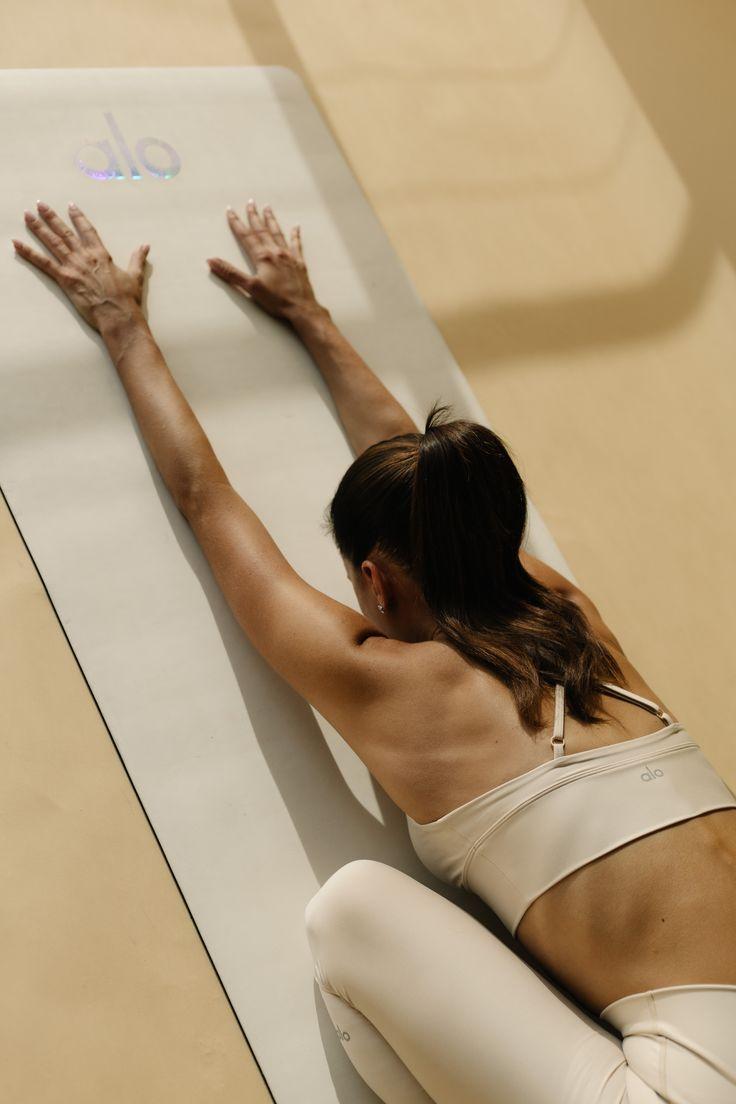
Yoga for Irritable Bowel Syndrome
Living with IBS means navigating a gut that is closely wired to your stress levels. Explore a soft, calming practice — gentle poses, slow breathing, and quiet mindfulness — that may support both your digestion and your peace of mind.
A Calmer Gut, One Gentle Practice at a Time
Irritable bowel syndrome is deeply connected to the nervous system — stress and anxiety can directly trigger or worsen symptoms. This guide focuses on the gentlest side of yoga: calming breathwork, soft restorative poses, and mindfulness that may help soothe the gut-brain connection. The aim is comfort and steadiness, never strain.
Understanding IBS & the Gut-Brain Connection
IBS is a functional digestive condition that affects how the gut moves and senses, often linked closely to stress through the gut-brain axis. When the mind is anxious, the gut feels it — cramping, bloating, and altered bowel habits can follow. Yoga is one of the most practical ways to soften this loop, because slow breath and mindful movement directly quiet the nervous system that talks to your gut.
Ways Yoga May Support You
Calms the Nervous System
Slow breathing and restorative poses activate the relaxation response, which may ease the stress that often flares IBS symptoms.
Tends the Gut-Brain Axis
Mindful practice soothes the constant chatter between mind and gut, supporting a more settled, comfortable digestive rhythm.
Releases Abdominal Tension
Gentle folds and soft twists release holding in the belly, which can reduce the feeling of cramping and tightness.
Builds Everyday Resilience
Regular meditation and breathwork help you respond to stress more calmly, which may translate into steadier digestive days overall.
Recommended Asanas
Recommended Meditation
Lifestyle Suggestions
Keep a Gentle Routine
Regular practice times, consistent meals, and adequate sleep help the body feel predictable — which a sensitive gut tends to appreciate.
Practice After a Gap
Allow at least two hours after a heavy meal before twisting or folding poses, and keep the practice slow and unhurried.
Hydrate Steadily
Sip water through the day rather than in large gulps, and favour warm fluids which may be kinder to a sensitive gut.
Explore the FODMAP Angle
Many people with IBS find certain fermentable foods trigger symptoms. Working with a dietitian on gentle elimination can be very supportive alongside yoga.
Practice Precautions
Practice at least two hours after a heavy meal, and keep all movement soft and unhurried.
During an acute flare-up, skip twists and compressions and rest in gentle, supported poses like a lying rest.
Avoid vigorous breathwork such as Kapalbhati, which may over-stimulate a sensitive gut and nervous system.
Take extra caution with twists if you have IBD, an ulcer, or a hernia — choose gentler variations or avoid them entirely.
When to Consult a Doctor
If you notice new or worsening symptoms, blood in the stool, or unexplained weight loss — these need prompt medical review.
If IBS symptoms interrupt sleep, work, or daily life despite gentle lifestyle changes and support.
Remember, yoga complements but never replaces medical care — always follow your doctor's treatment plan alongside practice.
Frequently Asked Questions
इस विषय पर और जानें
इसे अन्य अभ्यासों के साथ जोड़ें
महत्वपूर्ण विषयों पर वापस जाएं
Begin a Personalised Practice for Your Wellness
Every body is unique. Your first class is free — talk to Gayatri and receive guidance tailored to your needs.