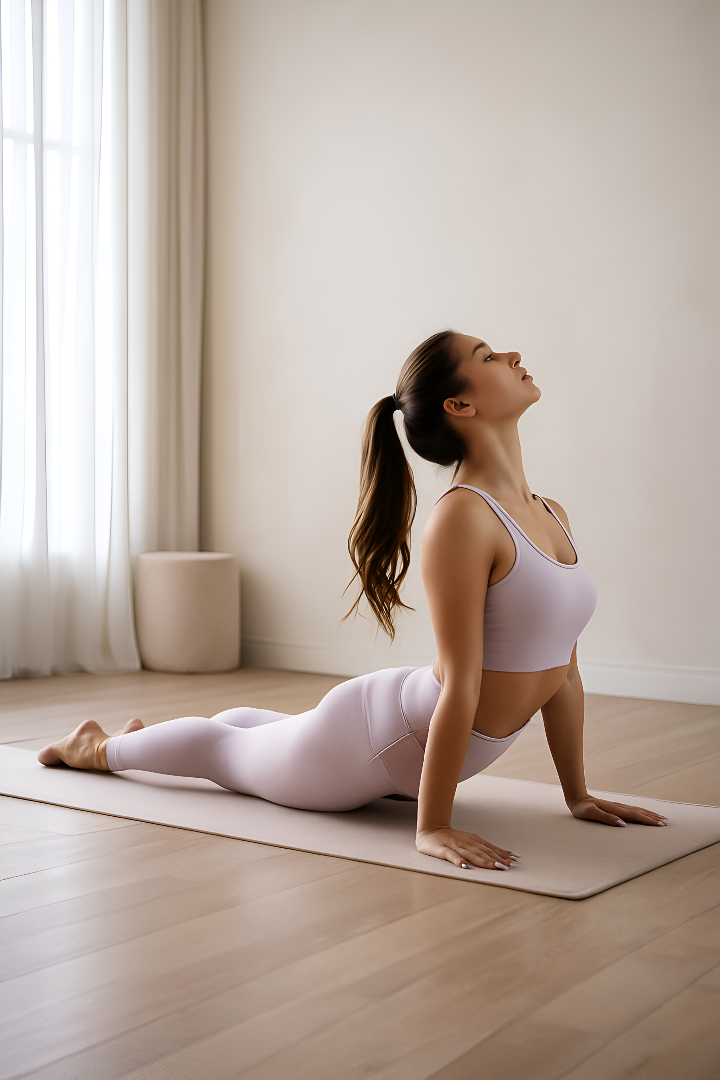
Yoga Asanas Directory
Explore the complete library of yoga postures — from foundational standing poses to advanced inversions. Each asana includes alignment cues, benefits, modifications, and step-by-step guidance.
Your Complete Asana Library
Yoga asanas are far more than physical exercises — they are tools for transformation. Each posture has been refined over thousands of years to build strength, increase flexibility, balance the nervous system, and prepare the body for meditation. This directory organizes 150+ asanas into eight logical categories, making it easy to find the right pose for your practice, level, and intention.
Benefits of Yoga Asanas
Physical Strength & Endurance
Regular asana practice builds functional strength across all major muscle groups without the joint stress of conventional weight training.
Flexibility & Mobility
Asanas systematically increase range of motion in joints and lengthen tight muscles, improving posture and reducing injury risk.
Nervous System Regulation
The combination of movement, breath, and awareness in asana practice activates the parasympathetic nervous system, reducing stress and anxiety.
Improved Posture & Alignment
Each asana trains body awareness and corrects muscular imbalances that cause poor posture, back pain, and chronic tension.
Enhanced Body Awareness
Asana practice cultivates interoception — the ability to sense internal states — leading to better self-regulation and mindful living.
Preparation for Meditation
By calming the body and steadying the mind, asanas create the physical stability needed for prolonged sitting meditation.
Explore Asanas by Category







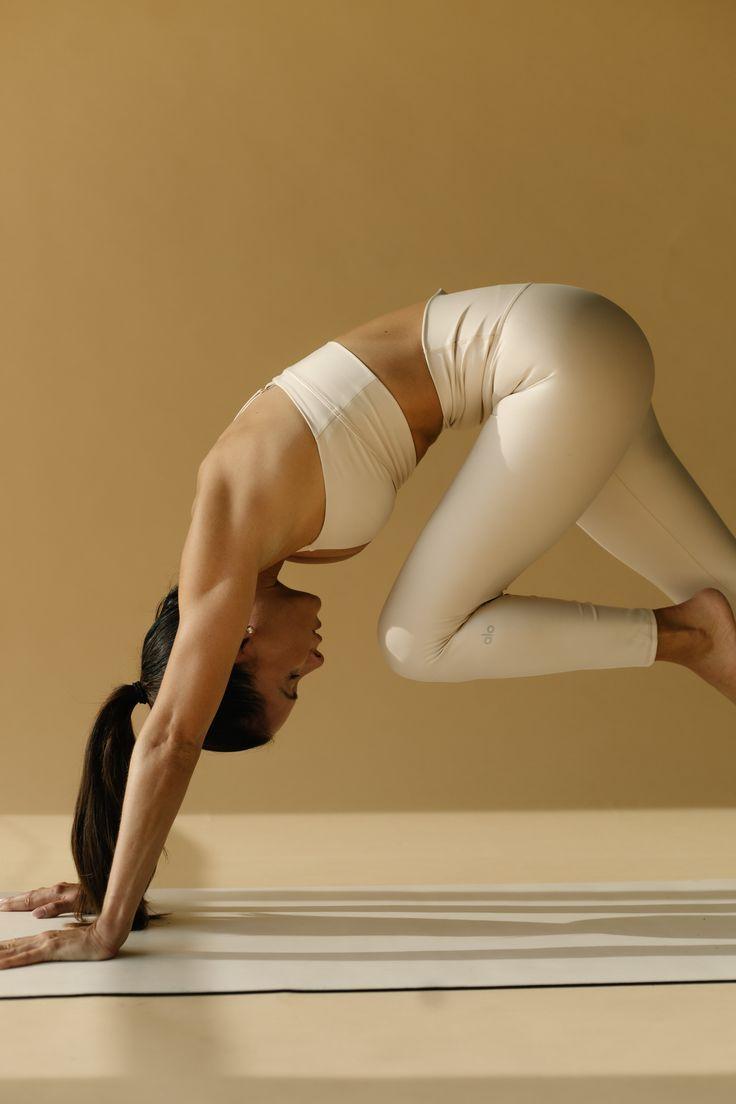
Popular Asanas
Asana Difficulty Levels
Beginner
Foundation poses that establish proper alignment, build basic strength, and develop body awareness. Suitable for students new to yoga or returning after a break.
New practitioners, those with limited mobility, recovery from injury
Intermediate
Poses requiring greater strength, flexibility, and coordination. These asanas build on foundational alignment and introduce more complex movement patterns.
Regular practitioners with 3-12 months of consistent practice
Advanced
Demanding poses that require significant strength, flexibility, balance, and body awareness. These asanas should be approached with patience and proper preparation.
Experienced practitioners with 12+ months of consistent practice under qualified guidance
Asana Practice Guidelines
Warm Up First
Always begin with gentle warm-up movements — neck rolls, shoulder circles, cat-cow stretches, and joint rotations — to prepare the body for deeper asanas.
Listen to Your Body
Pain is not gain in yoga. Distinguish between the discomfort of stretching and the warning signal of pain. Never force a pose; use modifications and props.
Breathe Continuously
The breath is the anchor of asana practice. Maintain steady, even breathing throughout each pose. If you cannot breathe calmly, you have gone too far.
Build Gradually
Progress in asana practice is measured in months and years, not days. Build a consistent foundation with basic poses before attempting advanced variations.
Use Props When Needed
Blocks, straps, bolsters, and blankets are not crutches — they are tools that make poses accessible and safe. Even advanced practitioners use props.
End with Savasana
Every asana practice should conclude with Savasana (Corpse Pose) for at least 5-10 minutes. This allows the nervous system to integrate the practice.
Frequently Asked Questions
इस विषय पर और जानें
इसे अन्य अभ्यासों के साथ जोड़ें
महत्वपूर्ण विषयों पर वापस जाएं
Ready to Begin Your Asana Practice?
Your first class is free. Talk to Gayatri and discover the practice that's right for you.