
Yoga Philosophy Guide
Dive into the timeless wisdom of yoga philosophy — from the Yoga Sutras of Patanjali and the Bhagavad Gita to the paths of Karma, Bhakti, Jnana, and Raja Yoga. Understand the foundational principles that have guided yogis for millennia.
Explore All *Topics*






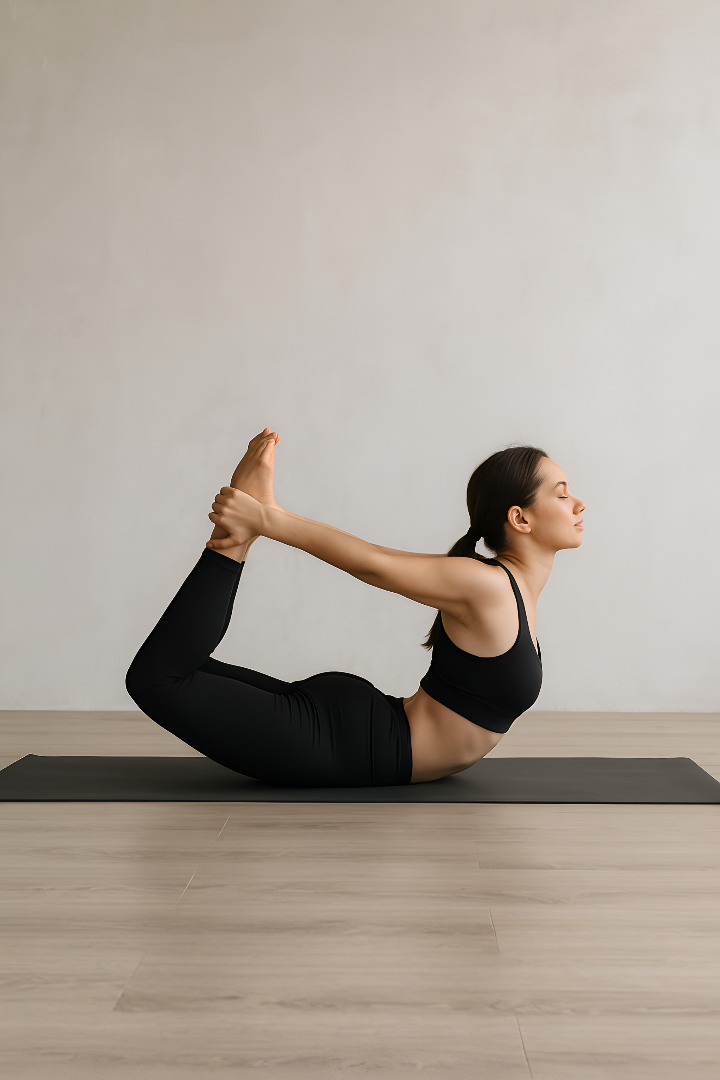
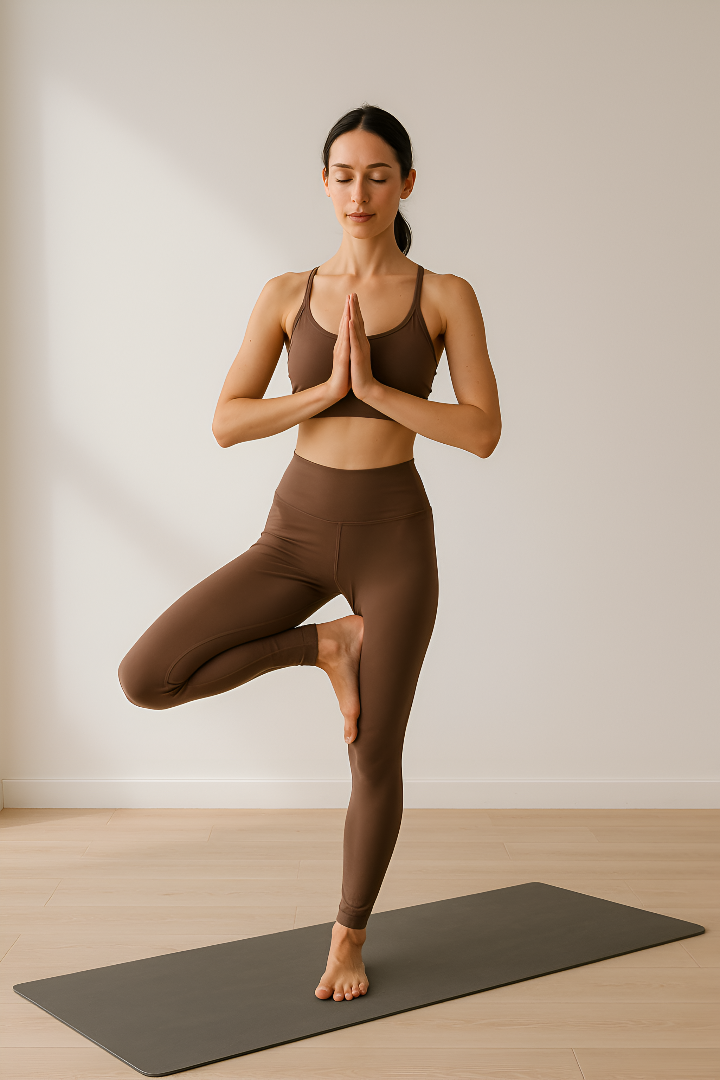


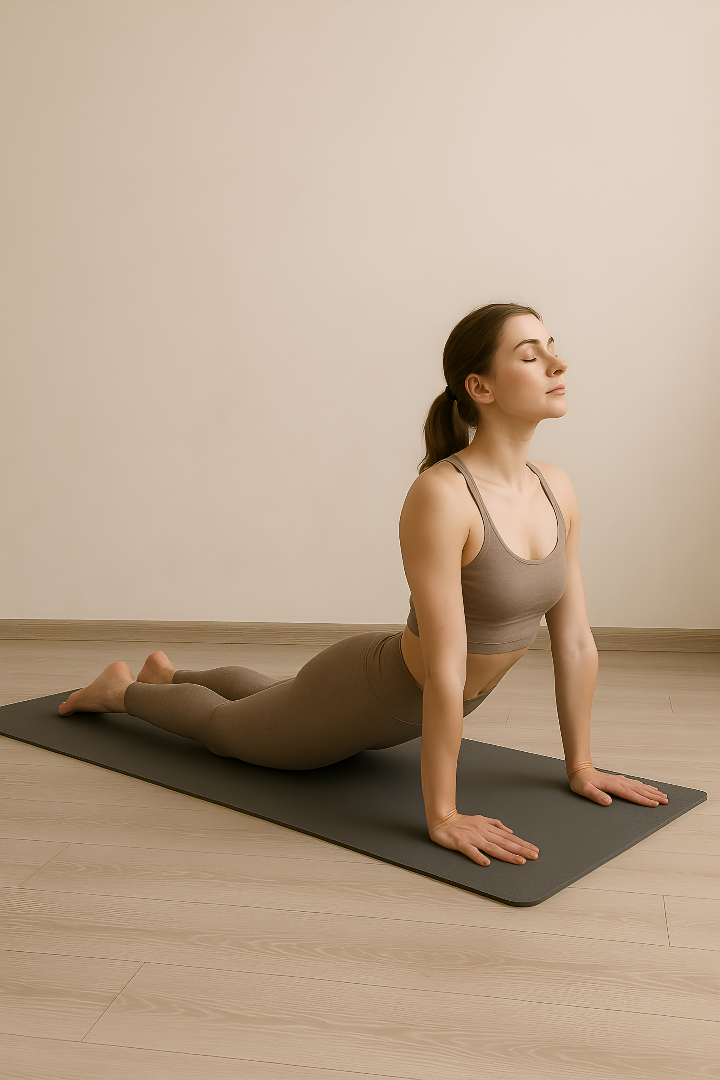
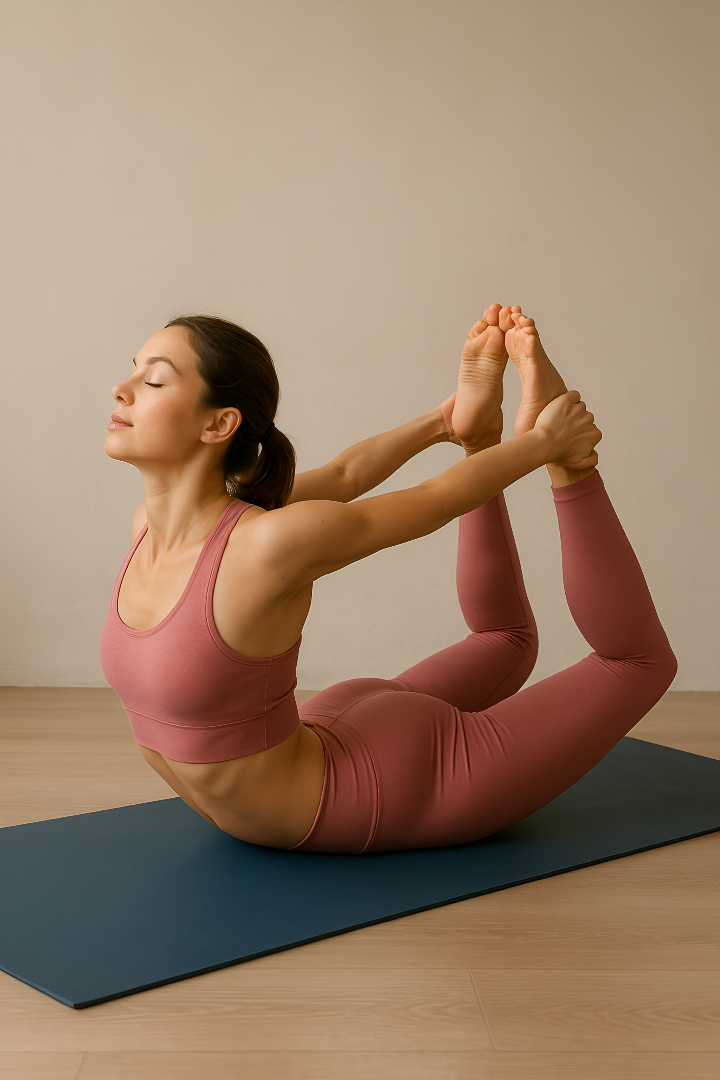



The Heart of Yoga: Philosophy
Yoga is far more than a physical practice — it is a complete philosophical system that offers a profound understanding of the human mind, the nature of reality, and the path to lasting peace. Rooted in ancient Indian texts such as the Vedas, Upanishads, Bhagavad Gita, and the Yoga Sutras of Patanjali, yoga philosophy provides the ethical, mental, and spiritual framework that transforms a simple asana practice into a transformative way of life. Whether you are a beginner curious about the meaning of yoga or an advanced practitioner seeking to deepen your sadhana, understanding these philosophical foundations will enrich every aspect of your journey.
Why Philosophy Matters in Yoga
Without its philosophical roots, yoga reduces to mere physical exercise. The philosophy gives yoga its depth, purpose, and transformative power. It answers the fundamental questions of who we are, why we suffer, and how we can live with greater awareness, compassion, and freedom. Understanding yoga philosophy helps practitioners move beyond the mat and integrate yogic principles into daily life — from ethical living and mental discipline to meditation and self-realization.
Benefits of Studying Yoga Philosophy
Deeper Practice
Understanding the why behind each technique transforms your practice from mechanical repetition to intentional, mindful sadhana.
Mental Clarity
Philosophical study sharpens the mind, improves concentration, and provides frameworks for understanding thoughts, emotions, and habitual patterns.
Ethical Foundation
The Yamas and Niyamas offer a practical ethical code that guides relationships, work, and daily conduct toward greater harmony and integrity.
Spiritual Growth
Philosophy opens the door to self-inquiry and spiritual exploration, helping you move beyond the surface level of existence toward self-realization.
Resilience and Peace
Ancient yogic wisdom provides tools to navigate life's challenges with equanimity, reducing reactivity and cultivating inner stability.
Who Should Explore Yoga Philosophy?
Yoga Practitioners
Anyone who practices asanas and wants to deepen their understanding of the tradition behind the postures.
Yoga Teachers
Teachers seeking to offer richer, more meaningful classes by weaving philosophical concepts into their instruction.
Spiritual Seekers
Individuals exploring Eastern philosophy, meditation, and the nature of consciousness beyond religious boundaries.
Students of Psychology
Those interested in the mind-body connection, cognitive science, and ancient frameworks for mental well-being.
Things to Know About Yoga Philosophy
It Is Practical
Yoga philosophy is not abstract theory. It is a practical, experiential system designed to be applied and tested in daily life.
Multiple Paths
Yoga recognizes that people have different temperaments and offers multiple paths — Karma, Bhakti, Jnana, and Raja Yoga — to suit different personalities.
Not a Religion
Yoga philosophy is a spiritual science that complements any religious belief or no religion at all. It focuses on direct experience rather than dogma.
Textual Foundation
The key texts include the Yoga Sutras of Patanjali, Bhagavad Gita, Upanishads, Hatha Yoga Pradipika, and the Gheranda Samhita, each offering unique insights.
Lifelong Study
Philosophical understanding deepens with practice and time. It is a lifelong journey of self-discovery rather than a destination to reach.
Frequently Asked Questions
इस विषय पर और जानें
योग दर्शन से संबंधित
इसे अन्य अभ्यासों के साथ जोड़ें
महत्वपूर्ण विषयों पर वापस जाएं
क्या आप अपनी योग यात्रा शुरू करने के लिए तैयार हैं?
Your first class is free. Talk to Gayatri and discover the practice that's right for you.