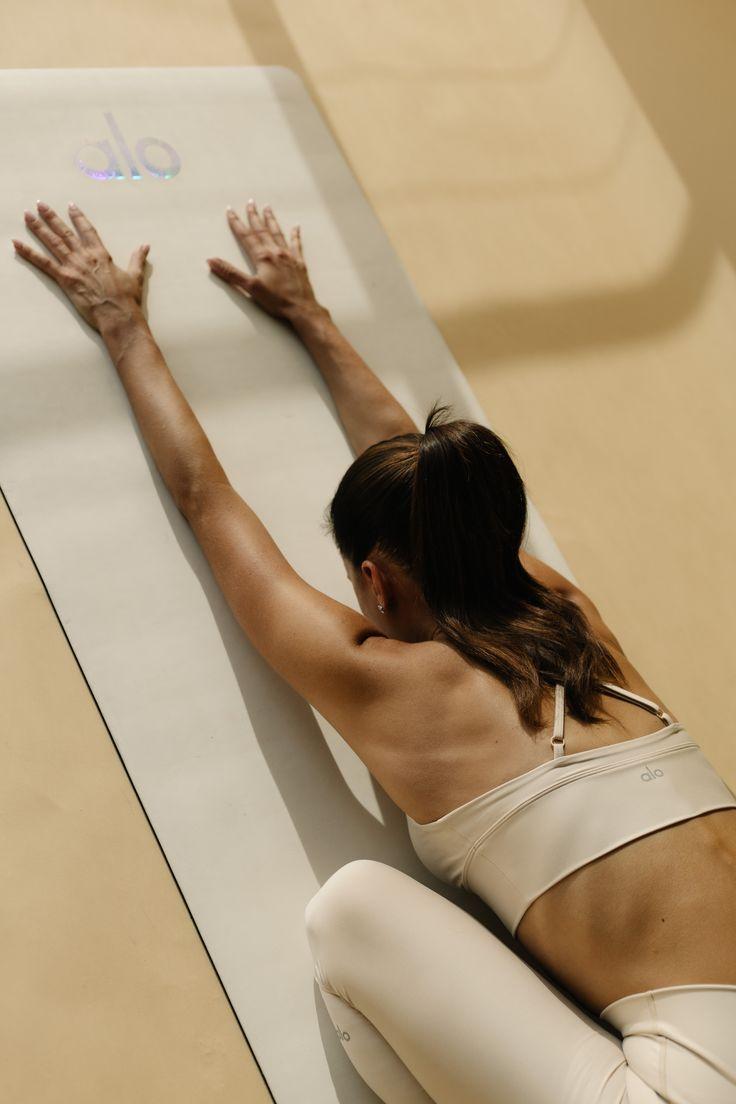
Pranayama — The Science of Breath
Pranayama is the art and science of conscious breathing. Rooted in ancient yogic tradition, these powerful breath control techniques regulate the flow of prana (life force energy) to calm the mind, energise the body, and elevate spiritual awareness.
Your Complete Pranayama Guide
Welcome to the most comprehensive guide to Pranayama on the internet. Whether you are a beginner taking your first conscious breath or an experienced practitioner refining your technique, this hub covers every aspect of yogic breath control. Each technique is explained with clear steps, scientific benefits, safety guidelines, and practical tips for daily practice.
What Is Pranayama?
Pranayama is the fourth limb of Patanjali's eightfold path of yoga. The word is derived from two Sanskrit roots: prana (life force or vital energy) and ayama (extension or control). Together, Pranayama means the expansion and regulation of life force through conscious breathing. While ordinary breathing is automatic and shallow, Pranayama techniques deliberately alter the depth, rhythm, and pace of breath to influence the nervous system, purify energy channels (nadis), and prepare the mind for meditation. The Hatha Yoga Pradipika, one of the most influential classical texts, dedicates extensive instruction to Pranayama, describing it as the key to unlocking higher states of consciousness.
Benefits of Pranayama
Calms the Nervous System
Slow, rhythmic breathing activates the parasympathetic nervous system, reducing cortisol levels and triggering the relaxation response. This counteracts the effects of chronic stress and anxiety.
Improves Lung Function
Regular Pranayama practice increases vital capacity, strengthens respiratory muscles, and improves oxygen exchange efficiency. Beneficial for asthma, bronchitis, and overall respiratory health.
Enhances Mental Clarity
Conscious breathing increases oxygen flow to the brain, improving concentration, memory retention, and cognitive function. Many practitioners report heightened mental clarity and focus.
Balances Energy Levels
Different techniques can energise or calm the system. Stimulating practices like Kapalbhati and Bhastrika invigorate, while cooling techniques like Sheetali and Sheetkari soothe and relax.
Supports Cardiovascular Health
Studies show that regular Pranayama can lower blood pressure, improve heart rate variability, and enhance overall cardiovascular function through better oxygenation and vagus nerve stimulation.
Prepares for Meditation
Pranayama bridges the gap between physical yoga (asana) and meditation (dhyana). By steadying the breath, you naturally quiet the mind, making deep meditation more accessible.
Detoxifies the Body
Certain techniques, especially Kapalbhati, create internal pressure changes that massage internal organs, improve digestion, and enhance the body's natural detoxification processes.
Deepens Self-Awareness
The practice of observing and regulating your own breath cultivates mindfulness and interoception — the ability to sense internal bodily states. This awareness extends beyond the mat into daily life.
Pranayama Technique Categories
Cooling Techniques
Breathing practices that lower body temperature and calm the mind
Heating Techniques
Practices that generate internal heat and energise the system
Balancing Techniques
Practices that harmonise the left and right hemispheres and nadis
Calming Techniques
Breathing patterns that soothe the nervous system and reduce anxiety
Explore All Pranayama Techniques
Who Should Practice Pranayama
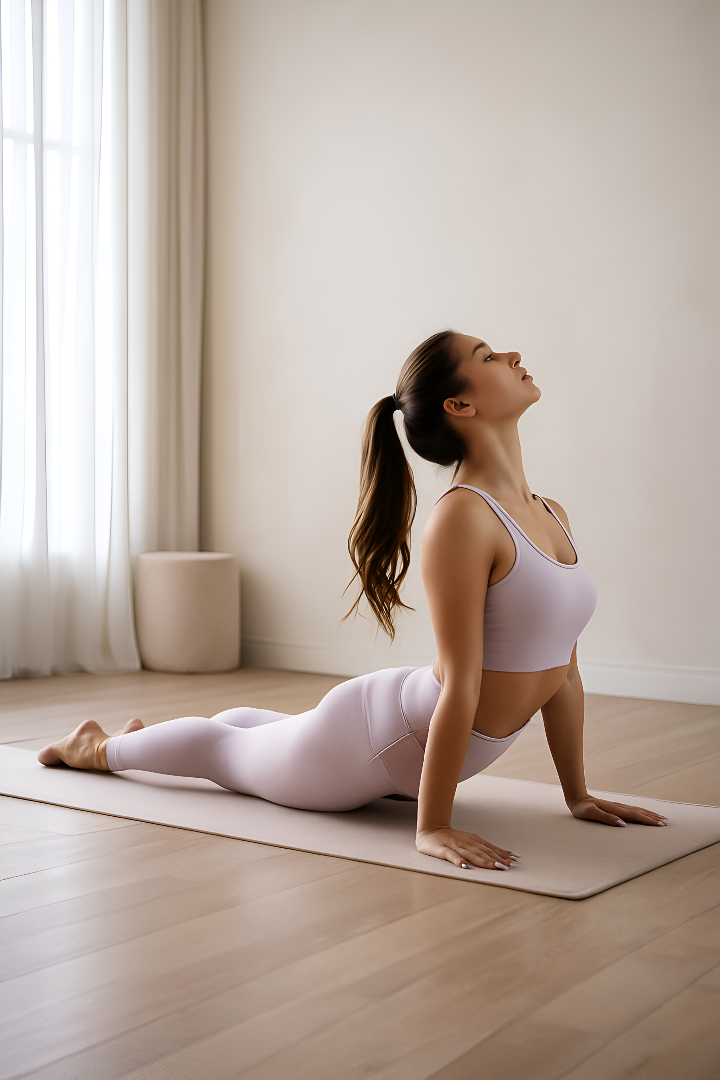
Everyone Seeking Stress Relief
If you struggle with stress, anxiety, or overwhelm, Pranayama offers direct access to your built-in calming mechanism. Even five minutes of conscious breathing can shift your state.
Yoga Practitioners
Pranayama completes your yoga practice. It deepens the mind-body connection, improves asana performance, and prepares you for meditation.
Athletes & Fitness Enthusiasts
Better breathing means better performance. Pranayama techniques like Ujjayi and Bhastrika improve lung capacity, oxygen utilisation, and recovery time.
People with Respiratory Conditions
With proper guidance, Pranayama can strengthen respiratory muscles and improve breathing efficiency for those managing asthma, allergies, or reduced lung function.
Meditators & Spiritual Seekers
Pranayama is the bridge between the outer and inner worlds. It prepares the nervous system and mind for deep meditation and expanded states of awareness.
Anyone Wanting Better Health
From lowering blood pressure to improving digestion and sleep, conscious breathing is one of the most accessible and effective health practices available to everyone.
Pranayama Safety Guidelines
Practice on an Empty Stomach
Wait at least 3 to 4 hours after a heavy meal and 1 to 2 hours after a light snack before practising Pranayama. A full stomach can cause discomfort and reduce the effectiveness of diaphragmatic breathing.
Start Slowly and Gradually
Begin with the simplest techniques (Anulom Vilom, Ujjayi) before progressing to advanced practices like Kapalbhati, Bhastrika, or retention (kumbhaka). Give your system time to adapt.
Listen to Your Body
If you feel dizzy, lightheaded, or short of breath, stop and return to normal breathing. Pranayama should never be forced. Ease back when symptoms subside.
Avoid During Illness
Refrain from vigorous techniques like Kapalbhati and Bhastrika if you have a fever, acute infection, or are menstruating. Gentle techniques like Ujjayi are generally safe during recovery.
Consult a Doctor for Medical Conditions
If you have high or low blood pressure, heart disease, epilepsy, glaucoma, or any chronic condition, consult a healthcare provider and an experienced yoga teacher before starting Pranayama.
Do Not Practice Under the Influence
Avoid Pranayama if you are under the influence of alcohol, recreational drugs, or strong medications that alter your perception or breathing drive.
Breathe Through the Nose When Possible
Unless a specific technique calls for mouth breathing (Sheetali, Sheetkari), always breathe through the nose. The nasal passages filter, warm, and humidify the air before it reaches the lungs.
Practice in a Well-Ventilated Space
Choose a clean, quiet, and well-ventilated environment. Fresh air is essential for Pranayama practice. Avoid practising in dusty, smoky, or polluted areas.
Frequently Asked Questions
इस विषय पर और जानें
इसे अन्य अभ्यासों के साथ जोड़ें
महत्वपूर्ण विषयों पर वापस जाएं
Ready to Master the Art of Breath?
Deepen your Pranayama practice with personalised guidance from Gayatri. Whether you are a beginner or looking to refine advanced techniques, a one-on-one session can transform your practice.