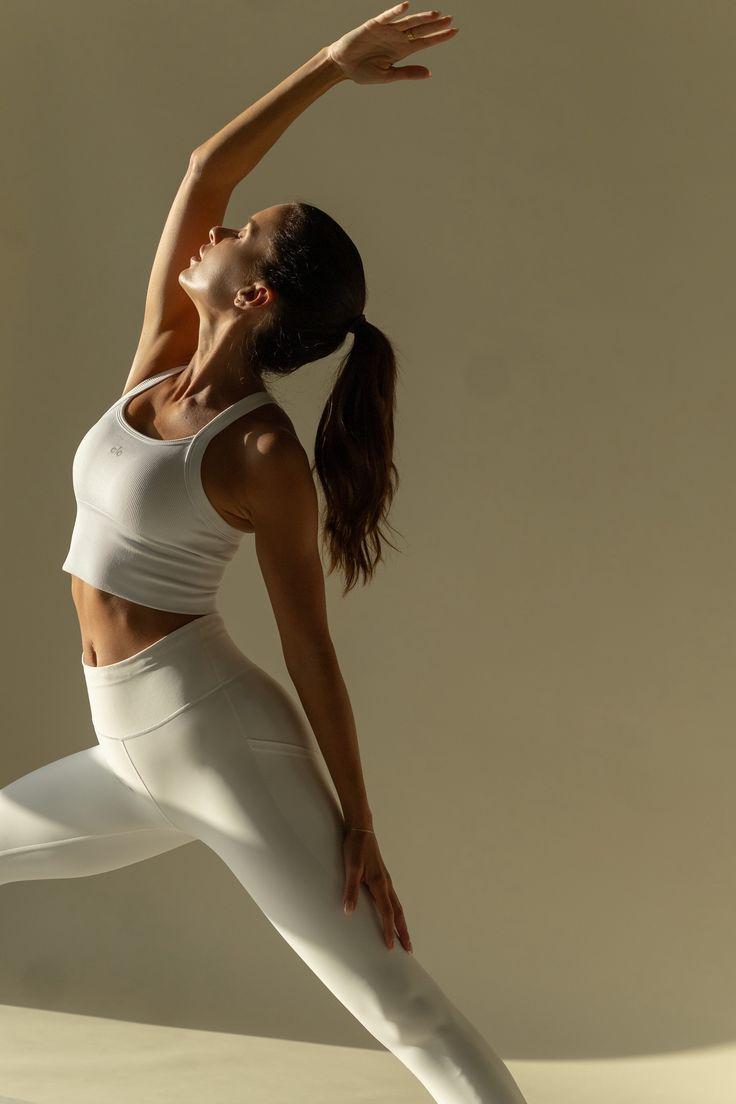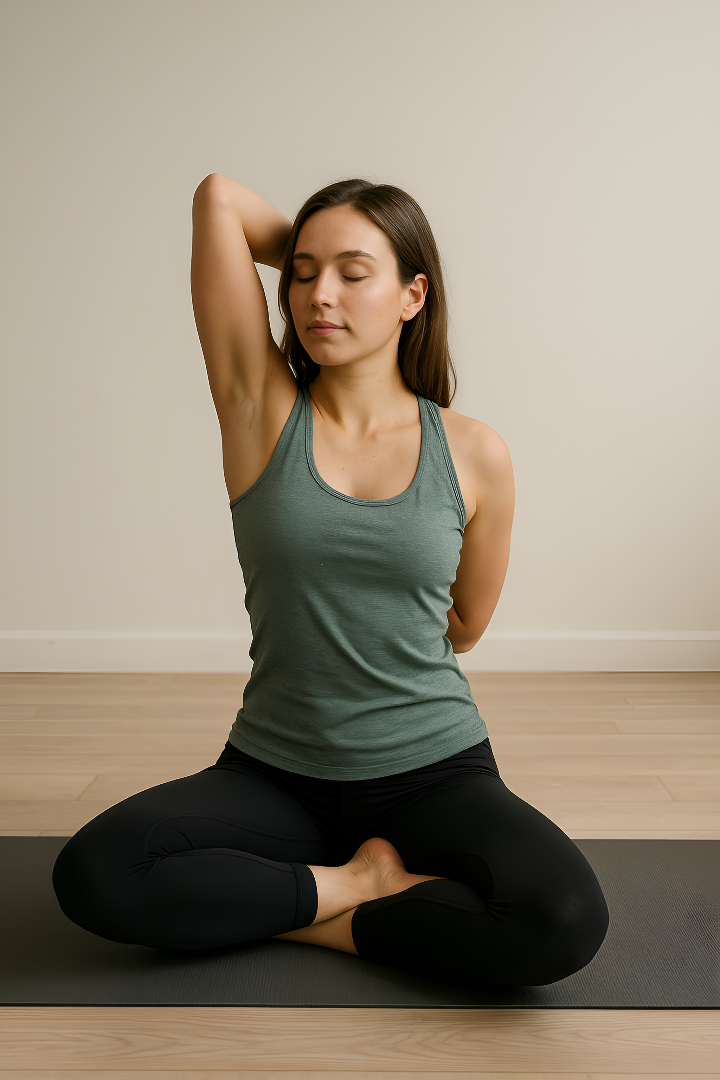
Meditation — The Art of Inner Stillness
Meditation is the ancient art of turning inward, training the mind to achieve a state of calm, focused awareness. Rooted in yogic and Buddhist traditions, meditation is now backed by modern science as one of the most effective practices for reducing stress, enhancing emotional wellbeing, and cultivating clarity and peace in daily life.
Your Complete Meditation Guide
Welcome to the most comprehensive guide to meditation. Whether you are a complete beginner unsure where to start or an experienced meditator looking to explore new techniques, this hub covers ten distinct meditation practices from traditions around the world. Each technique is explained with clear step-by-step instructions, the science behind how it works, practical tips for building a sustainable practice, and guidance on which approach may suit your unique personality and goals. Meditation is not a one-size-fits-all practice — the key is finding the technique that resonates with you. This guide will help you discover your path.
The History & Importance of Meditation
Meditation is one of humanity's oldest mind-body practices, with roots stretching back over 5,000 years to the ancient civilizations of India. The earliest written records of meditation come from the Vedas, the oldest sacred texts of Hinduism, which describe meditative practices (dhyana) as a means of understanding the nature of reality and the self. Meditation was further systematized in Patanjali's Yoga Sutras (circa 400 CE), where dhyana is the seventh limb of the eightfold path of yoga, preceded by asana (postures) and pranayama (breath control) and leading to samadhi (enlightenment). Buddhism emerged around the 5th century BCE with the Buddha's own enlightenment under the Bodhi tree, achieved through deep meditation. The Buddha taught mindfulness (sati) and concentration (samadhi) as essential components of the Noble Eightfold Path. From India, meditation spread across Asia, evolving into diverse traditions such as Zen (China and Japan), Vipassana (Southeast Asia), and Tibetan Buddhist visualizations. In the 20th century, meditation travelled to the West, where it was initially studied as an exotic curiosity and later embraced as a secular wellness practice. Today, meditation is one of the most researched mind-body interventions, with thousands of peer-reviewed studies demonstrating its benefits for mental health, cognitive function, and physical wellbeing. It is practised by millions worldwide, from corporate boardrooms to school classrooms, hospitals to sports teams. Despite its ancient origins, meditation has never been more relevant. In our hyperconnected, fast-paced world, the ability to pause, breathe, and return to the present moment is not just a luxury — it is a necessity for mental and emotional health.
Benefits of Meditation
Reduces Stress & Anxiety
Meditation activates the parasympathetic nervous system, lowering cortisol levels and triggering the relaxation response. Regular practice reduces symptoms of anxiety disorders and helps manage everyday stress.
Improves Focus & Concentration
Training the mind to stay present strengthens attention networks in the brain. Meditators report improved concentration, better memory retention, and reduced mind-wandering during daily tasks.
Enhances Emotional Wellbeing
Meditation cultivates emotional regulation by strengthening the prefrontal cortex and reducing amygdala reactivity. This leads to greater emotional stability, reduced reactivity, and increased positive affect.
Promotes Better Sleep
Practices like yoga nidra and body scan meditation calm the nervous system and prepare the body for deep, restorative sleep. Meditation is widely recommended for insomnia and sleep quality improvement.
Supports Self-Awareness
Meditation develops metacognition — the ability to observe your own thoughts, emotions, and patterns without being caught in them. This self-awareness is the foundation of personal growth and transformation.
Cultivates Compassion
Loving-kindness and compassion meditation explicitly train the capacity for empathy and goodwill. Studies show increased activity in brain regions associated with empathy and reduced implicit bias.
Supports Healthy Aging
Research suggests meditation may slow age-related cognitive decline, reduce inflammation, and even preserve telomere length — a biological marker of cellular aging.
Provides Tools for Pain Management
Mindfulness meditation changes the brain's relationship with pain signals. Practitioners learn to observe pain without resistance, which reduces suffering even when physical sensation remains.
Meditation Technique Categories
Focused Attention Techniques
Practices that train the mind to rest on a single point of focus — the breath, a mantra, a visual object, or a sound
Open Monitoring Techniques
Practices that cultivate moment-to-moment awareness of whatever arises — thoughts, sensations, emotions, or sounds — without attachment
Guided & Relaxation Techniques
Practices led by a teacher or recording that take the practitioner through a structured journey of relaxation and inner exploration
Heart-Centered Techniques
Practices that cultivate positive emotional states such as love, compassion, joy, and equanimity toward oneself and others
Explore All Meditation Techniques
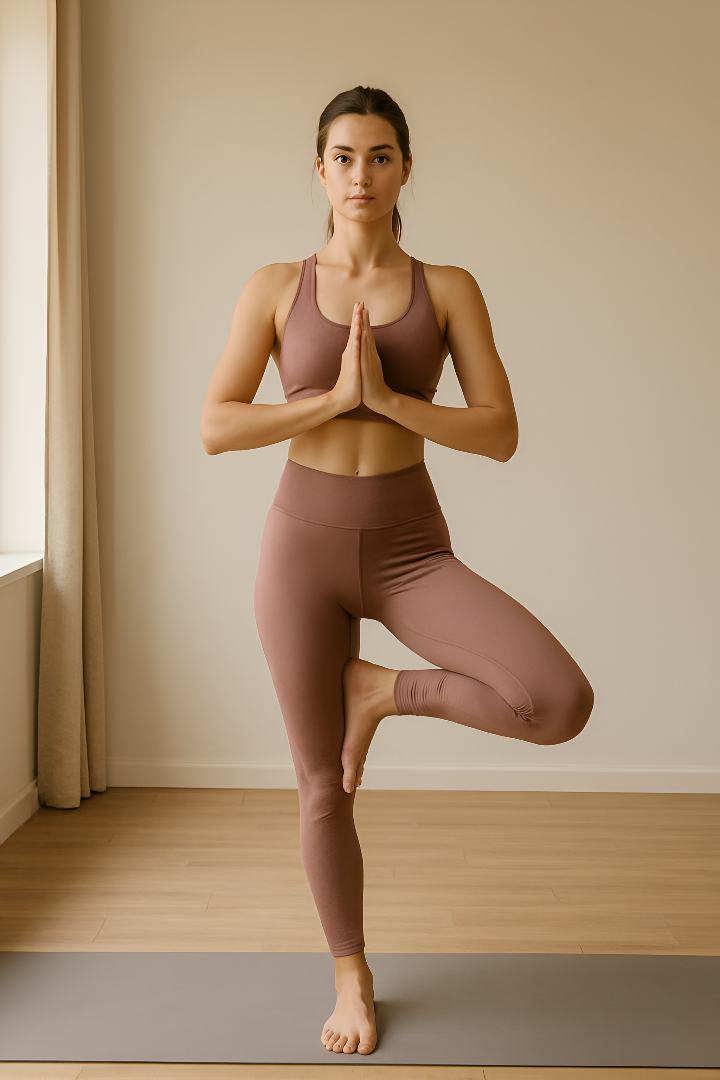
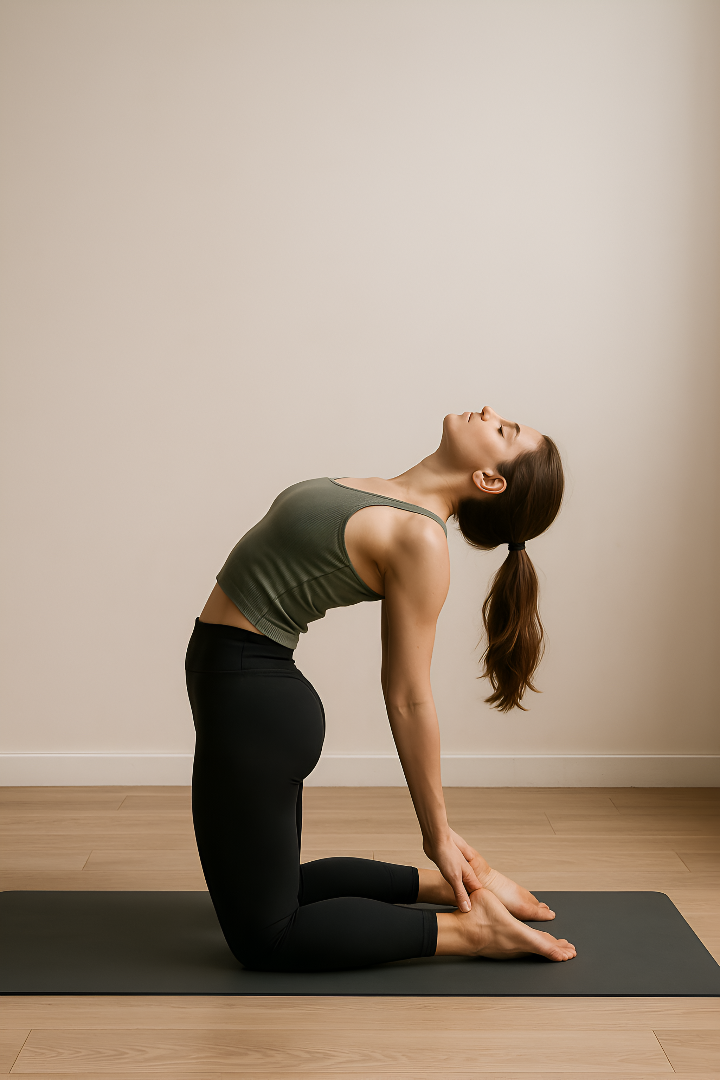
Who Should Practice Meditation
Anyone Seeking Stress Relief
If you feel overwhelmed by the pace of modern life, meditation offers a proven way to activate the relaxation response and restore inner calm. Even five minutes daily can make a difference.
People with Anxiety or Depression
Meditation, particularly mindfulness and loving-kindness, has been shown to reduce symptoms of anxiety and depression. It complements professional mental health care and builds emotional resilience.
Yoga Practitioners
Meditation (dhyana) is the seventh limb of Patanjali's Yoga Sutras. It deepens your yoga practice by cultivating the mental stillness that asana and pranayama prepare you for.
Students & Professionals
Improved focus, memory, and cognitive flexibility make meditation a powerful tool for academic and professional success. Many top performers cite meditation as a key part of their routine.
Seniors
Meditation supports cognitive health, emotional wellbeing, and physical relaxation in later years. It is gentle, accessible, and can be practised by anyone regardless of mobility.
Spiritual Seekers
If you are exploring questions of existence, consciousness, and your place in the universe, meditation provides the direct experiential method for self-inquiry and spiritual discovery.
Athletes & Performers
Mental training is as important as physical training. Meditation improves focus under pressure, emotional regulation, and the ability to enter flow states during competition or performance.
Healthcare & Helping Professionals
Those in caring professions benefit immensely from meditation to prevent burnout, develop empathy, and maintain emotional equilibrium while supporting others.
Meditation Safety Guidelines
Start Gradually
Begin with short sessions of 5 to 10 minutes and increase duration as your practice develops. Trying to meditate for 30 minutes on day one can lead to frustration and discouragement.
Choose a Comfortable Posture
You do not need to sit in full lotus to meditate. Sit on a chair, use cushions, or lie down if needed. The key is a posture that keeps you alert yet relaxed without causing pain.
Be Patient with Your Mind
A wandering mind is normal — it is what minds do. The practice is not about having no thoughts but about noticing when you have wandered and gently returning to your anchor. Each return is a rep of meditation.
Do Not Force Experiences
Meditation is not about achieving special states or experiences. If you try to force relaxation, insight, or bliss, you create tension that defeats the purpose. Let experiences arise naturally.
Seek Guidance for Trauma
Meditation can sometimes bring up suppressed emotions, memories, or discomfort. If you have a history of trauma, consider working with a qualified meditation teacher or therapist who can guide you safely.
Avoid Driving or Operating Machinery
Do not meditate while driving, operating heavy machinery, or in any situation where reduced alertness could be dangerous. The deep relaxation of meditation can impair reaction time.
Consult a Doctor for Mental Health Conditions
If you have a diagnosed mental health condition such as bipolar disorder, schizophrenia, or PTSD, consult your healthcare provider before starting an intensive meditation practice.
Practice Consistently, Not Perfectly
Benefits of meditation accumulate over time through regular practice. Missing a day is fine. What matters is the long-term commitment, not perfection in any single session.
Frequently Asked Questions
इस विषय पर और जानें
इसे अन्य अभ्यासों के साथ जोड़ें
महत्वपूर्ण विषयों पर वापस जाएं
Begin Your Meditation Journey Today
Discover the meditation technique that resonates with you. Gayatri offers personalised guidance to help you build a sustainable practice that fits your unique needs, personality, and lifestyle.