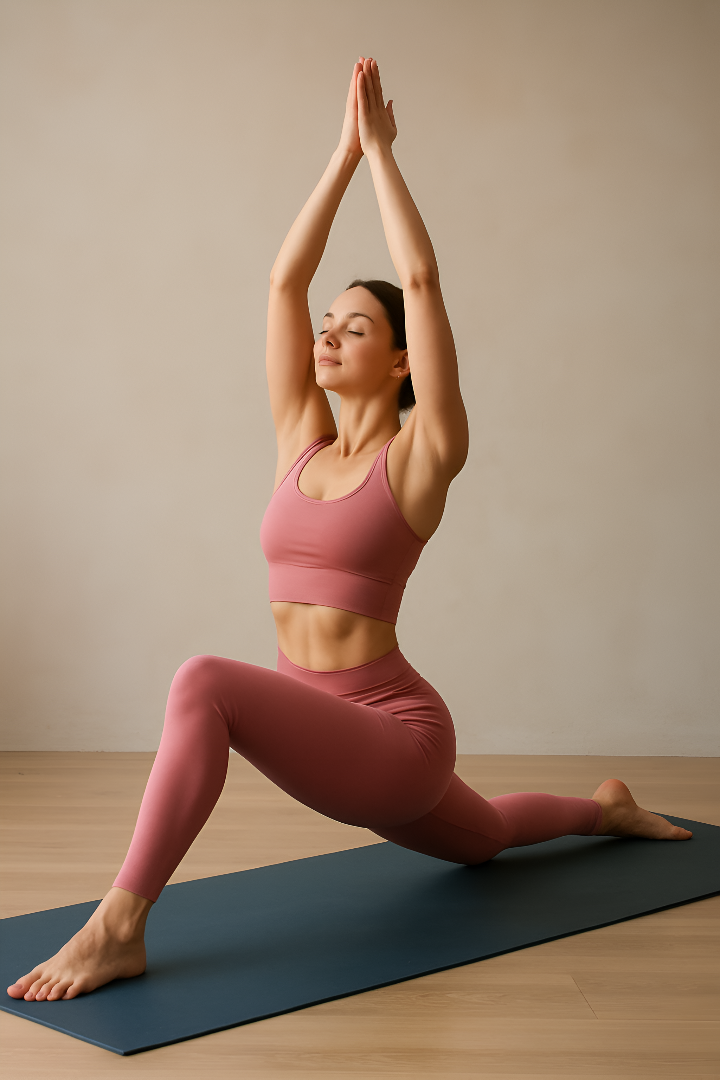
Mantra Meditation — The Power of Sacred Sound
Mantra meditation uses the repetition of a sound, word, or phrase to focus the mind and access deeper states of consciousness. From the ancient Vedic tradition of Om chanting to modern Transcendental Meditation, mantra practices offer a direct path to mental stillness by giving the mind a single, simple object to rest upon.
Quick Overview
A mantra is a syllable, word, or phrase repeated silently or aloud during meditation. The word 'mantra' comes from Sanskrit — 'manas' (mind) and 'tra' (tool or instrument) — literally 'a tool for the mind.' Mantra meditation gives the mind a single point of focus, which prevents it from chasing thoughts. Over time, the repetition becomes more subtle until the mantra may dissolve completely, leaving the mind in a state of pure, objectless awareness. Transcendental Meditation (TM), popularised by Maharishi Mahesh Yogi, is the most well-known mantra-based practice in the West.
What Is Mantra Meditation?
Mantra meditation has its origins in the Vedic tradition of ancient India, where mantras were revealed to sages (rishis) in deep meditative states and preserved in the Vedas, the oldest sacred texts. The most fundamental mantra is Om (Aum), which is considered the primordial sound of creation itself. In mantra meditation, the repetition of the sound serves multiple purposes. It gives the thinking mind a job to do, preventing it from engaging with distracting thoughts. The vibration of the sound (when chanted aloud) has a calming effect on the nervous system. And the associations carried by the mantra can evoke particular qualities — peace, compassion, energy, or wisdom. Mantra meditation is accessible to people of all backgrounds because the mantra is simply a tool, not an object of worship. In Transcendental Meditation, practitioners receive a personalised mantra from a trained teacher and use it silently for 20 minutes twice daily.
Purpose of Mantra Meditation
The purpose of mantra meditation is to lead the mind from its surface-level activity to progressively deeper, quieter levels of consciousness. The mantra acts as a vehicle — you ride the sound inward. As the mind settles, the mantra becomes fainter and more effortless until it may disappear altogether, leaving you in a state of pure awareness. This state, called 'transcendental consciousness' in TM or 'samprajnata samadhi' in yogic philosophy, is one of restful alertness — deeply peaceful yet fully awake. Regular practice of mantra meditation allows this settled state to become more accessible, not just during meditation but throughout daily life.
Benefits of Mantra Meditation
Deeply Calms the Mind
The gentle repetition of a mantra settles mental chatter more quickly than many other techniques. The mind, given a simple task, naturally relinquishes its restless habits.
Reduces Stress & Anxiety
Research on Transcendental Meditation shows significant reductions in cortisol, anxiety, and PTSD symptoms. The deep rest experienced during mantra meditation dissolves accumulated stress.
Improves Focus & Creativity
Regular practice enhances cognitive flexibility, divergent thinking, and the ability to sustain attention. Many creative professionals use mantra meditation to access flow states.
Accessible and Effortless
Mantra meditation does not require watching the breath or observing thoughts — simply repeating the mantra gently. This makes it one of the most accessible techniques for beginners.
Cultivates Inner Silence
Over time, the mantra creates a groove in the mind — a pathway to inner silence that becomes easier to access even outside of formal meditation.
Portable Practice
You can repeat your mantra silently anywhere — while commuting, waiting, or during moments of stress throughout the day.
Preparation for Mantra Meditation
- 1
Choose your mantra. Traditional options include Om, So Hum (I am that), Om Namah Shivaya, or a personally meaningful word like 'peace' or 'love.'
- 2
Sit comfortably with your spine reasonably straight, in a quiet space where you will not be disturbed.
- 3
Close your eyes and take a few deep, settling breaths.
- 4
Set a timer for your desired duration — 15 to 20 minutes is standard for mantra practice.
- 5
Bring your awareness to the area of your heart or throat chakra, where the mantra will resonate.
Step-by-Step Practice
Begin Silent Repetition
Start repeating your chosen mantra silently in your mind. Let it be effortless — a gentle whisper in the mind rather than a forceful command.
Let the Mantra Flow Naturally
Do not try to control the rhythm or speed of the mantra. Let it come at its own pace. It may speed up, slow down, or change quality on its own.
Return Gently When Distracted
When you notice you have stopped repeating the mantra or have become lost in thought, gently return to the mantra without any judgment or frustration.
Allow the Mantra to Refine
As the mind settles, the mantra may become fainter, less distinct, or even disappear. If it disappears, simply rest in the silence. The mantra will return when needed.
Continue for the Duration
Continue this effortless repetition for the full session. Sometimes the mantra will be clear and strong; other times it will be faint and subtle. Both are fine.
Transition Gently Out
When the timer sounds, do not open your eyes immediately. Let the mantra fade naturally. Sit in the silence for a minute or two before slowly returning.
Duration and Practice
The standard duration for mantra meditation is 15 to 20 minutes, twice daily — once in the morning and once in the afternoon or early evening. This is the schedule recommended by Transcendental Meditation teachers. Beginners may start with 10 minutes once daily and gradually build up. Consistency is essential — the effects of mantra meditation are cumulative.
Best Time to Practice
The classic recommendation for mantra meditation is twice daily: once in the morning before breakfast (to set a settled foundation for the day) and once in the late afternoon (to release accumulated stress before the evening). Morning practice is generally considered more important.
Creating a Mantra Environment
A quiet, clean space supports mantra meditation because the mind needs less effort to settle. As your practice stabilizes, you will be able to meditate anywhere, but in the beginning, a consistent, peaceful spot is helpful. Some practitioners enjoy lighting a candle or incense to create a sacred atmosphere.
Breathing Guidance
In mantra meditation, the breath takes care of itself. Do not coordinate the mantra with the breath unless the mantra specifically requires it (like So Hum, where 'So' on the inhale and 'Hum' on the exhale). Let the mantra and breath be independent. As the mind settles, the breath will naturally slow and become more regular.
Common Mistakes
Forcing the Mantra
The mantra should be effortless, like a gentle whisper. If you are straining or concentrating hard, you are trying too much. Relax the effort.
Changing Mantras Frequently
Stick with one mantra for at least a few weeks. The mantra gathers power through repeated use. Changing frequently prevents deepening.
Coordinating with the Breath
Unless your technique explicitly does this (like So Hum), let the mantra and breath be independent. Forcing coordination creates unnecessary effort.
Expecting Immediate Results
The effects of mantra meditation are cumulative over time. Do not judge the practice by any single session.
Thinking You Are Doing It Wrong
If you are gently repeating the mantra and returning to it when distracted, you are doing it correctly. There is no wrong way.
Precautions
Choose Your Mantra Wisely
Avoid mantras with negative associations. Choose a sound or phrase that feels neutral or positive. In TM, mantras are specifically chosen for their calming vibration.
Do Not Over-Effort
Mantra meditation should feel restful. If you are working hard at it, you are defeating the purpose. Ease back and let the mantra do the work.
Avoid During Extreme Fatigue
If you are extremely tired, mantra repetition may lead to sleep rather than meditation. It is better to rest first and meditate when more alert.
Who Should Approach with Caution
OCD Tendencies
Those with obsessive-compulsive patterns may find that mantra repetition feeds into compulsive behaviour. If this resonates, try a non-repetitive technique like mindfulness.
History of Psychosis
Repeating sounds or words internally can be destabilising for those with a personal or family history of psychotic disorders. Consult a mental health professional first.
Tips for Beginners
- 1
Start with the simple mantra 'So Hum' — silently repeat 'So' on the inhale and 'Hum' on the exhale. This naturally coordinates breath and mantra.
- 2
If the mantra feels mechanical or boring, that is fine. You do not need to feel anything special. The repetition itself is doing the work.
- 3
Try chanting the mantra aloud for the first few minutes, then let it become silent. The vibration of audible chanting helps settle the mind.
- 4
Use mala beads (108 beads) to count repetitions if that helps your focus. One repetition per bead.
- 5
Do not worry if you fall asleep during mantra meditation. This simply indicates you need rest. With more rest, your practice will become more alert.
- 6
Explore different mantras to find one that resonates: Om, Om Namah Shivaya, Om Mani Padme Hum, Hare Krishna, or a simple word like 'Shalom' or 'Peace.'
Notes for Advanced Practitioners
At advanced levels, mantra meditation deepens into what is called 'ajapa japa' — repetition without effort. The mantra continues spontaneously in the background of awareness, even when you are not formally practising. This is a sign that the mantra has become established in the deeper layers of the mind. Eventually, even this subtle repetition dissolves, and the practitioner rests in the pure silence that is the source of the mantra. Advanced practitioners may explore bija (seed) mantras associated with the seven chakras: Lam (root), Vam (sacral), Ram (solar plexus), Yam (heart), Ham (throat), Om (third eye), and silence (crown).
Related Practices
Explore More Categories
Frequently Asked Questions
इस विषय पर और जानें
इसे अन्य अभ्यासों के साथ जोड़ें
महत्वपूर्ण विषयों पर वापस जाएं
Ready to Deepen Your Meditation Practice?
Learn these techniques with personalised guidance from Gayatri. A one-on-one session can transform your practice.