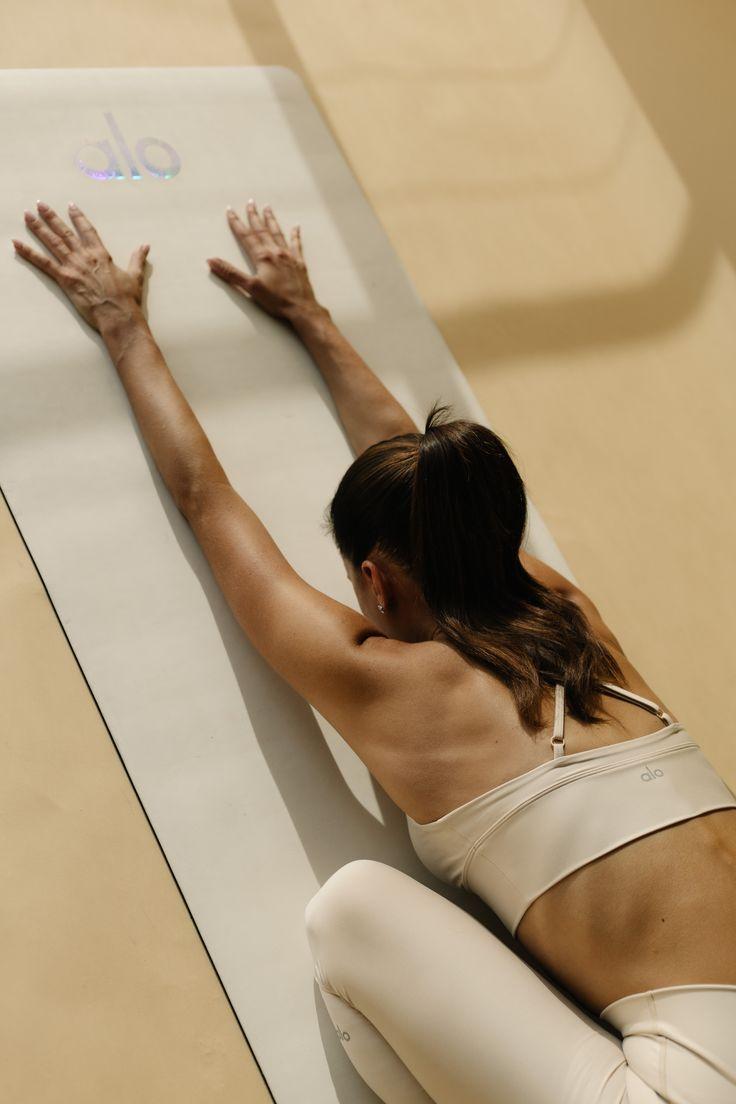
Yoga for Constipation
When things slow down, gentle movement can help get them moving again. Explore compression-and-release poses, soft twists, and simple hydration habits that may support regular, comfortable digestion.
Helping Your Body Find Its Rhythm
Constipation is one of the most common digestive complaints, and it often responds well to simple, consistent habits. Yoga's compression and release poses, gentle twists, and forward folds may stimulate the digestive tract, while hydration and regular practice help your body settle into a steadier rhythm. This guide keeps everything gentle, practical, and kind to your gut.
Understanding Constipation
Constipation happens when bowel movements become infrequent or difficult, often because waste moves too slowly through the large intestine. A sedentary day, low fluids, and a rushed schedule all play a part. Yoga may help by gently compressing and releasing the abdomen — much like a natural massage — which can encourage the gentle wave-like movements the bowel needs to move things along.
Ways Yoga May Support You
Gently Stimulates the Bowel
Compression poses and soft twists press and release the abdomen, which may encourage the digestive tract's natural movements.
Encourages Regular Movement
A consistent daily practice gets the body moving every day, and regularity is one of the best friends of a healthy bowel.
Supports the Gut-Brain Connection
Stress can slow digestion. Calming breath and mindfulness may help the gut and brain work together more smoothly.
Relieves Pelvic Tension
Squatting poses and gentle folds release tension around the hips and pelvis, supporting comfortable elimination.
Recommended Asanas
Lifestyle Suggestions
Hydrate Through the Day
Water is essential for soft, easy-to-pass stool. Aim for steady sips all day, and start the morning with a warm glass of water.
Move After Meals
A short walk after meals supports digestive movement. Gentle practice at least two hours after eating also keeps the gut comfortable.
Add Fibre Gradually
Fruits, vegetables, and whole grains support regularity — but increase them slowly, alongside plenty of water, to avoid bloating.
Respect the Urge
When your body signals, respond. Ignoring the urge regularly can make constipation worse over time.
Practice Precautions
Practice at least two hours after a heavy meal, and let the stomach settle before folding or compressing.
If you have a hernia, stomach ulcer, or IBD, ease off deep compressions and twists and choose gentler variations.
Move slowly out of forward folds and never bounce — keep the spine and belly relaxed throughout.
If constipation is long-lasting, painful, or accompanied by concerning symptoms, it may be a sign of something else — please see a doctor.
When to Consult a Doctor
If constipation lasts more than three weeks despite good hydration, movement, and fibre.
If you have severe abdominal pain, blood in the stool, or unexplained weight loss — these need prompt medical attention.
Remember, yoga complements but never replaces medical care — always follow your doctor's guidance alongside practice.
Frequently Asked Questions
इस विषय पर और जानें
इसे अन्य अभ्यासों के साथ जोड़ें
महत्वपूर्ण विषयों पर वापस जाएं
Begin a Personalised Practice for Your Wellness
Every body is unique. Your first class is free — talk to Gayatri and receive guidance tailored to your needs.