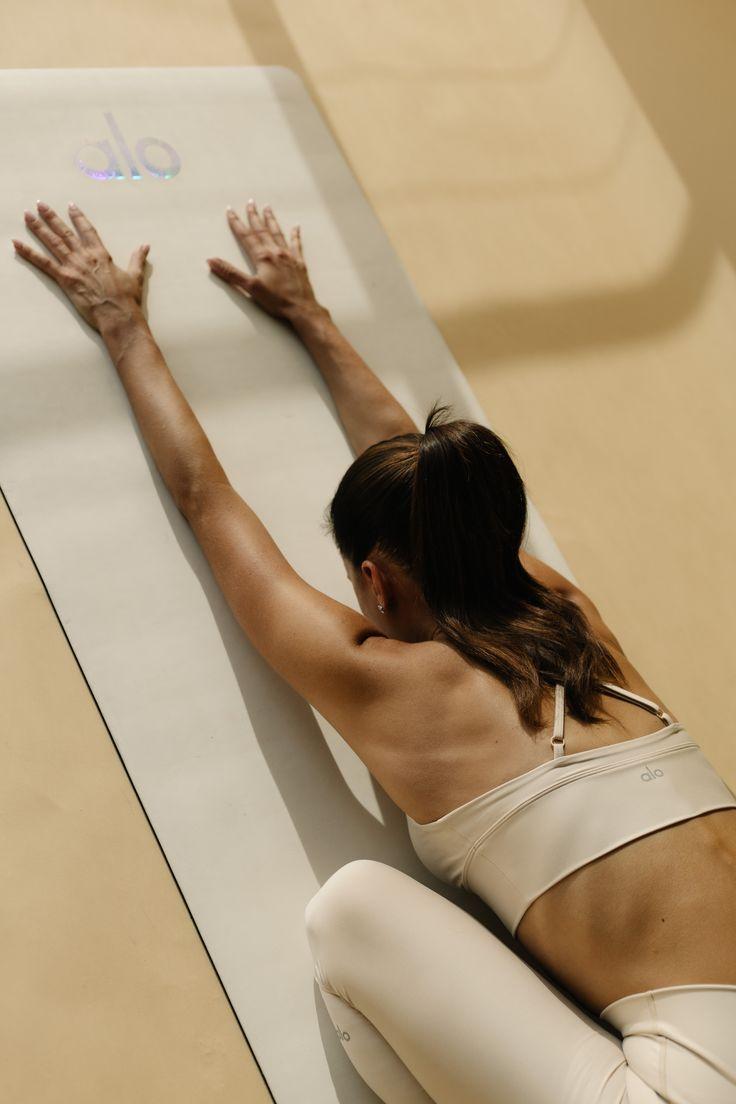
Yoga for Indigestion & Bloating
A heavy, uncomfortable feeling after eating can make the whole day drag. Explore gentle movement, soft twists, and calming breathwork that may support your digestion and help you feel lighter and more at ease.
Gentle Movement for a Settled Stomach
Indigestion and bloating are common, uncomfortable experiences that often follow a heavy meal, rushed eating, or a stressed-out day. Yoga offers gentle, practical tools — soft twists, seated folds, and slow breathing — that may help your digestive system move more comfortably. This guide keeps the approach gentle, because the stomach does its best work when the body is relaxed.
Understanding Indigestion & Bloating
Indigestion happens when the stomach empties slowly or digestive juices are in short supply, often made worse by stress, hurried meals, or eating before sitting still. Bloating is a build-up of gas in the digestive tract that can leave the belly feeling tight and full. Yoga addresses both by soothing the nervous system, which governs digestion, and by gently moving the torso to encourage comfortable digestive flow.
Ways Yoga May Support You
Relaxes the Gut
Slow breathing and gentle poses switch on the rest-and-digest response, helping the digestive system work in a calmer, more settled state.
Massages the Abdomen
Soft twists and forward folds gently wring the abdominal organs, which may help move trapped gas and reduce the feeling of tightness.
Eases Tension
Stress and tension often show up in the belly. Quiet, mindful practice releases that tightness and supports more comfortable digestion.
Encourages Slow Eating
A regular yoga habit brings body awareness to the table, helping you eat more slowly, chew well, and notice when you are comfortably full.
Recommended Asanas
Lifestyle Suggestions
Leave a Gap Before Practice
Practice at least two hours after a heavy meal so the stomach has room to digest. Gentle walking after meals also supports comfortable digestion.
Eat Slowly and Mindfully
Rushed meals swallow air and skip the first steps of digestion. Chew thoroughly, eat without screens, and pause between bites.
Sip Warm Water
Warm water through the day may support digestion and ease bloating better than very cold drinks, especially during meals.
Watch Common Triggers
Notice which foods leave you feeling heavy — beans, onions, or fizzy drinks for some people. A simple food diary can reveal your personal pattern.
Practice Precautions
Practice at least two hours after a heavy meal and at least thirty minutes after a light snack.
During acute pain or a strong bout of bloating, skip twisting poses and rest in gentle, supported postures instead.
Take care with deep twists and compressions if you have a hernia, stomach ulcer, or inflammatory bowel condition.
Move slowly and never force a twist — comfort is the whole point. If a pose worsens discomfort, come out of it and rest.
When to Consult a Doctor
If indigestion or bloating persists for more than two weeks despite diet and lifestyle changes.
If you experience severe or worsening abdominal pain, unexplained weight loss, or blood in your stool.
Remember, yoga complements but never replaces medical care — always follow your doctor's guidance alongside practice.
Frequently Asked Questions
इस विषय पर और जानें
इसे अन्य अभ्यासों के साथ जोड़ें
महत्वपूर्ण विषयों पर वापस जाएं
Begin a Personalised Practice for Your Wellness
Every body is unique. Your first class is free — talk to Gayatri and receive guidance tailored to your needs.