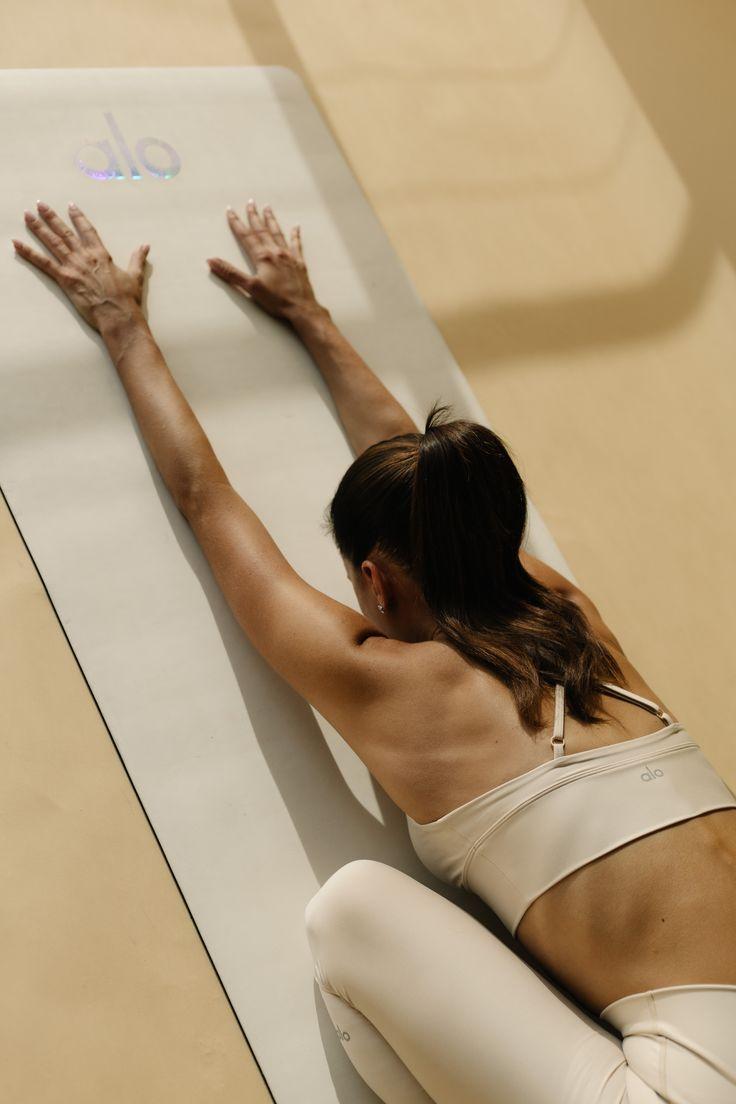
Vakrasana — Twisted Pose
Vakrasana is a gentle seated spinal twist that forms the foundation for deeper twisting postures. The name comes from the Sanskrit vakra meaning twisted or curved. It is one of the simplest twisting poses and is ideal for beginners learning to rotate the spine safely while maintaining an upright seated position.
Quick Overview
Vakrasana is a foundational seated twist that introduces the body to spinal rotation in a safe, controlled manner. In this pose, the legs remain extended forward while the torso twists to one side, with the hands placed on the floor for support. Unlike deeper twisting poses, Vakrasana does not involve binding or bending the knees, making it accessible to practitioners of all levels. Regular practice of this simple twist helps maintain spinal health and prepares the body for more complex rotational postures.
Benefits of Vakrasana
Increases Spinal Flexibility
The gentle rotation of the torso helps maintain and improve the natural range of motion of the spine, particularly in the thoracic region.
Relieves Lower Back Tension
The twisting action gently mobilises the lumbar spine, which may help release stiffness accumulated from prolonged sitting.
Tones the Abdominal Muscles
The oblique muscles engage to support the twist, which may help strengthen the core and improve digestive function.
Improves Posture
Regular practice of seated twists encourages awareness of spinal alignment, which translates into better posture off the mat.
Calms the Mind
The focused rotation and steady breathing required in Vakrasana promote mental clarity and present-moment awareness.
Body Focus
Gentle rotational mobilisation of the entire vertebral column
Expansion and contraction of the intercostal muscles during the twist
Engagement of the oblique muscles to support the rotational movement
Release of tension through gentle lumbar rotation
Opening and relaxation as the arms support the twist
Who Should Practice Vakrasana
Yoga Beginners
Vakrasana is one of the safest and most accessible twisting poses, making it ideal for those new to yoga.
Office Workers
Practicing Vakrasana at a desk can counteract the effects of prolonged sitting by mobilising the spine and releasing back tension.
Older Adults
The gentle nature of the twist makes it suitable for seniors looking to maintain spinal mobility without strain.
Anyone Preparing for Deeper Twists
Vakrasana builds the awareness and spinal flexibility needed for more advanced twisting poses like Marichyasana.
Who Should Avoid Vakrasana
Even gentle twisting may aggravate acute lumbar injuries. Wait until the acute phase has passed before practicing.
The twisting action may strain healing abdominal tissues. Consult a healthcare provider before practicing.
Those with herniated discs, spondylolisthesis, or spinal stenosis should practice only under professional guidance.
Preparation Tips
Sit on a folded blanket to elevate the hips and support a long spine throughout the twist
Warm up with gentle neck rolls and shoulder circles before attempting the twist
Keep both sitting bones grounded evenly — do not let one side lift off the floor
Practice the twist on both sides for equal time to maintain balanced spinal mobility
Step-by-Step Instructions
Sit in Dandasana
Begin with both legs extended forward, feet flexed, and spine long. Ground through the sitting bones.
Place the hands beside the hips
Bring the palms to the floor about six inches behind and beside the hips, fingers pointing forward or slightly outward.
Inhale and lengthen the spine
Reach through the crown of the head, lifting the chest and pressing the sitting bones firmly into the floor.
Exhale and twist to the right
Keeping the hips stable, rotate the torso to the right. Use the left hand to press into the floor and support the rotation.
Place the right hand on the right knee
For a deeper stretch, bring the right hand to rest on the right knee while the left hand continues to support from behind.
Gaze over the right shoulder
Turn the head gently to gaze over the right shoulder, keeping the neck long and the chin parallel to the floor.
Hold and breathe
Stay for 3–5 slow breaths. With each inhale, lengthen the spine. With each exhale, deepen the twist slightly.
Return to centre and repeat on the left
Inhale to unwind to centre. Repeat the same sequence twisting to the left side for the same duration.
Breathing Guidance
In Vakrasana, the breath is your guide to the depth of the twist. Inhale deeply to lengthen the spine and create space between the vertebrae. Exhale fully to rotate a little deeper — the exhalation naturally relaxes the intercostal muscles between the ribs, allowing a greater range of motion. Keep the breath smooth and even; if the breath becomes strained, ease back from the twist until comfortable breathing is restored.
Common Mistakes
Allowing the hips to lift off the floor
Correction: Both sitting bones should remain grounded throughout the twist. If one side lifts, reduce the intensity of the rotation.
Rounding the lower back
Correction: Lengthen the spine before each twist. Elevating the hips on a blanket helps maintain the natural lumbar curve.
Twisting from the waist instead of the spine
Correction: Initiate the twist from the upper back, not the lower back. Imagine rotating the rib cage while keeping the pelvis stable.
Over-rotating the neck
Correction: Turn the head only as far as the rest of the spine allows. The gaze direction should follow the natural rotation of the upper back.
Safety Precautions
The rotation should come from the spine, not the hips. Imagine the hips are anchored in place while the torso rotates above them.
Move smoothly into and out of the twist. Sudden rotational force can strain the spinal muscles and ligaments.
Always twist in both directions for the same amount of time to maintain balanced spinal mobility and muscular symmetry.
Variations & Modifications
Supported Vakrasana
BeginnerSit on a bolster or several folded blankets to significantly elevate the hips, making the twist more accessible for tight hips or lower backs.
Vakrasana with Arm Support
BeginnerPlace a yoga block under the supporting hand if the floor feels too far away, allowing a longer spine in the twist.
Cross-Legged Vakrasana
BeginnerPractice the twist in a cross-legged seat (Sukhasana) for a variation that combines hip opening with spinal rotation.
Related Asanas
Explore Related Categories
Frequently Asked Questions
Keep Exploring This Topic
Jump Back Into What Matters
Master Twisted Pose with Personal Guidance
Your first class is free. Talk to Gayatri and get personalized alignment cues for your practice.