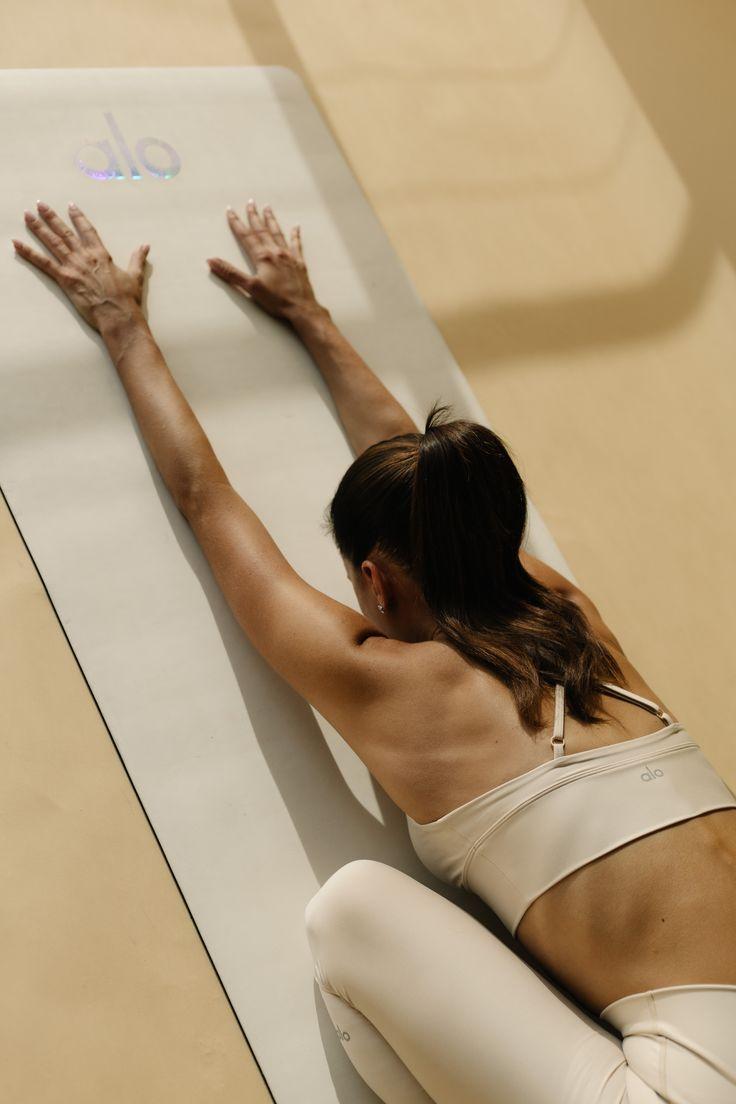
Yoga for Mental Wellness
The mind responds powerfully to the breath and the body. Yoga offers practical, science-backed tools — breathing, meditation, and gentle movement — that may help you feel calmer, sleep better, and navigate stress and low mood.
Tools to Calm the Mind
Stress, anxiety, low mood, and poor sleep are among the most common reasons people come to yoga. This category focuses on the practices with the strongest evidence for mental health — slow breathing, meditation, and restorative movement that quiet the nervous system.
Understanding the Mind-Body Link
Anxiety and stress are nervous-system states — the body's alarm response stuck 'on'. Yoga works directly on this system: slow exhales signal safety, meditation builds the ability to observe thoughts without getting caught in them, and gentle movement releases the physical tension that stress stores in the body.
Ways Yoga May Support You
Activates the Relaxation Response
Slow breathing, especially extended exhales, activates the parasympathetic nervous system — lowering heart rate, blood pressure, and cortisol.
Builds Mindful Awareness
Meditation trains you to notice anxious thoughts without spiraling. Over time, this reduces the intensity and frequency of worry.
Improves Sleep Quality
Yoga Nidra and evening relaxation practices have strong evidence for improving sleep — helping you fall asleep faster and stay asleep longer.
Releases Physical Tension
Stress is stored in the shoulders, jaw, and hips. Restorative poses and gentle stretches help the body literally let go.
Conditions Covered
Who This Category Helps
Overwhelmed Professionals
Five minutes of breathwork can reset a stressful workday. These tools go wherever you go.
People Living with Anxiety
Regular practice builds a sense of control and calm that many find life-changing.
Anyone Struggling to Sleep
Evening yoga and Yoga Nidra offer natural, drug-free support for better rest.
Those Seeking Deeper Calm
Meditation is a skill, and these guides make it approachable for absolute beginners.
Practice Safely
Yoga is a support, not a replacement for treatment. If you have clinical depression, anxiety, or a psychiatric condition, continue your prescribed treatment and keep your mental-health professional informed.
If a practice ever feels overwhelming or brings up distress, stop and return to slow, normal breathing.
Some people find intense breathing (like Kapalbhati or Bhastrika) agitating. Prefer slow practices like Nadi Shodhana instead.
Meditation can surface difficult emotions. Be kind to yourself and consider practicing with guidance.
If you have thoughts of self-harm, seek help immediately from a mental-health professional or helpline.
Frequently Asked Questions
इस विषय पर और जानें
इसे अन्य अभ्यासों के साथ जोड़ें
महत्वपूर्ण विषयों पर वापस जाएं
Support Your Wellness Goals With Yoga
Your first class is free. Talk to Gayatri and get personalized guidance for your needs.