Yoga for High Blood Pressure
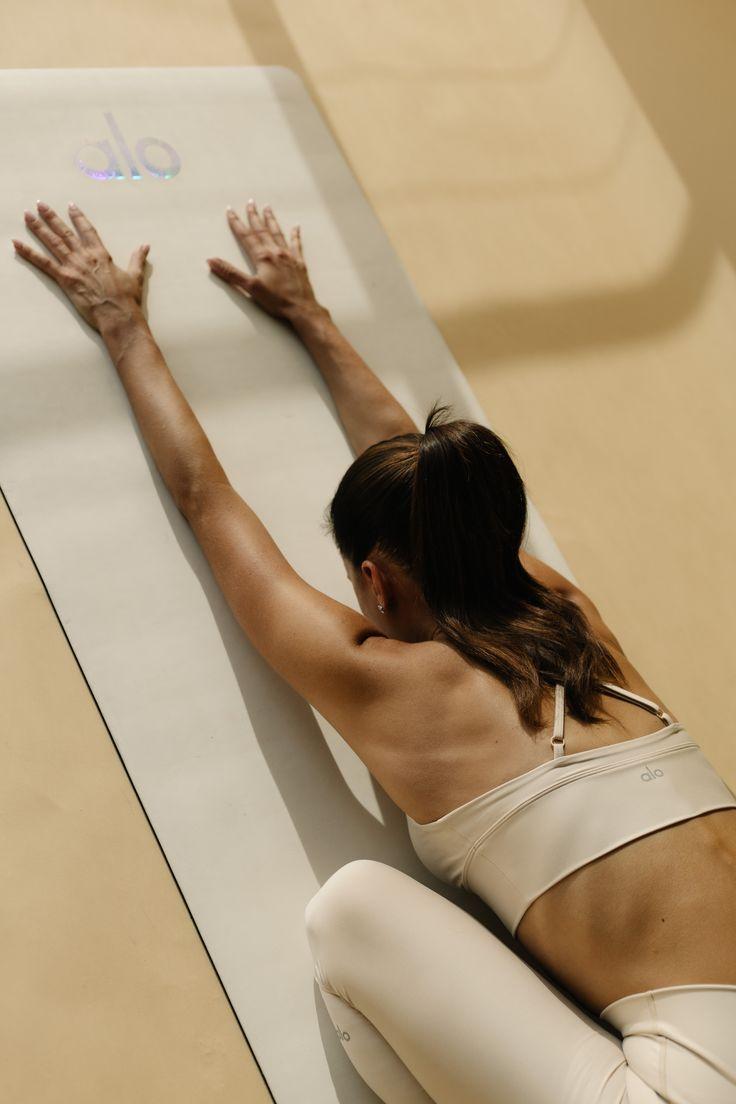
A calm body often means a calmer heart. Explore slow, supported poses and soothing breathwork that may help your nervous system settle — a gentle companion to your blood pressure care.
Slow Down, Breathe Out
High blood pressure is closely tied to stress and a busy nervous system. A practice built around gentle forward folds, supported relaxation, and long slow breathing may help your body feel more at ease. This guide prioritises calm, safety, and awareness — alongside your medical care.
Understanding Blood Pressure
Blood pressure is the force of blood against your artery walls, and it rises naturally with stress, effort, and tension. Chronic pressure reflects ongoing strain on the cardiovascular system. Yoga supports this picture by activating the relaxation response — slowing the heart, easing muscle tension, and helping blood vessels relax through slow, mindful movement and breath.
Ways Yoga May Support You
Activates the Relaxation Response
Slow, supported poses and gentle breathwork calm the nervous system, which may help reduce the tension that keeps blood pressure elevated.
Lowers Stress Hormones
Regular relaxation lowers cortisol and adrenaline, the hormones that raise heart rate and constrict blood vessels.
Improves Circulation
Gentle movement and supported inversions like legs-up-the-wall encourage healthy blood flow and ease strain on the heart.
Builds Body Awareness
Mindful practice helps you notice tension, breathe through effort, and carry a calmer pace into everyday life.
Recommended Asanas
Lifestyle Suggestions
Reduce Daily Stress
Short breathing breaks, gentle walks, and quiet moments help keep the nervous system calm through the day.
Watch Your Sodium
Fewer processed foods and salty snacks may help your blood vessels respond more gently. Read labels and season with herbs.
Move at a Moderate Pace
Choose steady, moderate activity over intense exertion — brisk walking and gentle yoga suit a calm cardiovascular system.
Support Restful Sleep
Quality sleep lets blood pressure dip naturally overnight. Protect a regular, relaxing wind-down routine.
Practice Precautions
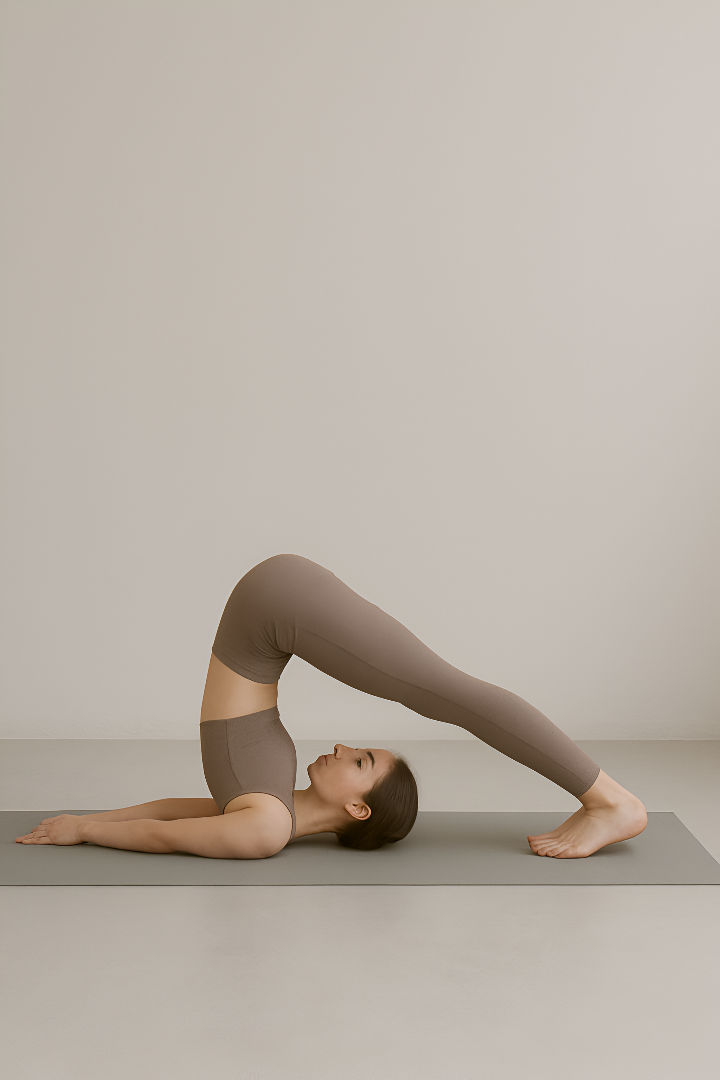
Avoid prolonged inversions such as full shoulder stand or headstand, which may strain blood vessels.
Skip rapid, forceful breathing practices like Bhastrika or Kapalbhati, and never hold the breath during practice.
Rise slowly from forward folds and floor poses to avoid sudden dizzy spells on the way up.
Keep the practice slow and comfortable — stop and rest if you feel breathless, dizzy, or unusually tense.
When to Consult a Doctor
Before starting a new practice, especially if your blood pressure is very high or not yet well controlled.
If you experience chest discomfort, severe headaches, or vision changes — these need prompt medical attention.
Yoga may support blood pressure management but never replaces medication or medical advice. Keep taking your prescribed treatment and inform your doctor about your practice.
Frequently Asked Questions
इस विषय पर और जानें
स्वास्थ्य व कल्याण से संबंधित
इसे अन्य अभ्यासों के साथ जोड़ें
महत्वपूर्ण विषयों पर वापस जाएं
Begin a Personalised Practice for Your Wellness
Every body is unique. Your first class is free — talk to Gayatri and receive guidance tailored to your needs.