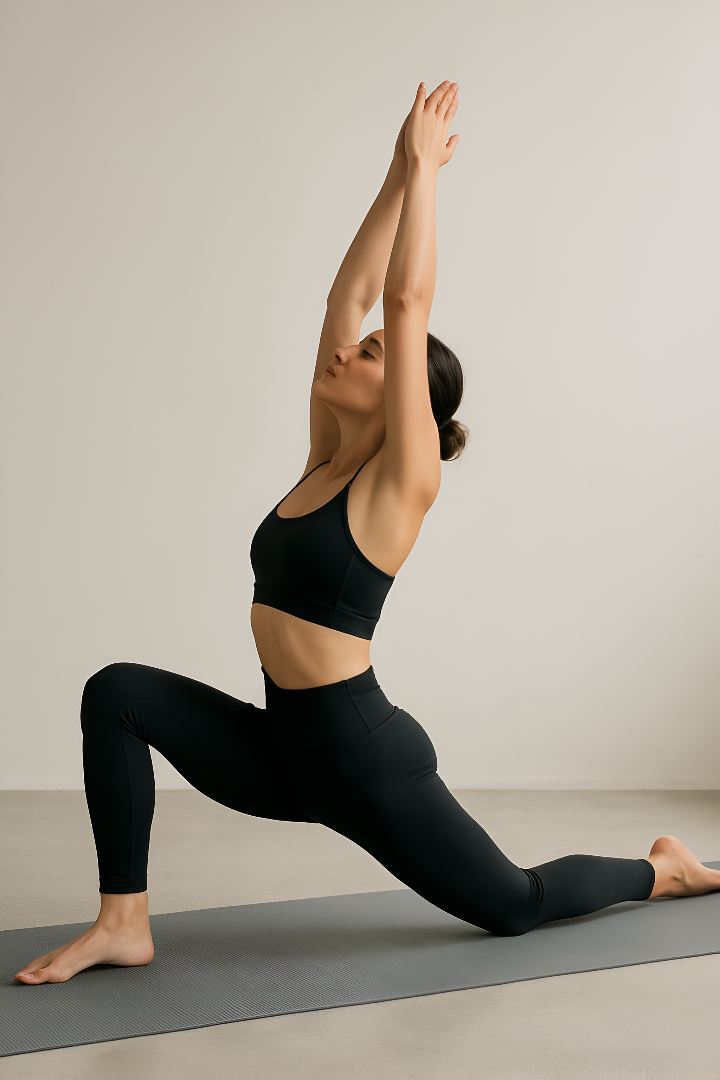
Yoga for Thyroid Conditions
The thyroid sits at the crossroads of energy, mood, and metabolism. Explore gentle throat-opening poses and calming breathwork that may support your thyroid health — as a complement to your medical care.
Gentle Stimulation, Deep Calm
Thyroid conditions often bring fatigue, weight changes, and emotional ups and downs. Yoga supports this picture gently — poses that open the throat region, breathwork that steadies energy, and relaxation that calms the stress so often tangled up with thyroid health. All of it works alongside, never instead of, your treatment.
Understanding the Thyroid
Your thyroid gland produces hormones that regulate energy, body temperature, weight, and mood. When it is underactive or overactive, these systems drift out of balance. Yoga fits in through gentle movement around the neck and throat, improved circulation to the region, and deep stress management — the nervous system and thyroid are closely linked.
Ways Yoga May Support You
Gentle Neck Stimulation
Throat-opening poses bring soft attention and circulation to the neck region, where the thyroid gland sits — offered as gentle support, not treatment.
Calms Stress & Fatigue
Slow breathwork and deep relaxation may ease the exhaustion and emotional strain that often accompany thyroid imbalances.
Supports Energy & Mood
Regular, manageable practice may help lift sluggish energy and steady mood without overtaxing an already tired body.
Encourages Healthy Weight
Gentle muscle engagement and mindful habits support the gradual weight management that thyroid conditions often call for.
Recommended Asanas
Lifestyle Suggestions
Keep Medication Consistent
Take thyroid medication as prescribed, at a consistent time, and share any changes with your doctor.
Manage Stress Daily
Short breathing breaks and gentle walks help keep the stress response, which affects thyroid balance, in check.
Eat a Balanced Diet
A varied diet with enough protein and vegetables supports thyroid function. Ask your doctor about iodine and supplements.
Respect Your Energy
On low-energy days, choose gentle practice and plenty of rest — pushing through may worsen fatigue.
Practice Precautions
Avoid pressing or forcing the neck — throat-opening poses should feel comfortable, never strained.
Practise shoulder stand only with support and a teacher's guidance, and skip it if you have cervical issues or uncontrolled blood pressure.
If you feel dizzy, breathless, or unusually exhausted, rest and lighten the practice rather than pushing through.
Remember yoga is complementary to your thyroid medication — it does not replace it or alter its role.
When to Consult a Doctor
If you suspect a thyroid condition from fatigue, weight, temperature, or mood changes — see a doctor for proper testing before self-managing.
If you notice new symptoms or your thyroid levels shift, share your practice and symptoms with your healthcare team.
Yoga may support thyroid wellbeing but never replaces medication or medical treatment. Continue your prescribed care and keep your doctor informed.
Frequently Asked Questions
इस विषय पर और जानें
स्वास्थ्य व कल्याण से संबंधित
इसे अन्य अभ्यासों के साथ जोड़ें
महत्वपूर्ण विषयों पर वापस जाएं
Begin a Personalised Practice for Your Wellness
Every body is unique. Your first class is free — talk to Gayatri and receive guidance tailored to your needs.