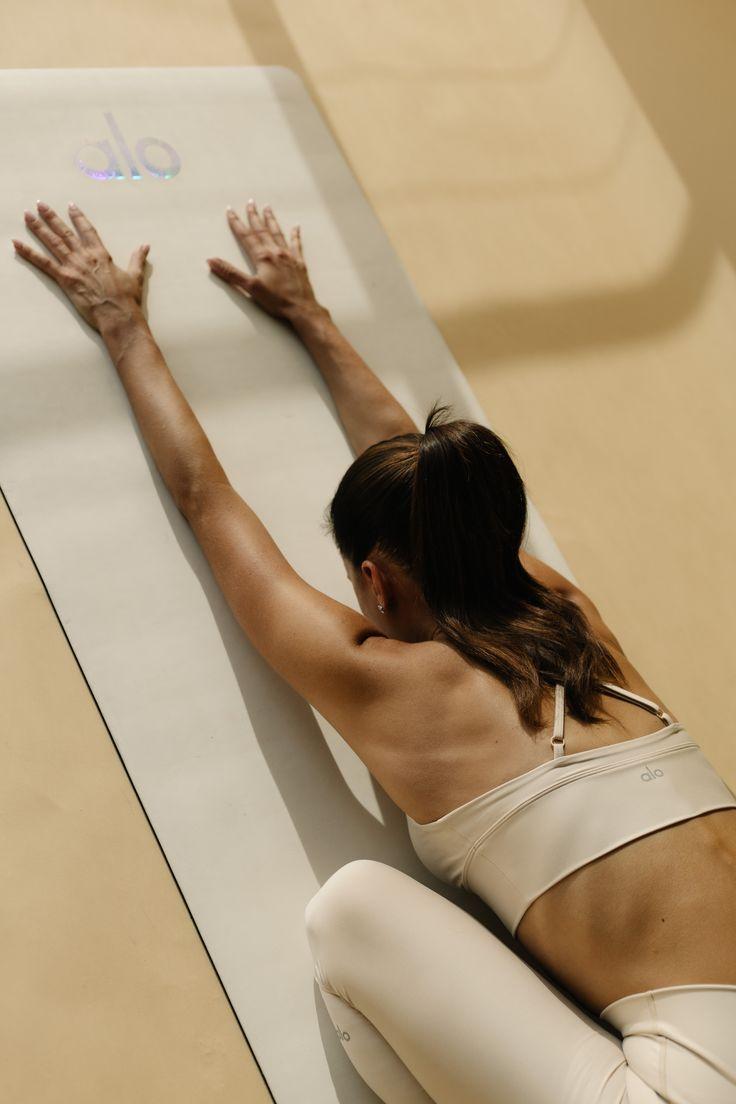
Sarvangasana — Shoulder Stand
Sarvangasana, known as the queen of asanas, is a powerful inversion that places the body in a vertical position supported by the shoulders. This pose is celebrated for its wide-ranging benefits, from improving circulation to calming the nervous system, but it demands careful attention to alignment and proper preparation.
Quick Overview
Sarvangasana is one of the most important inverted poses in Hatha yoga. In this pose, the entire body weight rests on the shoulders, with the neck, back, and legs stacked vertically. The chin is pressed gently against the chest (jalandhara bandha), which stimulates the thyroid and parathyroid glands. Sarvangasana is often practiced before Halasana and as part of a closing sequence in traditional yoga practice.
Benefits of Sarvangasana
Improves Circulation
The inverted position encourages venous return from the lower extremities to the heart, which may support cardiovascular health and reduce swelling in the legs and feet.
Stimulates the Thyroid Gland
The chin lock (jalandhara bandha) applies gentle pressure to the thyroid and parathyroid glands, which may help regulate metabolism and endocrine function.
Calms the Nervous System
Sarvangasana activates the parasympathetic nervous system, promoting relaxation and potentially reducing symptoms of stress and anxiety.
Strengthens the Upper Body
The shoulders, arms, and upper back must engage actively to support the body weight, building strength and stability in the upper body.
Supports Digestive Health
The gentle compression of the abdominal region during Shoulder Stand may stimulate digestive organs and improve elimination.
Body Focus
Support the entire body weight, requiring strength and stability
Remains in a neutral position with gentle traction from the chin lock
Stimulated by the gentle pressure of jalandhara bandha
Receive improved venous return and lymphatic drainage
Gently compressed, which may support digestive function
Who Should Practice Sarvangasana
Experienced Yoga Students
Sarvangasana is suitable for those who have built sufficient upper body and core strength through consistent practice.
People with Sedentary Lifestyles
The inversion counteracts the effects of prolonged sitting by reversing blood flow and relieving pressure on the lower body.
Individuals with Mild Anxiety
The calming effect of this inversion on the nervous system may help those experiencing mild stress or anxiety.
Those Seeking Endocrine Balance
The stimulation of the thyroid gland makes this pose particularly relevant for metabolic health when practiced consistently.
Who Should Avoid Sarvangasana
Sarvangasana places significant pressure on the cervical spine. Individuals with neck injuries, herniated discs, or cervical spondylitis should avoid this pose or practice a supported version using blankets.
Inversions can increase intracranial pressure. Those with uncontrolled hypertension should consult a healthcare provider before practicing Shoulder Stand.
The increase in intraocular pressure during inversions may worsen glaucoma or increase the risk of retinal detachment.
Preparation Tips
Place 2–4 folded blankets under the shoulders to protect the neck and maintain cervical curve
Practice shoulder shrugs and neck stretches before attempting the full pose
Warm up with Setu Bandhasana (Bridge Pose) to prepare the spine and glutes
Enter the pose from a supine position using the core and arms, never by jumping or kicking up
Step-by-Step Instructions
Set up your support
Place 2–4 folded blankets on the mat. Lie down with your shoulders on the blankets and your head resting on the mat. The blankets should support the shoulders, not the neck.
Prepare the body
Lie on your back with arms alongside the body, knees bent, and feet flat on the floor. Press the arms into the mat to stabilize the upper body.
Lift the hips
On an exhalation, press through the arms and lift the hips toward the ceiling, coming into a modified Bridge Pose.
Support the lower back
Bend the elbows and bring the hands to the lower back for support, with fingers pointing upward and elbows hip-width apart.
Walk the feet up
Inhale and lift one leg toward the ceiling, then the other. Walk the hands higher up the back as the body straightens toward vertical.
Stack the body
Engage the core and press the feet toward the ceiling, aiming to create a straight line from the shoulders to the heels.
Establish the chin lock
Gently press the chin toward the chest to create jalandhara bandha. Keep the neck soft and avoid cranking the chin down forcefully.
Hold and breathe
Breathe steadily and evenly for 8–12 breaths. Keep the legs active and the core engaged. To release, slowly lower the feet back to the mat with control.
Breathing Guidance
Breathe in a slow, steady, diaphragmatic rhythm throughout Sarvangasana. The chest and abdomen are compressed in this position, so the breath will naturally become shallower. Focus on smooth, even inhales and exhales through the nose. If you find yourself gasping or holding the breath, you may be overexerting — lower down and rest in Child's Pose before trying again with less intensity.
Common Mistakes
Turning the head to look around
Correction: Keep the head completely still and the gaze soft. Turning the neck while in Shoulder Stand can cause serious cervical injury.
Splaying the elbows wide
Correction: Keep the elbows hip-width apart or closer. Wide elbows reduce upper back support and destabilize the pose.
Pushing through the neck
Correction: The weight should rest on the shoulders and upper arms, not on the neck. Use blankets under the shoulders for proper support.
Kicking up into the pose
Correction: Enter Sarvangasana with control by lifting the hips and legs sequentially. Avoid using momentum, which can strain the neck.
Safety Precautions
Always use a firm mat with proper shoulder support. Soft surfaces like beds can cause the neck to collapse into an unsafe position.
Sarvangasana is contraindicated for those with cervical spine issues, herniated discs, or chronic neck pain unless supervised by an experienced teacher.
Lower the legs sequentially with engaged core. Never collapse out of the pose, as sudden release can strain the neck and lower back.
Variations & Modifications
Supported Sarvangasana (Using a Wall)
BeginnerPractice with the legs resting against a wall at a 90-degree angle, reducing the demand on the upper back while still receiving inversion benefits.
Salamba Sarvangasana (With Props)
IntermediateUse a yoga block under the sacrum and a strap around the upper arms to maintain alignment while building strength for the full pose.
Niralamba Sarvangasana (Unsupported)
AdvancedAn advanced variation where the arms are lifted off the back and extended toward the feet, requiring greater core and upper back strength.
Related Asanas
Explore Related Categories
Frequently Asked Questions
इस विषय पर और जानें
इसे अन्य अभ्यासों के साथ जोड़ें
महत्वपूर्ण विषयों पर वापस जाएं
Master Shoulder Stand with Personal Guidance
Your first class is free. Talk to Gayatri and get personalized alignment cues for your practice.