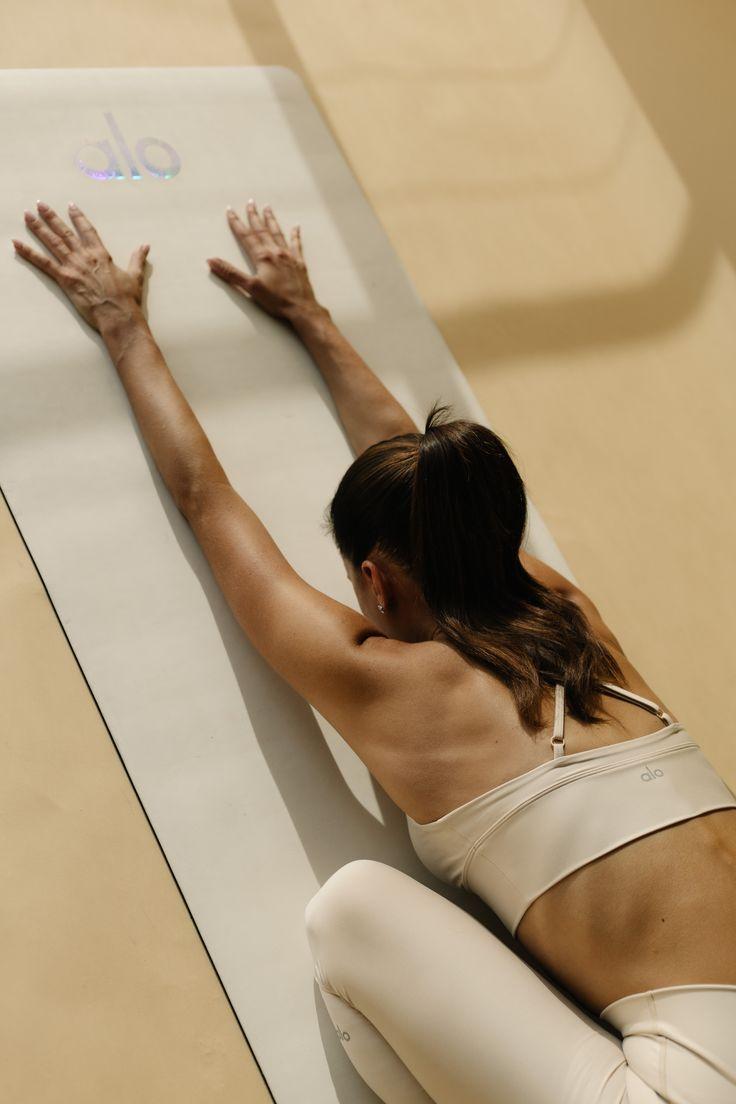
Halasana — Plow Pose
Halasana is a deeply calming inversion where the legs fold over the head, bringing the feet to the floor behind the body. The pose combines the inverted benefits of Sarvangasana with the releasing qualities of a forward fold, making it a transitional posture that soothes the nervous system while stretching the entire back body.
Quick Overview
Halasana is an inverted pose that brings the feet to the floor behind the head, creating a shape resembling a traditional plow. The pose deeply stretches the posterior chain including the hamstrings, calves, and spinal muscles, while the forward folding aspect activates the parasympathetic nervous system. Halasana is traditionally practiced immediately after Sarvangasana as part of a closing sequence.
Benefits of Halasana
Stretches the Entire Back Body
Halasana provides an intense stretch through the hamstrings, calves, glutes, and the entire length of the spine, which may relieve tension and improve flexibility.
Calms the Nervous System
The forward folding aspect of Plow Pose activates the parasympathetic nervous system, promoting relaxation and potentially reducing stress and anxiety.
Stimulates the Abdominal Organs
The compression of the abdomen during Halasana may stimulate digestive organs and support healthy elimination.
Opens the Shoulders
The arm position in Halasana — interlaced fingers and extended arms — stretches the shoulder girdle and improves upper body mobility.
Improves Spinal Flexibility
The sequential articulation of the spine during entry and exit of Halasana promotes mobility through each vertebral segment.
Body Focus
Deeply stretched as the legs extend overhead
Gently flexed, releasing tension in the upper back
Opened and stretched in the interlaced arm position
Compressed, potentially stimulating digestion
Calmed through the forward fold and inverted position
Who Should Practice Halasana
Intermediate Yoga Students
Those with sufficient spinal mobility and neck awareness who can maintain safe alignment in inverted positions.
People with Tight Hamstrings
Halasana provides a deep stretch to the posterior chain and may help improve hamstring flexibility over time.
Individuals Seeking Stress Relief
The calming nature of this forward-folding inversion makes it beneficial for those managing stress or insomnia.
Who Should Avoid Halasana
The extreme neck flexion in Halasana can aggravate herniated discs, whiplash, or cervical spondylitis.
Inversions may increase blood pressure. Those with uncontrolled hypertension should avoid Halasana or practice supported alternatives.
Preparation Tips
Use folded blankets under the shoulders to reduce the angle of neck flexion
Practice Sarvangasana first to warm up the shoulders and prepare the cervical spine
Keep a micro-bend in the knees if the hamstrings feel tight
Place your hands on the lower back for support before lowering the feet to the floor
Step-by-Step Instructions
Lie on your back with arms by your sides
Press the palms into the mat and engage the core to stabilize the lower back.
Lift the legs to 90 degrees
On an exhalation, engage the core and lift both legs to a vertical position, keeping them straight.
Support the lower back
Press the arms into the mat and lift the hips, bringing the legs overhead. Place the hands on the lower back for support.
Lower the feet to the floor
Slowly lower the toes to the floor behind your head. Keep the legs as straight as is comfortable. If the feet do not reach, keep them suspended.
Interlace the fingers
Release the hands from the back and interlace the fingers. Press the arms actively into the mat to open the shoulders.
Refine the alignment
Press the thighs toward the ceiling and the feet actively into the floor. Lift the hips to maintain a vertical line through the torso.
Hold and breathe
Stay for 6–10 breaths, breathing steadily through the nose. To exit, unlace the hands, place them on the back, and roll down vertebra by vertebra.
Breathing Guidance
Breathe deeply and evenly through the nose in Halasana. The abdominal compression makes deep belly breathing challenging, so shift your awareness to the side body and back body expansion. With each inhalation, feel the ribs expand laterally. With each exhalation, soften deeper into the forward fold. Avoid forceful breathing that creates tension in the throat.
Common Mistakes
Turning the head to look sideways
Correction: Keep the head still and the gaze directed toward the navel or thighs. The neck must not rotate while supporting body weight.
Rounding through the lower back
Correction: Engage the core and lift the hips to maintain length in the lumbar spine, even as the upper spine flexes.
Locking the knees
Correction: Keep a soft bend in the knees if the hamstrings are tight. Locked knees can overstretch the hamstring attachments at the sit bones.
Holding the breath
Correction: The compression can make breathing feel restricted. Consciously soften the abdomen slightly to allow diaphragmatic movement.
Safety Precautions
Never practice Halasana on a soft surface. The neck should rest comfortably without bearing excessive weight. Use blankets under the shoulders if needed.
Roll down one vertebra at a time rather than collapsing. Sudden release can strain the neck and lower back.
Variations & Modifications
Ardha Halasana (Half Plow Pose)
BeginnerKeep the feet suspended off the floor with legs at a 45-degree angle, reducing the stretch on the hamstrings and neck.
Parsva Halasana (Side Plow Pose)
IntermediateWalk the feet to the left or right, adding a gentle twist to the spine while maintaining the inversion.
Karnapidasana (Ear Pressure Pose)
AdvancedBring the knees to the ears and fold the arms around the legs for a deeper sense of withdrawal (pratyahara).
Related Asanas
Explore Related Categories
Frequently Asked Questions
इस विषय पर और जानें
इसे अन्य अभ्यासों के साथ जोड़ें
महत्वपूर्ण विषयों पर वापस जाएं
Master Plow Pose with Personal Guidance
Your first class is free. Talk to Gayatri and get personalized alignment cues for your practice.