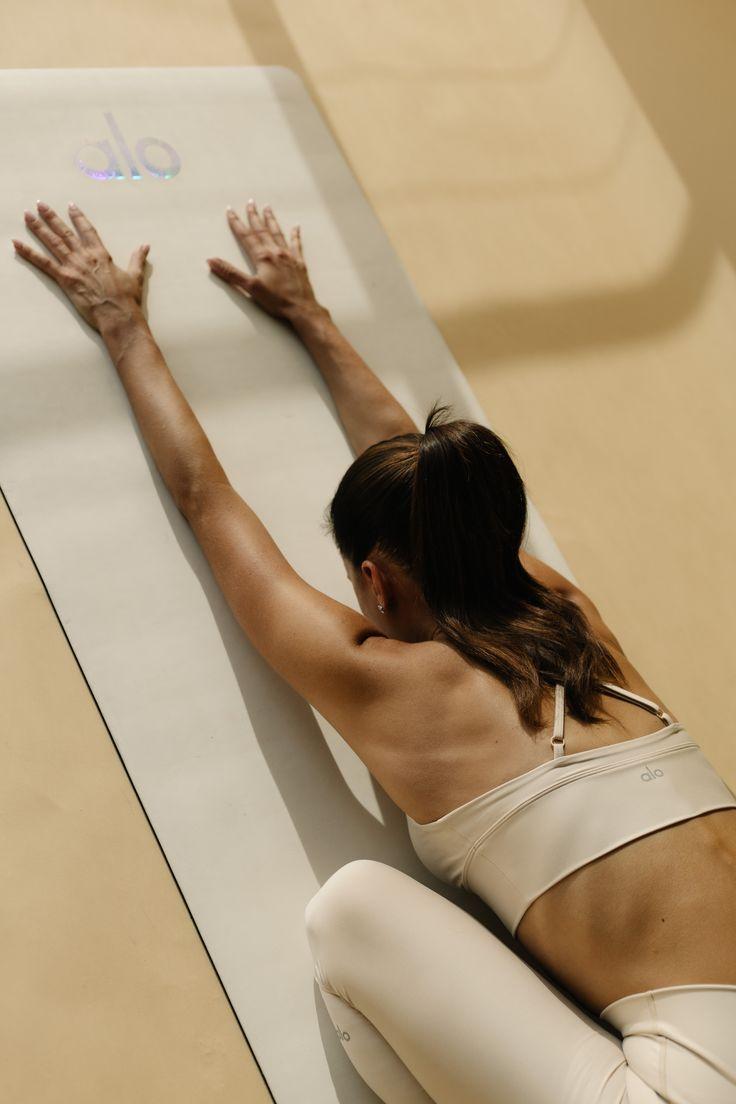
Paschimottanasana — Seated Forward Fold
Paschimottanasana is one of the most fundamental seated forward bends in yoga. The name translates to 'intense stretch of the west' — referring to the entire back side of the body. This calming pose stretches the spine, hamstrings, and shoulders while quieting the mind.
Quick Overview
Paschimottanasana is a seated forward bend that stretches the entire posterior chain — from the heels all the way up to the crown of the head. The pose involves sitting with both legs extended forward and hinging at the hips to bring the torso toward the thighs. Despite appearing passive, this asana requires active engagement of the legs and conscious relaxation of the upper body to achieve a safe, effective stretch.
Benefits of Paschimottanasana
Stretches the Hamstrings & Calves
The forward fold elongates the hamstrings and calf muscles, which may help improve flexibility and reduce tightness in the back of the legs.
Lengthens the Spine
The forward hinge creates space between the vertebrae, which may help relieve tension along the entire spinal column.
Calms the Nervous System
The forward fold position has a naturally soothing effect on the nervous system, potentially helping to reduce stress and promote relaxation.
Stimulates Abdominal Organs
The compression of the abdomen in the forward fold is believed to massage the digestive organs and support healthy digestion.
Improves Postural Awareness
Practicing Paschimottanasana trains the body to hinge from the hips rather than round the lower back, reinforcing healthy movement patterns.
Body Focus
Deep stretch along the entire back of the thighs
Lengthening through the entire spinal column from sacrum to neck
Release of tension as the arms reach forward and the shoulder blades soften
Improved mobility through hip flexion as the pelvis tilts forward
Gentle stretch through the back of the lower legs when the feet are flexed
Who Should Practice Paschimottanasana
Yoga Practitioners of All Levels
Paschimottanasana is a foundational pose accessible to beginners while offering deepening potential for advanced students through refined alignment.
People with Tight Hamstrings
Those who experience tightness in the back of their legs from running, cycling, or prolonged sitting can benefit from regular practice.
Individuals Seeking Stress Relief
The calming, inward-focused nature of the forward fold makes it ideal for those looking to quiet a busy mind.
Desk Workers
Sitting all day shortens the hamstrings and hip flexors — Paschimottanasana counteracts these effects by lengthening the posterior chain.
Who Should Avoid Paschimottanasana
Deep forward folding may aggravate disc conditions. Practice with a blanket under the hips and keep the spine long rather than rounding forward.
Those with hamstring tears or tendinopathy should avoid deep stretching. Bend the knees generously or practice a supported variation.
Deep forward folds may be uncomfortable in later pregnancy. Practice a wide-legged seated forward fold or limit the range of motion.
Preparation Tips
Sit on a folded blanket or cushion to elevate the hips, which helps tilt the pelvis forward and makes the fold more accessible
Keep the feet flexed actively throughout the pose to protect the knees and deepen the hamstring stretch
Warm up with a few rounds of Cat-Cow and gentle seated lateral stretches before attempting the full forward fold
Use a yoga strap around the feet if you cannot reach them — this maintains the length of the spine without straining
Step-by-Step Instructions
Sit with both legs extended forward
Sit on a blanket or directly on the mat with both legs straight in front of you. Flex the feet actively, pressing the heels away and drawing the toes back toward the body.
Root through the sitting bones
Press the sitting bones firmly into the floor. This creates a stable foundation and helps tilt the pelvis forward.
Inhale and lengthen the spine
Reach the crown of the head toward the ceiling, lifting through the entire front torso. Keep the chest open and the shoulders relaxed.
Exhale and hinge at the hips
Keeping the spine long, hinge forward from the hip joints — not the waist. Lead with the chest rather than the head.
Reach for the feet or shins
Take hold of the feet, ankles, or shins — wherever your hands comfortably reach. Keep the elbows bent and pointing out to the sides.
Relax the upper body
Allow the head and neck to release softly. Relax the jaw, shoulders, and upper back. The movement comes from the hips, not the upper body.
Hold and breathe
Stay in the pose for 5–10 breaths. With each inhale, lengthen the spine slightly. With each exhale, release a little deeper into the fold.
Breathing Guidance
Use the inhale to lengthen the front torso and create space in the spine. Use the exhale to hinge a little deeper from the hips — the forward fold deepens naturally with each exhale because the intercostal muscles relax. Breathe slowly and evenly, letting the breath guide the depth of the pose rather than forcing the stretch.
Common Mistakes
Rounding the lower back excessively
Correction: Hinge from the hips, not the waist. Imagine the belly lowering toward the thighs while the chest stays open and the spine long.
Pulling with the arms
Correction: The arms are passive — use them to hold the feet gently while the forward fold comes from hip flexion. Avoid yanking yourself forward.
Locking the knees
Correction: Keep a micro-bend in the knees if the hamstrings are tight. Straight legs are not the goal — a long spine is.
Holding the breath
Correction: The tendency to hold the breath when stretching deeply is common. Consciously soften the breath to allow the body to release.
Safety Precautions
Sitting on a blanket or block helps tilt the pelvis forward and reduces strain on the lower back, especially for those with tight hamstrings.
There is no benefit to forcing straight legs at the expense of the spine. Keep the knees bent as much as needed to maintain a long back.
Move slowly and mindfully into the fold. Quick, jerky movements can strain the hamstrings and lower back.
Variations & Modifications
Supported Paschimottanasana
BeginnerPlace a bolster or rolled blanket across the thighs to rest the forehead on, allowing a fully supported passive forward fold.
Wide-Legged Seated Forward Fold (Upavistha Konasana)
BeginnerOpen the legs wide while keeping the feet flexed, and fold forward between them for a deeper inner thigh stretch.
Paschimottanasana with a Strap
BeginnerLoop a yoga strap around the feet and hold the ends of the strap to maintain spinal length while deepening the fold gradually.
Related Asanas
Explore Related Categories
Frequently Asked Questions
इस विषय पर और जानें
इसे अन्य अभ्यासों के साथ जोड़ें
महत्वपूर्ण विषयों पर वापस जाएं
Master Seated Forward Fold with Personal Guidance
Your first class is free. Talk to Gayatri and get personalized alignment cues for your practice.