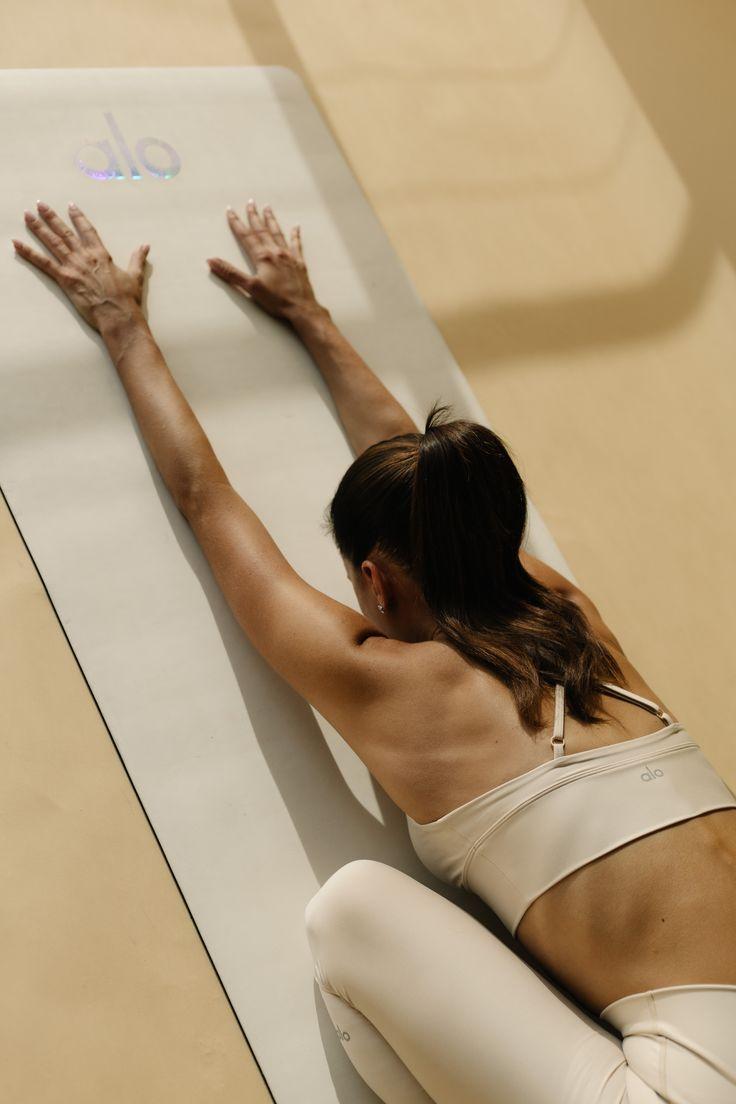
Forward Bend Asanas
Forward bends are introspective, calming poses that stretch the entire posterior chain — from the heels through the hamstrings, spine, and neck. They teach surrender and patience while releasing physical and emotional tension held in the back body.
What Are Forward Bend Asanas?
Forward bend asanas are poses where the torso folds toward the legs, either in a standing or seated position. They are unique among asana categories for their calming effect on the nervous system — forward folds activate the parasympathetic nervous system, reducing cortisol levels and promoting relaxation. These poses primarily stretch the hamstrings, calves, and spinal extensors while compressing the abdomen, which stimulates digestive organs and improves circulation to the pelvic region.
Why Practice Forward Bend Asanas?
Forward bends counteract the forward-folding posture of modern life done incorrectly — instead of rounding through the shoulders and collapsing the chest, proper forward bends originate from the hips with a long spine. They stretch the hamstrings and calves, which tend to shorten from prolonged sitting, and decompress the lower back. Forward folds are also deeply grounding; the inward focus and bowed head create a sense of safety and introspection that makes them ideal for the beginning or end of a practice session.
Benefits of Forward Bend Asanas
Calms the Nervous System
Forward folds activate the parasympathetic nervous system, lowering heart rate, reducing stress hormones, and promoting deep relaxation.
Stretches the Posterior Chain
Forward bends lengthen the hamstrings, calves, and spinal extensors — muscles that tighten from prolonged sitting and inactivity.
Improves Digestion
The abdominal compression in forward folds stimulates digestive organs, improving blood flow and peristalsis in the gut.
Relieves Lower Back Tension
By stretching the hamstrings and decompressing the lumbar spine, forward bends alleviate common causes of lower back pain.
Cultivates Patience & Surrender
Forward folds teach the art of letting go — both physically releasing into a stretch and mentally surrendering the need for immediate results.
Explore All *Asanas*
Who Should Practice Forward Bend Asanas
Stress-Prone Individuals
Forward folds are among the most calming yoga poses, making them ideal for those managing anxiety, insomnia, or chronic stress.
Runners & Cyclists
These athletes develop tight hamstrings and hip flexors — forward bends systematically stretch these muscle groups, improving performance.
Office Workers
Prolonged sitting shortens the hamstrings and tightens the lower back. Forward folds counteract these effects and improve posture.
Anyone with Lower Back Pain
When tight hamstrings pull on the pelvis, lower back pain often results. Forward bends address this root cause.
Meditation Practitioners
Forward bends calm the mind and prepare the body for seated meditation by releasing physical tension and quieting mental chatter.
Safety Tips for Forward Bend Asanas
Always initiate forward folds from the hips, not the lower back — keep the spine long and avoid rounding through the lumbar region.
Bend your knees as needed in standing forward folds to protect the hamstrings and lower back — straightening comes with time.
Never bounce or jerk in forward bends — move slowly and breathe into the sensation of the stretch.
If you have a herniated disc or sciatica, practice forward folds with extreme caution or under professional guidance.
Use blocks under the hands in standing forward folds to bring the floor closer and reduce strain on the hamstrings.
Come up from forward folds slowly with a flat back to prevent dizziness and protect the spine.
Explore Related Categories
Frequently Asked Questions
इस विषय पर और जानें
इसे अन्य अभ्यासों के साथ जोड़ें
महत्वपूर्ण विषयों पर वापस जाएं
Ready to Practice These Asanas?
Your first class is free. Talk to Gayatri and get personalized guidance for your practice.