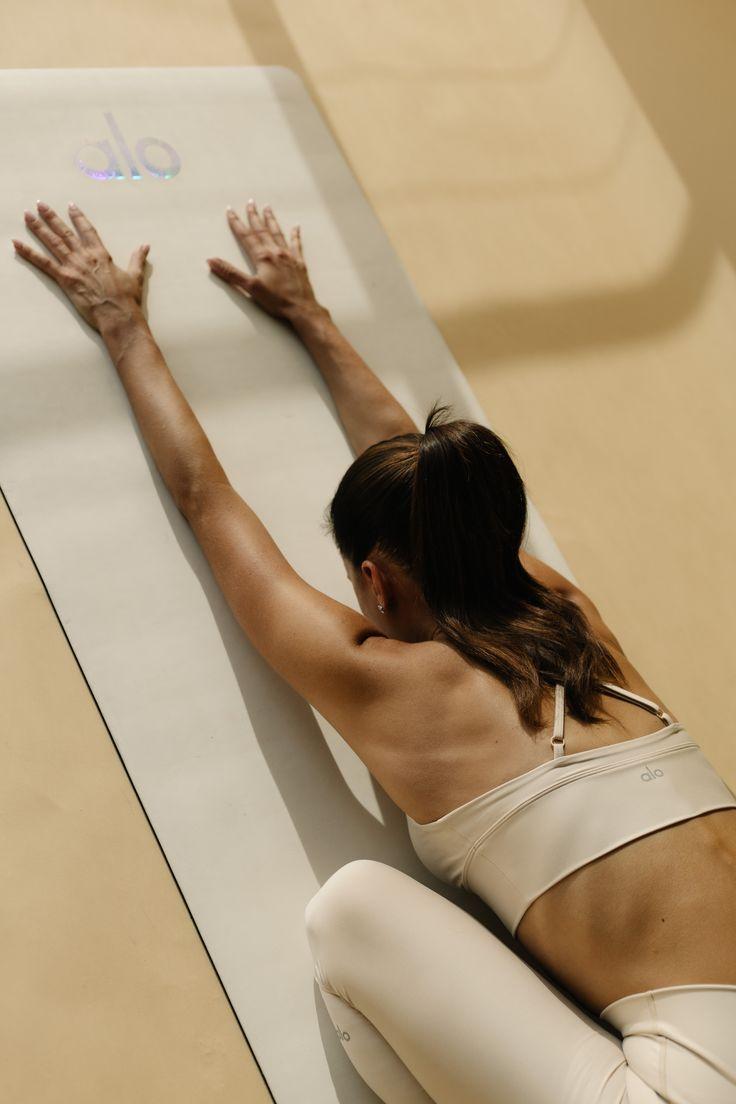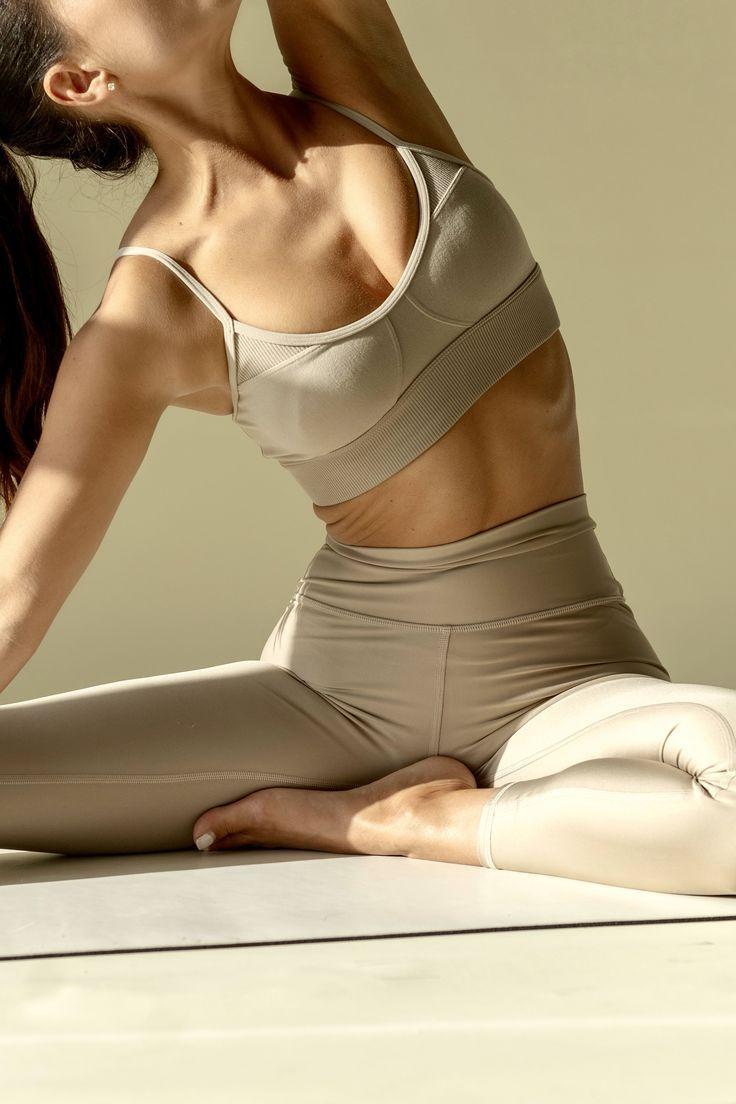
Sitting Asanas
Seated poses form the foundation of meditation practice and develop flexibility in the hips, groins, knees, and spine. These asanas teach us to find steadiness and ease while sitting, preparing the body for extended periods of meditation and breath work.
What Are Sitting Asanas?
Sitting asanas are postures performed while seated on the floor, typically with the legs crossed, extended, or folded. They are fundamental to yoga practice because they develop the flexibility and stability needed for comfortable meditation. Many seated poses target the hips, which tend to be tight from modern sedentary lifestyles. By systematically opening the hips, groins, and hamstrings, seated poses improve posture, relieve lower back tension, and create the physical ease necessary for pranayama and meditation practice.
Why Practice Sitting Asanas?
Seated poses are essential for both physical and meditative practice. Physically, they increase mobility in the hips, knees, and ankles while strengthening the spine and back muscles. Mentally, seated poses teach stillness and patience — qualities that transfer directly to meditation. Because seated poses are less demanding than standing or balancing poses, they allow practitioners to turn their attention inward and explore subtle sensations in the body. They are also excellent cool-down poses at the end of an active practice session.
Benefits of Sitting Asanas
Increases Hip Flexibility
Seated poses systematically open the hip joints, releasing tension accumulated from prolonged sitting and improving overall mobility.
Improves Posture
Regular practice of seated poses strengthens the spinal erectors and teaches proper sitting alignment that carries into daily life.
Prepares for Meditation
Seated asanas train the body to remain comfortable and still for extended periods, creating the physical foundation for meditation.
Calms the Nervous System
The forward-focused and grounded nature of seated poses activates the parasympathetic nervous system, promoting relaxation.
Strengthens the Lower Back
Many seated poses require active spinal engagement, building strength in the muscles that support the lumbar spine.
Explore All *Asanas*
Who Should Practice Sitting Asanas
Meditation Practitioners
Seated poses are essential for anyone who wants to sit comfortably for meditation without distraction from physical discomfort.
People with Tight Hips
Sitting asanas systematically release tension in the hip joints, counteracting the effects of prolonged sitting at desks.
Yoga Practitioners of All Levels
Seated poses are accessible to all levels and form an essential part of a balanced yoga practice sequence.
Seniors & Those with Limited Mobility
Many seated poses can be performed on a chair or with props, making them accessible for seniors and those with physical limitations.
Pranayama Practitioners
Seated poses provide the stable, upright foundation needed for effective breath control practices.
Safety Tips for Sitting Asanas
Always sit on a folded blanket or cushion if your hips are tight — elevating the pelvis helps the knees drop and protects the lower back.
Never force the knees toward the floor in cross-legged poses — let gravity and time do the work of opening the hips.
Avoid Padmasana and advanced cross-legged poses if you have knee injuries — practice Sukhasana or use a chair instead.
Keep the spine long in seated poses — imagine a string pulling the crown of your head toward the ceiling.
Use blocks under the knees in Baddha Konasana if they do not reach the floor comfortably.
Enter and exit seated poses slowly and with awareness, especially if you have any knee or hip conditions.
Explore Related Categories
Frequently Asked Questions
इस विषय पर और जानें
महत्वपूर्ण विषयों पर वापस जाएं
Ready to Practice These Asanas?
Your first class is free. Talk to Gayatri and get personalized guidance for your practice.