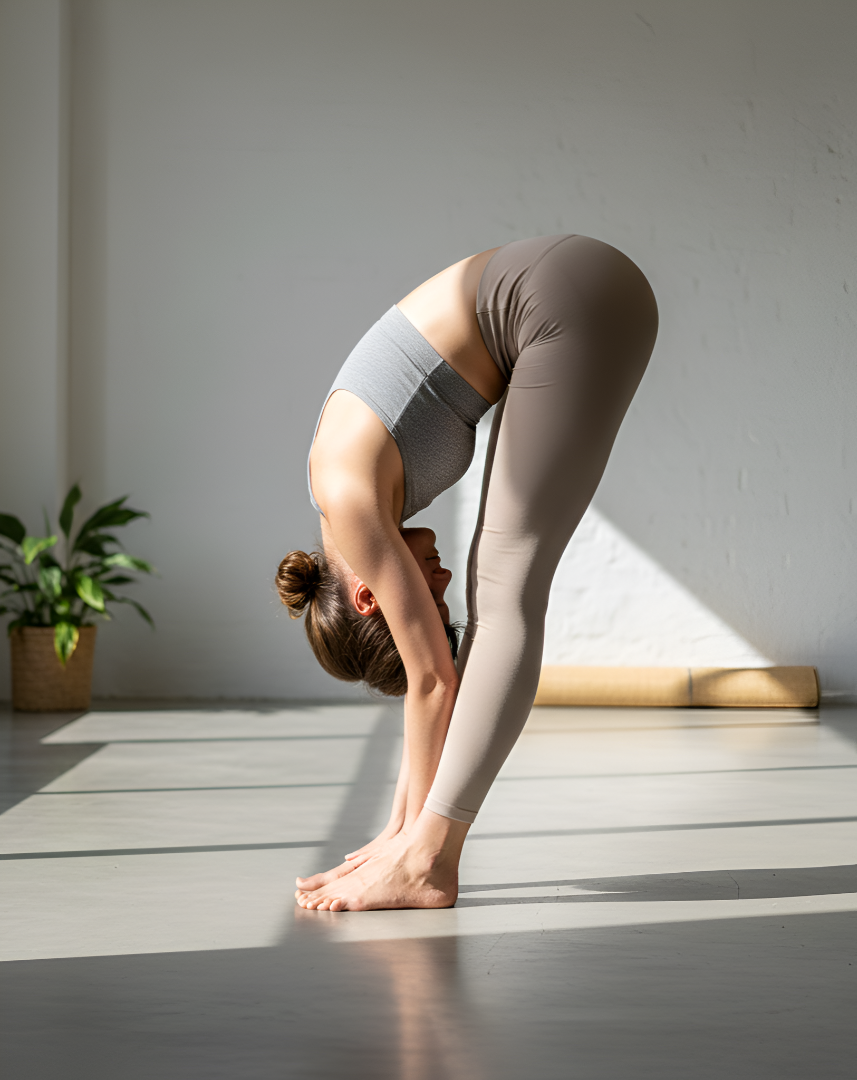
Yoga for Blood Sugar & Diabetes Support
Steady movement, calmer stress, and consistent habits all influence blood sugar. Explore asanas, breathwork, and meditation that may support your body's natural balance — alongside your medical care.
Steady Practice, Steadier Energy
Blood sugar responds to movement, stress, and the foods we choose — often in gentle, gradual ways. This guide shares practices that may help improve insulin sensitivity, support healthy weight, and calm the stress that can destabilise glucose. It is designed to complement, never replace, your diabetes care plan.
Understanding Blood Sugar
Blood sugar reflects how well your body uses insulin to move glucose from the bloodstream into your cells. Regular movement, balanced weight, and lower stress each support this process. Yoga fits in beautifully — moderate asanas build the muscle that takes up glucose, while breathwork and meditation calm the stress hormones that can push blood sugar up.
Ways Yoga May Support You
Improves Insulin Sensitivity
Regular moderate practice activates the large muscle groups that help the body use glucose more efficiently, which may support steadier blood sugar levels over time.
Supports Healthy Weight
Standing poses and flowing sequences burn energy and build lean muscle — both may help with the gradual, sustainable weight changes that benefit glucose control.
Lowers Stress Hormones
Calming breathwork and meditation reduce cortisol, the stress hormone linked to blood sugar spikes. A calmer nervous system may mean steadier levels through the day.
Builds Daily Consistency
A short, enjoyable practice is easier to keep up than a demanding routine — and consistency is one of the strongest supports for long-term blood sugar health.
Recommended Asanas
Lifestyle Suggestions
Move After Meals
A short walk or gentle stretch 15–20 minutes after eating may help your body manage the post-meal rise in blood sugar.
Eat for Steady Energy
Balance meals with fibre, protein, and healthy fats to slow glucose absorption and reduce sharp spikes.
Prioritise Sleep
Poor sleep disrupts insulin sensitivity. Aim for 7–8 hours of restful sleep to support steady blood sugar.
Monitor Around Practice
Check your blood sugar before and after practice, especially when starting, and note how different intensities affect you.
Practice Precautions
Monitor your blood sugar around practice and avoid vigorous sessions when levels are very high or very low.
Carry a fast-acting snack and keep it nearby in case blood sugar dips during or after your practice.
Start with gentle, moderate practice and increase intensity gradually to avoid sudden swings in glucose.
If you have diabetes-related nerve or eye changes, avoid high-impact poses and consult your doctor first.
When to Consult a Doctor
Before starting a new yoga routine, especially if you take insulin or medication that may lower blood sugar.
If you experience frequent lows, unexplained high readings, or dizziness during practice — speak to your healthcare team promptly.
Yoga may support blood sugar balance but never replaces medical care. Continue your treatment plan and keep your doctor informed of your practice.
Frequently Asked Questions
इस विषय पर और जानें
स्वास्थ्य व कल्याण से संबंधित
इसे अन्य अभ्यासों के साथ जोड़ें
महत्वपूर्ण विषयों पर वापस जाएं
Begin a Personalised Practice for Your Wellness
Every body is unique. Your first class is free — talk to Gayatri and receive guidance tailored to your needs.