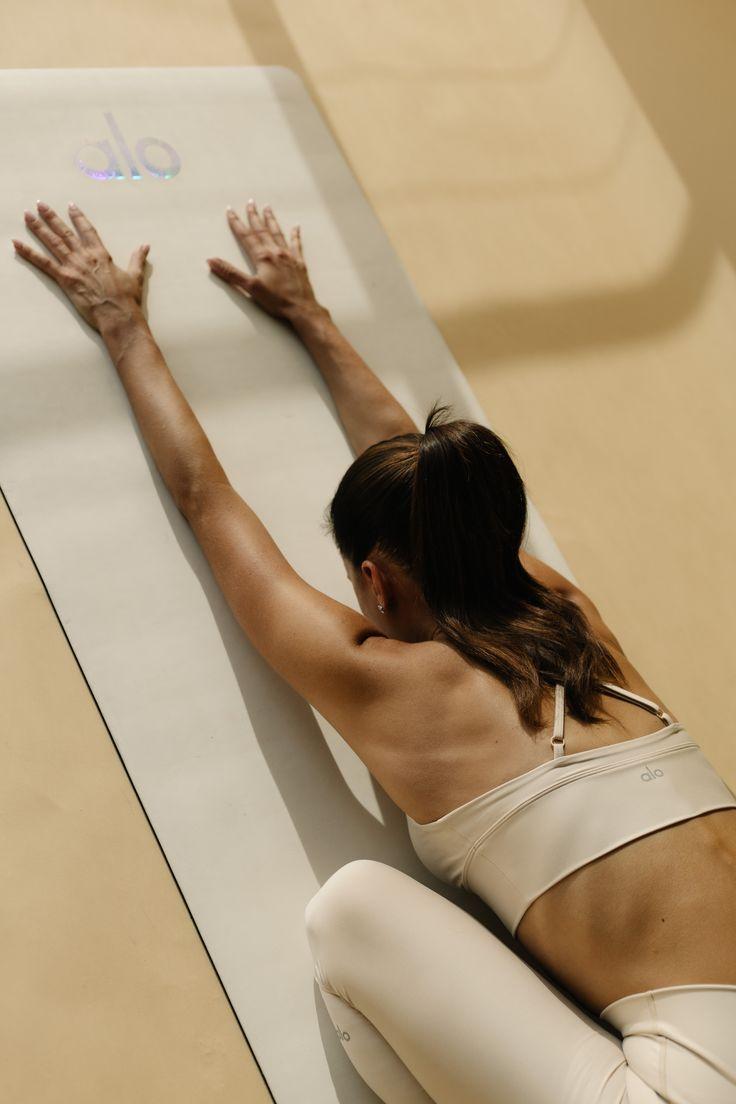
Yoga for Lower Back Pain
A gentle, mindful approach to easing tension in the lower back by building core awareness, releasing tight hips and hamstrings, and moving with your breath. Practice softly and always honour your body's limits.
A Compassionate Approach to Back Care
Lower back discomfort is one of the most common reasons people seek out yoga, and for good reason. Gentle, consistent practice may help release tension in the muscles that support the spine while improving your awareness of how you sit, stand, and move. This guide offers supportive tools to explore alongside the guidance of your healthcare provider.
Understanding Lower Back Discomfort
The lower back carries much of your body's weight and is involved in almost every movement you make. Tight hamstrings, weak core stabilisers, and prolonged sitting can all contribute to strain in this area. When pain is acute, radiating into the legs, or linked to disc issues, it is important to seek medical advice before practising.
Ways Yoga May Support You
Builds core awareness
Gentle poses that engage the belly and pelvic floor may help stabilise the lower back and improve how you move through daily life.
Releases hip and hamstring tension
Openers such as supported hip and hamstring stretches may relieve pulling on the pelvis that can contribute to back strain.
Encourages gentle extension
Soft, mindful backbends may help counteract the effects of prolonged sitting and bring ease to a stiff spine.
Calms the nervous system
Slow breathing and relaxation practices can reduce stress-related muscle tension and help you respond to discomfort with patience.
Gentle Asanas to Explore
Calming Breath Practices
Mindful Practices to Support Recovery
Daily Habits That May Help
Move little and often
Short, regular breaks from sitting may support spinal comfort far more than a single long practice.
Mind your posture at your desk
Setting up your chair, screen, and feet so your spine rests in a neutral line may reduce daily strain.
Lift with your legs
Bending from the knees and keeping the load close may protect the lower back during everyday tasks.
Sleep in a supportive position
A pillow between the knees when side-lying may help keep the spine aligned through the night.
Practice with Care
Avoid deep forward folds and forceful twists during an acute episode, as they may aggravate the lower back.
Move slowly into and out of every pose, and stop if you feel sharp or radiating pain.
If your pain is accompanied by numbness, tingling, or weakness in the legs, pause and speak with a healthcare professional.
If you have a diagnosed disc condition or osteoporosis, practise only with medical clearance and expert guidance.
When to Seek Professional Advice
Consult a doctor before starting yoga if your back pain is severe, acute, or the result of a recent injury.
Seek medical attention if pain radiates down the leg, follows a fall, or is accompanied by fever or loss of bladder or bowel control.
Remember that yoga complements professional care and never replaces a diagnosis or treatment plan from your healthcare provider.
Common Questions About Yoga and Back Pain
इस विषय पर और जानें
स्वास्थ्य व कल्याण से संबंधित
इसे अन्य अभ्यासों के साथ जोड़ें
महत्वपूर्ण विषयों पर वापस जाएं
Begin a Personalised Practice for Your Wellness
Every body is unique. Your first class is free — talk to Gayatri and receive guidance tailored to your needs.