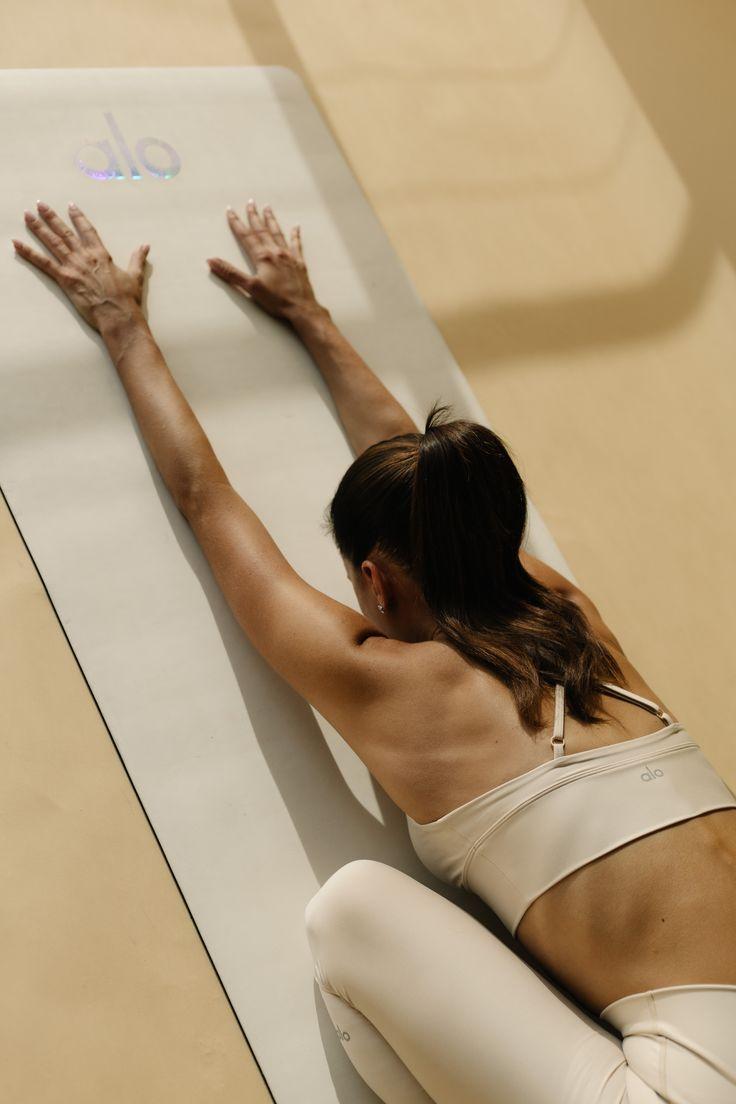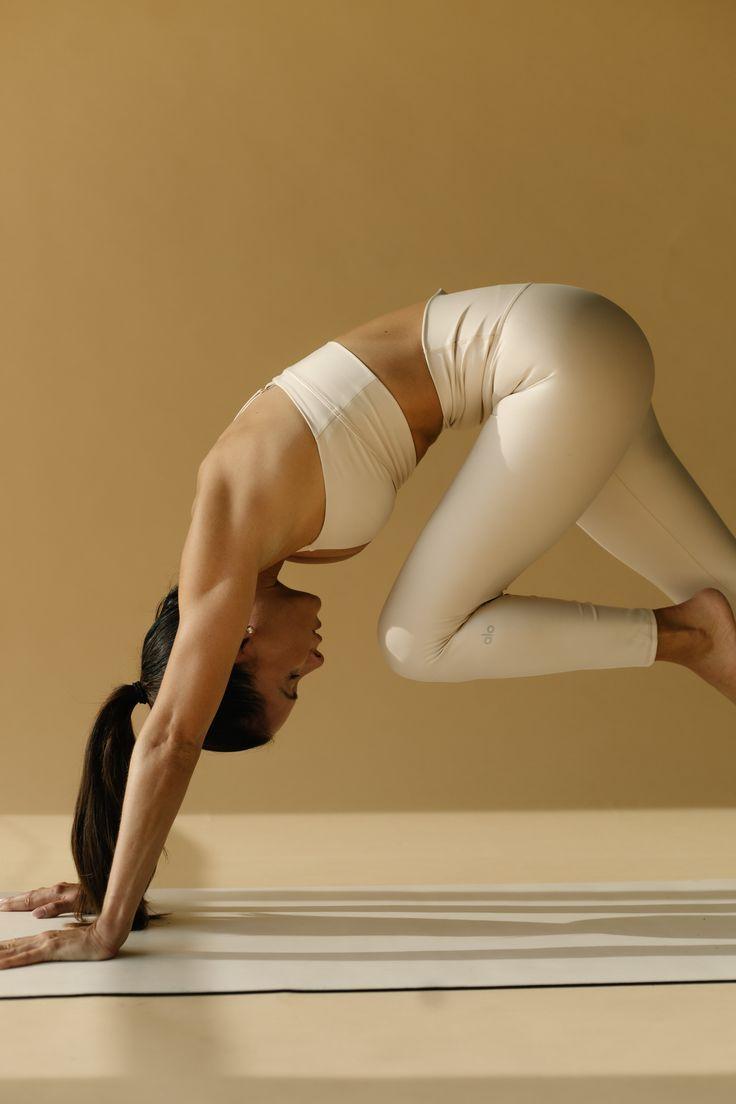
Relaxation Asanas
Relaxation poses are the most essential and often most neglected aspect of yoga practice. These restorative postures allow the body and mind to integrate the benefits of your practice, activate the relaxation response, and experience the deep rest that modern life rarely provides.
What Are Relaxation Asanas?
Relaxation asanas are restorative poses designed to promote deep physical and mental rest. Unlike active poses that build strength or flexibility, relaxation poses use props and supportive positioning to allow the body to fully release tension. They activate the parasympathetic nervous system — the rest-and-digest branch — lowering heart rate, blood pressure, and cortisol levels. In yogic tradition, the final relaxation (Savasana) is considered the most important pose of any practice, where the body integrates the physical, mental, and energetic benefits of all the preceding asanas.
Why Practice Relaxation Asanas?
In our fast-paced, always-on world, the ability to deeply relax is both rare and essential. Relaxation asanas are not just about ending a yoga class — they are a powerful antidote to chronic stress, insomnia, and nervous system overload. These poses teach the body to rest efficiently, which is a skill that must be cultivated. Regular practice of relaxation asanas improves sleep quality, reduces anxiety, supports immune function, and accelerates recovery from physical exertion. They also cultivate the ability to be still — a quality that is foundational to meditation and self-awareness.
Benefits of Relaxation Asanas
Activates the Relaxation Response
Restorative poses trigger the parasympathetic nervous system, reducing stress hormones and promoting deep physiological rest.
Improves Sleep Quality
Regular practice of relaxation asanas trains the body to transition into rest states, improving sleep onset and sleep depth.
Supports Physical Recovery
Relaxation poses allow muscles, connective tissues, and the nervous system to recover after physical exertion or injury.
Reduces Anxiety
The supported, safe positioning of relaxation poses signals safety to the nervous system, reducing anxiety and hypervigilance.
Integrates Practice Benefits
Relaxation at the end of practice allows the body to assimilate the effects of the preceding asanas, maximizing their benefits.
Explore All *Asanas*
Who Should Practice Relaxation Asanas
Everyone
Relaxation poses are universal — every person, regardless of age, fitness level, or yoga experience, benefits from deep rest.
People with High Stress & Anxiety
Restorative poses are one of the most effective tools for managing chronic stress, anxiety disorders, and nervous system dysregulation.
Those with Insomnia or Sleep Issues
Regular practice of relaxation asanas before bed trains the body and mind to transition into rest states more easily.
Athletes & Active Individuals
Relaxation poses accelerate recovery by reducing muscle tension, lowering cortisol, and activating the parasympathetic nervous system.
Anyone Recovering from Illness or Injury
The gentle, supported nature of relaxation poses makes them ideal for recovery periods when active practice is not appropriate.
Safety Tips for Relaxation Asanas
Use props generously — blankets under the knees, bolsters under the knees, and eye pillows create the support needed for complete release.
Keep the body warm during relaxation poses — cover yourself with a blanket as body temperature drops during deep relaxation.
Set a timer for Savasana so you do not have to track time mentally — allow yourself to fully let go.
If lying on the back is uncomfortable during pregnancy, practice relaxation on the left side with a blanket between the knees.
Allow the breath to become natural and effortless — relaxation poses are not the time for active breathing techniques.
Transition out of relaxation poses slowly — wiggle fingers and toes, gently move the body, and roll to the side before sitting up.
Explore Related Categories
Frequently Asked Questions
इस विषय पर और जानें
आसन यात्रा
इसे अन्य अभ्यासों के साथ जोड़ें
महत्वपूर्ण विषयों पर वापस जाएं
Ready to Practice These Asanas?
Your first class is free. Talk to Gayatri and get personalized guidance for your practice.