Wellness While Working From Home
Working from home blurs the line between work and life — the laptop never leaves the sofa, meetings spill into evenings, and posture goes out the window. This guide helps you create healthy boundaries, movement, and routines so remote work supports your wellbeing instead of eroding it.
A Healthy Home Office
Working from home brings freedom — and hidden pitfalls. Without the structure of an office, many people sit longer, move less, eat at their desks, and struggle to switch off. The solution is a set of simple habits: a dedicated workspace, clear start and end times, regular movement and screen breaks, and a physical ritual that marks 'work mode' on and off. With these in place, your home becomes a place that restores you, not just where you happen to work.
Why It Matters
When work and home share one space, stress leaks into your rest and rest gets postponed. Poor ergonomics cause back, neck, and wrist pain. Screen-heavy days strain your eyes and attention. And without a commute or office to signal the day's end, burnout creeps in quietly. Work-from-home wellness protects your posture, your eyes, your focus, and your ability to actually switch off — so remote work stays sustainable and your wellbeing is not the casualty.
Your Remote Wellness Routine
Create a Dedicated Workspace
Set up a consistent spot with good light and ergonomics. A defined workspace helps your mind enter and leave work mode.
Start With a Morning Ritual
Begin the day with water, movement, and a clear intention before opening your laptop. This recreates the lost commute ritual.
Dress for Work (Sort Of)
Change out of sleepwear and prepare as you would for an office. It shifts your mindset and energy for the day.
Take Regular Movement Breaks
Stand, stretch, or walk for a few minutes every hour. Break up sitting before your back and hips complain.
Eat Lunch Away From Your Desk
Step away from your screen at lunch. A real break resets your eyes, digestion, and afternoon focus.
Finish With a Shutdown Ritual
Close your laptop, tidy your desk, and consciously 'end' the day. Without this, work bleeds into your evenings.
Habits for a Balanced Remote Life
Set Clear Work Boundaries
Define your working hours and communicate them. Protecting your end time protects your recovery.
Keep Work Out of the Bedroom
Reserve your bedroom for sleep. Keeping work physically out of your rest space improves both focus and sleep.
Schedule Movement Like a Meeting
Book walking breaks and stretch breaks into your calendar. What is scheduled actually happens.
Practise the 20-20-20 Eye Rule
Every 20 minutes, look at something 20 feet away for 20 seconds. It rests your eyes through long screen days.
Take Real Lunch Breaks
Step away from your desk, eat mindfully, and get some daylight. It restores energy for the afternoon.
End Each Day With a Review
Note what you accomplished, then mentally close the workday. This prevents the 'always on' feeling.
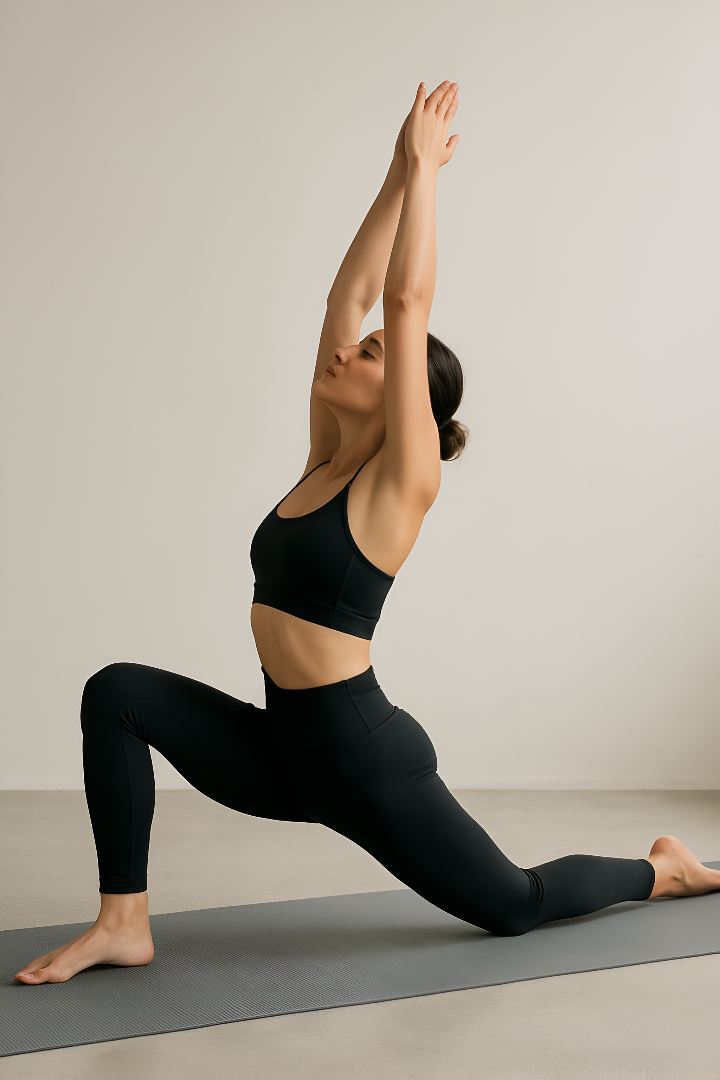
Yoga for Remote Workers
Nourishment for Remote Days
Warm, Balanced Breakfast
Porridge, millets, or eggs with fruit start your remote day with steady energy instead of coffee spikes.
Lunch With Vegetables and Protein
Grains, dal or paneer, and vegetables keep your afternoon steady and prevent the 3pm crash.
Healthy Desk Snacks
Keep fruit, nuts, roasted chana, or curd nearby so you are not tempted by processed snacks.
Herbal Teas Between Meetings
Tulsi, ginger, or green tea add a calming ritual and gentle hydration to your screen time.
Plenty of Water
Keep a bottle at your desk and sip regularly. Dehydration quietly erodes focus and energy.
Light Early Dinner
An early, light dinner supports good digestion and deep sleep after a day of sitting.
Work-From-Home Lifestyle Tips
Recreate a Commute
Take a short walk before and after work. It separates home time from work time the way a commute once did.
Keep Notifications in Check
Turn off non-essential notifications during focused work and fully after work hours. Do not let your phone govern your day.
Get Daylight Early
Open windows or step outside in the morning. Daylight anchors your body clock and boosts mood.
Separate the Screen Spaces
Do deep work on a desktop or laptop screen and keep scrolling and leisure off separate devices or times.
Socialise Deliberately
Remote work can isolate. Schedule calls, walks, or meetups with colleagues and friends to stay connected.
Forgive Flexible Days
Some remote days are chaotic. Keep the core anchors — start ritual, movement, end ritual — and let the rest flex.
Frequently Asked Questions
महत्वपूर्ण विषयों पर वापस जाएं
Build a Sustainable Lifestyle With Gayatri
Get personalised wellness guidance that fits your routine. A one-on-one session with Gayatri can help you build habits that last.