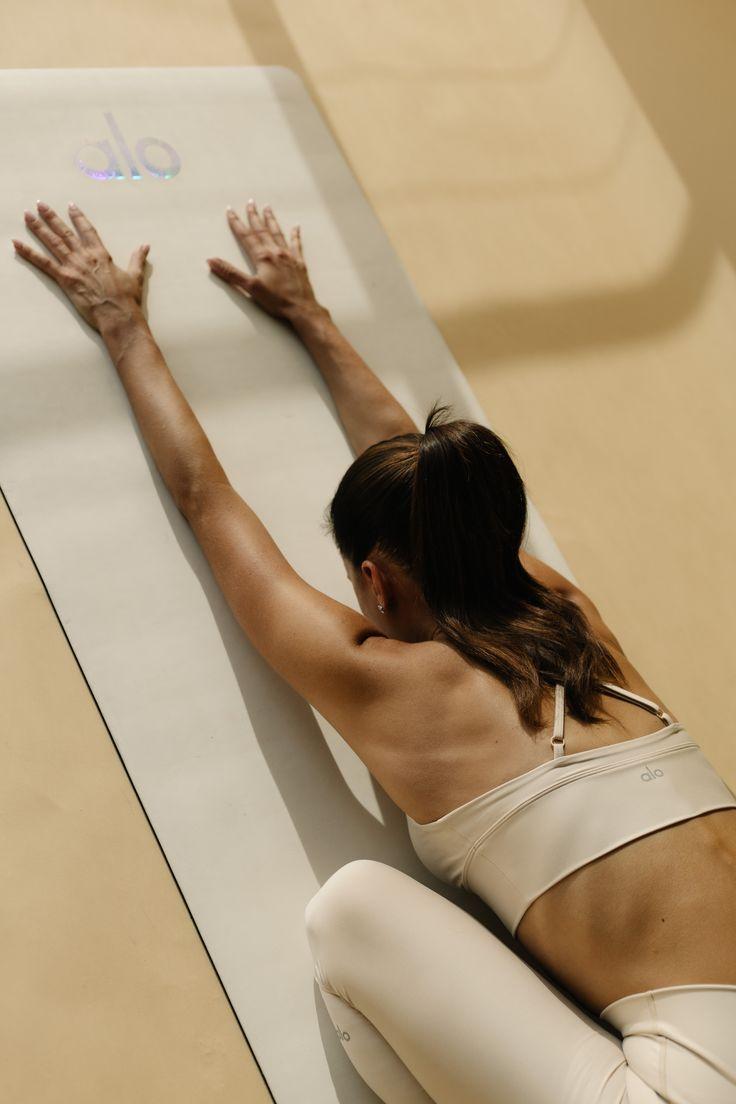
Viparita Karani — Legs-Up-the-Wall Pose
Viparita Karani is a gentle, restorative inversion where the practitioner lies on the floor with the legs extended vertically against a wall. Unlike more demanding inversions like Headstand or Handstand, Viparita Karani is accessible to practitioners of all levels and requires minimal muscular effort. The pose is deeply calming and offers many of the benefits of inversion without the risks to the neck or spine.
Quick Overview
Viparita Karani is the most accessible inversion in yoga. The practitioner simply lies on the floor with the buttocks close to a wall and the legs extended upward, resting against the wall. The arms relax at the sides or rest on the belly. Despite its simplicity, this pose offers profound benefits — it gently reverses the effects of gravity, calms the nervous system, and provides relief for tired legs and feet.
Benefits of Viparita Karani
Promotes Deep Relaxation
The gentle inversion activates the parasympathetic nervous system, triggering the relaxation response and reducing cortisol levels.
Reduces Leg Swelling & Fatigue
Elevating the legs above the heart encourages venous return and lymphatic drainage, which may reduce edema and relieve tired, heavy legs.
Relieves Lower Back Tension
The supported position of the lower back on the floor, combined with the leg elevation, can release tension in the lumbar spine.
Supports Healthy Circulation
The inverted position encourages blood flow from the lower extremities back to the heart without placing stress on the cardiovascular system.
Eases Headaches & Mild Anxiety
The calming effect of the pose, combined with the gentle reversal of blood flow, may help alleviate tension headaches and mild anxiety.
Body Focus
Elevated to promote venous return and reduce swelling
Supported by the floor, releasing tension in the lumbar region
Actively calmed through the gentle inversion and supported position
Encourages healthy blood flow without cardiovascular strain
Relaxed and neutral, benefiting from the supported position
Who Should Practice Viparita Karani
All Yoga Practitioners
Viparita Karani is suitable for everyone from absolute beginners to advanced practitioners seeking a restorative pose.
People with Sedentary Jobs
Those who sit for long hours benefit from the reversal of gravitational stress on the legs and lower back.
Individuals with Anxiety or Insomnia
The deeply calming effect of this pose makes it an excellent addition to a bedtime or stress-relief routine.
Seniors & Those with Limited Mobility
Viparita Karani requires minimal strength and can be modified with blankets and bolsters for comfort.
Who Should Avoid Viparita Karani
Even gentle inversions increase intraocular pressure. Those with glaucoma should consult a healthcare provider.
While generally safe, some acute back conditions may make lying flat uncomfortable. Use a bolster under the hips for support.
Preparation Tips
Place a folded blanket or bolster under the hips for additional support and comfort
Situate the sitting bones 3–6 inches from the wall for the optimal leg angle
Wear loose, comfortable clothing and keep the room at a comfortable temperature
Use an eye pillow or a soft cloth over the eyes to deepen the relaxation response
Step-by-Step Instructions
Position yourself near a wall
Sit sideways with your right hip touching the wall. Follow the instructions from this seated position.
Lie down and pivot
As you lie onto your back, pivot the body so the legs extend upward along the wall. The sitting bones should be 3–6 inches from the wall.
Adjust the legs
Extend the legs up the wall with the feet relaxed and the heels resting against the wall. The legs can be together or hip-width apart.
Position the arms and head
Rest the arms at the sides with the palms facing up, or place the hands gently on the belly. Support the head with a small blanket if desired.
Soften the body
Consciously relax the face, jaw, throat, and shoulders. Allow the thighs to soften and the feet to gently release.
Breathe naturally
Breathe in a natural, relaxed rhythm. With each exhalation, imagine releasing any remaining tension in the body.
Stay for 5–20 minutes
Remain in the pose for 5–20 minutes. To exit, bend the knees, roll to one side, and pause before pressing up to a seated position.
Breathing Guidance
Viparita Karani is a restorative pose, so the breath should be effortless and natural. Allow the breath to settle into a calm, diaphragmatic rhythm without forcing or controlling it. As the body relaxes, the breath will naturally deepen and slow. Use the exhalations to consciously release tension in the legs, back, and face.
Common Mistakes
Sitting too far from the wall
Correction: Move the hips closer to the wall so the legs are vertical or at a comfortable angle. Sitting more than 6 inches away reduces the inversion effect.
Tensing the legs or feet
Correction: Consciously soften the thighs and release the feet. Active engagement works against the restorative nature of the pose.
Holding the breath or shallow breathing
Correction: Place a hand on the belly and feel it rise and fall with each breath. Gentle awareness prevents unconscious breath holding.
Practicing immediately after a heavy meal
Correction: Practice 30–60 minutes after a light meal or snack. Extreme fullness can interfere with relaxation.
Safety Precautions
The intraocular pressure increase, while milder than in active inversions, may still be problematic for those with glaucoma.
Roll to the side and pause before sitting up to prevent dizziness. This is especially important for those with low blood pressure.
Variations & Modifications
Supported Viparita Karani (with Bolster)
BeginnerPlace a bolster or folded blankets under the hips and lower back to create a gentle incline, making the pose even more restorative.
Viparita Karani with Bound Legs
BeginnerTie a strap around the thighs to keep the legs together and reduce muscular effort, deepening the relaxation.
Viparita Karani with Legs Apart
BeginnerBring the legs into a gentle V-shape against the wall, adding an inner thigh stretch to the restorative inversion.
Related Asanas
Explore Related Categories
Frequently Asked Questions
इस विषय पर और जानें
इसे अन्य अभ्यासों के साथ जोड़ें
महत्वपूर्ण विषयों पर वापस जाएं
Master Legs-Up-the-Wall Pose with Personal Guidance
Your first class is free. Talk to Gayatri and get personalized alignment cues for your practice.