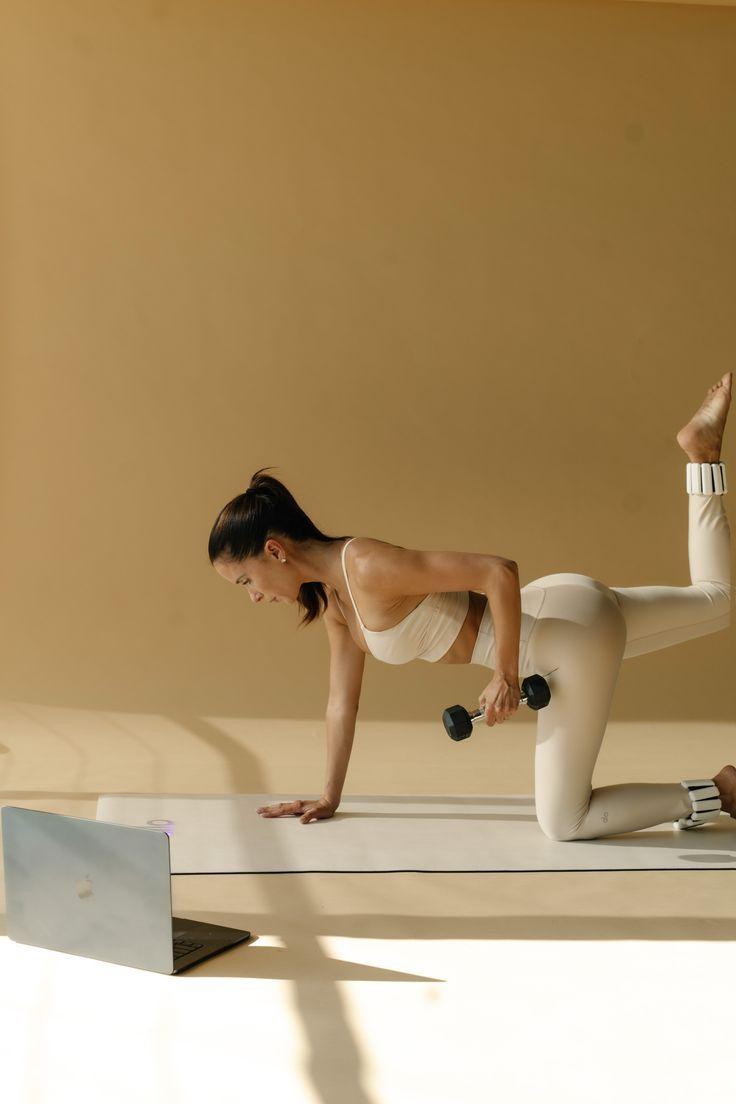
Prenatal Yoga — Nurturing Mother & Baby
Prenatal Yoga is a thoughtfully adapted practice designed to support the physical, mental, and emotional changes of pregnancy. Rooted in gentle movement, breath awareness, and deep relaxation, this practice prepares the body for childbirth while creating space for connection with your growing baby.
What Is Prenatal Yoga?
Prenatal Yoga is a specialized approach to yoga designed specifically for pregnant individuals. It adapts traditional poses to accommodate the changing body, with a focus on pelvic floor health, gentle strengthening, spinal mobility, and breath awareness. The practice avoids poses that compress the abdomen, involve deep twists, or risk falling. Prenatal Yoga emphasizes the breathing and mental focus techniques that are invaluable during labor and delivery. Research shows that regular prenatal yoga reduces pregnancy discomfort, lowers stress and anxiety, improves sleep, and may shorten labor duration.
Why Prenatal Yoga Matters
Pregnancy brings profound physical and emotional changes that can be challenging to navigate. Prenatal Yoga provides a safe, supportive space to move your body, connect with your breath, and prepare mindfully for one of the most transformative experiences of your life. The physical benefits — reduced back pain, improved sleep, better circulation — significantly improve quality of life during pregnancy. Equally important, the breathing techniques and mental focus cultivated in prenatal yoga are directly applicable to managing labor contractions, reducing fear, and promoting a more positive birth experience.
Benefits of Prenatal Yoga
Alleviates Pregnancy Discomforts
Gentle stretching and strengthening relieve common pregnancy ailments including lower back pain, sciatica, swollen ankles, round ligament pain, and shortness of breath.
Prepares the Body for Labor
Pelvic floor exercises, hip openers, and squatting poses prepare the body physically for childbirth, improving pelvic mobility and potentially reducing labor duration.
Develops Birth Breathing Skills
Pranayama techniques taught in prenatal yoga — slow deep breathing, Ujjayi breath — give you practical tools to manage pain and stay calm during contractions.
Reduces Stress & Anxiety
Regular practice lowers cortisol levels, reduces pregnancy-related anxiety, and promotes emotional well-being through relaxation and mindfulness techniques.
Builds Community & Support
Group prenatal classes connect you with other expectant parents, creating a supportive community that shares the journey and provides valuable emotional support.
Who Is Prenatal Yoga For
Pregnant Individuals of All Trimesters
Prenatal Yoga is safe throughout pregnancy, though modifications apply in each trimester. First-trimester classes focus on energy and nausea management, while later trimesters emphasize comfort and birth preparation.
First-Time Expectant Parents
If you are new to both yoga and pregnancy, prenatal yoga offers a gentle introduction to movement and prepares you for the physical demands of labor and parenting.
Active Pregnant Individuals
Those who practiced yoga before pregnancy can continue with prenatal adaptations, maintaining fitness and connection to their practice throughout the gestational period.
Anyone Seeking Birth Preparation
Even without a regular yoga practice, expectant individuals can benefit from the breathing techniques, relaxation skills, and body awareness that prenatal yoga develops.
Things to Know About Prenatal Yoga
Consult Your Healthcare Provider First
Always get clearance from your midwife or obstetrician before starting any exercise program during pregnancy, including prenatal yoga. Certain conditions may require additional precautions.
Listen to Your Body Intently
Pregnancy hormones loosen joints and ligaments, making you more flexible but also more prone to overstretching. Do not push into deep stretches — maintain 70% of your maximum effort.
Avoid Certain Poses
Prenatal yoga avoids deep twists, poses lying flat on the belly, deep backbends, inversions, poses with a risk of falling, and any pose that causes discomfort. Your teacher will guide safe modifications.
Stay Cool & Hydrated
Avoid hot yoga and stay well-hydrated during practice. Pregnant bodies overheat more easily, so practice in a well-ventilated, comfortable-temperature room and drink water before, during, and after class.
Explore Related Topics
Frequently Asked Questions
इस विषय पर और जानें
महत्वपूर्ण विषयों पर वापस जाएं
क्या आप अपनी योग यात्रा शुरू करने के लिए तैयार हैं?
Your first class is free. Talk to Gayatri and discover the practice that's right for you.