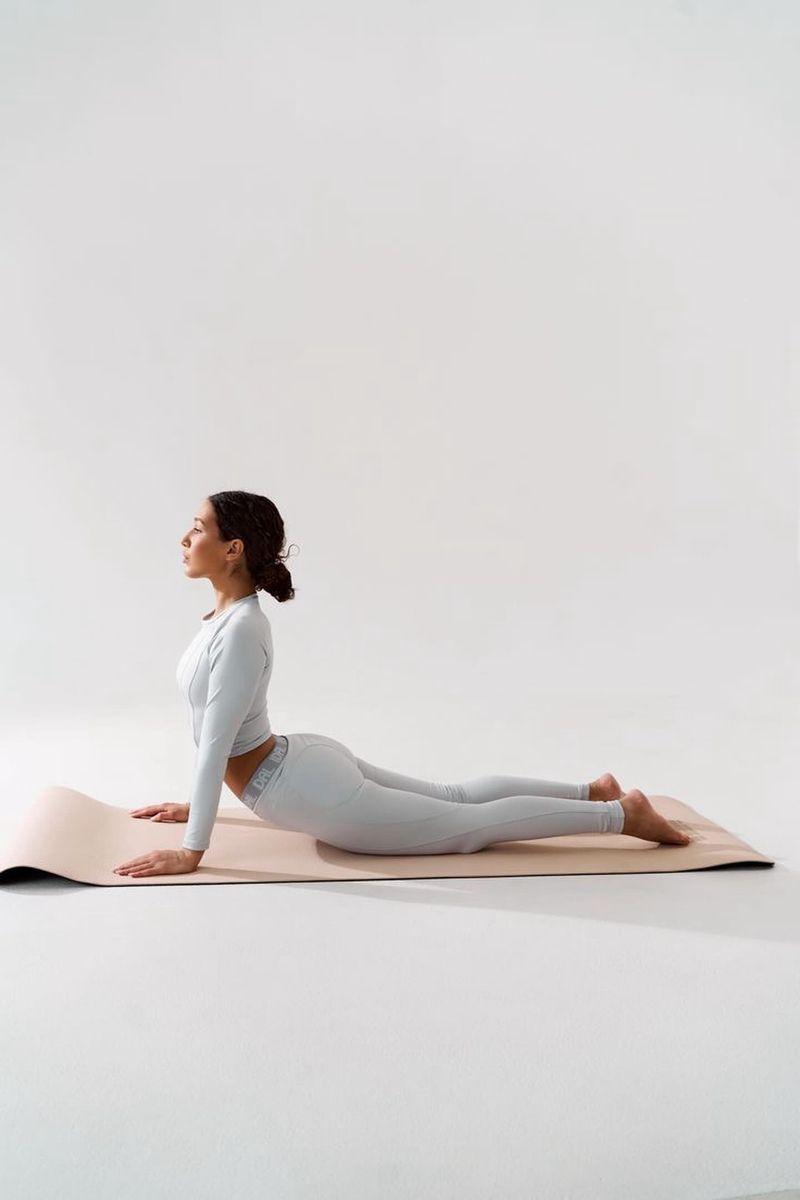
Yoga Nidra — Conscious Deep Rest
Yoga Nidra, or yogic sleep, is a powerful guided meditation practice that induces a state of conscious deep sleep. You lie down in Savasana and follow a systematic meditation that takes you through layers of awareness — from the physical body to the emotional mind to the core of your being. Yoga Nidra is one of the most profound and accessible practices in the yogic tradition.
What Is Yoga Nidra?
Yoga Nidra is a systematic meditation technique that guides you into a state of consciousness between waking and sleeping. Developed from the tantric practice of nyasa by Swami Satyananda Saraswati of the Bihar School of Yoga, the practice involves lying still in Savasana while following a guided meditation that rotates awareness through the body, breath, sensations, and emotions. Brain scans show that Yoga Nidra produces delta brainwaves similar to deep sleep while the practitioner maintains a thread of awareness. A 30-minute Yoga Nidra session provides restorative benefits equivalent to 2 to 3 hours of deep sleep.
Why Yoga Nidra Matters
Sleep deprivation and chronic stress have reached epidemic levels, affecting every aspect of health — cognitive function, emotional stability, immune resilience, and physical recovery. Yoga Nidra offers a scientifically proven intervention that can restore deep rest even when conventional sleep is elusive. Unlike napping or sleeping, Yoga Nidra actively trains the mind to access deeper states of relaxation and awareness, making it a transformational practice for mental health. It also serves as a powerful tool for reprogramming the subconscious mind — during the deeply receptive state of Yoga Nidra, positive intentions called sankalpas can be planted to create lasting behavioral change.
Benefits of Yoga Nidra
Restores Deep Rest Rapidly
A 20 to 40 minute Yoga Nidra session provides restorative benefits equal to hours of deep sleep, making it invaluable for those with insomnia, busy schedules, or high stress.
Reduces Stress & Anxiety Profoundly
Yoga Nidra measurably reduces cortisol levels, quiets the sympathetic nervous system, and activates the parasympathetic rest-and-digest response, relieving anxiety and stress.
Improves Sleep Quality
Regular practice retrains the brain to transition into sleep more easily, improves sleep architecture, and helps break the cycle of insomnia without medication.
Reprograms the Subconscious Mind
The receptive state of Yoga Nidra allows you to introduce a sankalpa (positive intention) directly to the subconscious, supporting behavioral change and personal growth.
Heals Trauma & Emotional Wounds
Yoga Nidra provides a safe container to process stored emotions and trauma, as the practice teaches you to observe sensations and emotions without identifying with them.
Who Is Yoga Nidra For
Anyone with Sleep Difficulties
If you struggle with falling asleep, staying asleep, or waking unrefreshed, Yoga Nidra is one of the most effective non-pharmaceutical interventions for improving sleep.
High-Stress Individuals
Professionals, caregivers, students, and anyone living with chronic stress will find Yoga Nidra a powerful tool for resetting the nervous system and preventing burnout.
People with Anxiety or PTSD
Yoga Nidra has been clinically proven to reduce symptoms of anxiety, depression, and PTSD by calming the amygdala and regulating the stress response.
Meditation Seekers
If sitting meditation feels difficult or inaccessible, Yoga Nidra offers an alternative entry point into deep meditative states while lying down in complete comfort.
Things to Know About Yoga Nidra
It Is Not the Same as Sleeping
While Yoga Nidra induces deep rest, the goal is to maintain a thread of awareness throughout. The practice is a state of conscious sleep, not unconsciousness.
Anyone Can Practice
Yoga Nidra requires no physical effort, flexibility, or experience. You simply lie down and listen. It is accessible to people of all ages, abilities, and health conditions.
The Set-Up Matters
Comfort is essential. Lie on a yoga mat or bed with a blanket for warmth. Use a bolster or pillows under your knees if your lower back needs support. Eye pillows enhance relaxation.
Consistency Deepens the Effects
While a single session is deeply relaxing, regular practice creates lasting changes in the nervous system and brain. Daily practice, even for 10 to 20 minutes, yields profound cumulative benefits.
Explore Related Topics
Frequently Asked Questions
इस विषय पर और जानें
योग के प्रकार यात्रा
इसे अन्य अभ्यासों के साथ जोड़ें
महत्वपूर्ण विषयों पर वापस जाएं
क्या आप अपनी योग यात्रा शुरू करने के लिए तैयार हैं?
Your first class is free. Talk to Gayatri and discover the practice that's right for you.