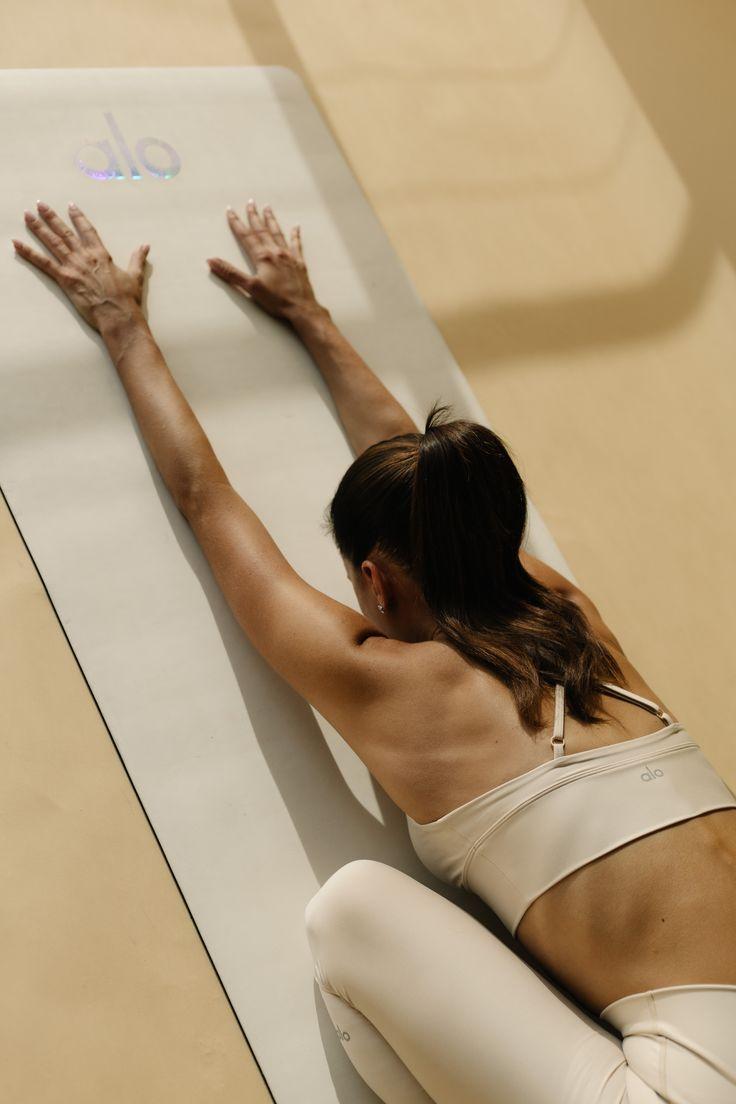
Setu Bandhasana — Bridge Pose
Setu Bandhasana is a supine backbend where the practitioner lifts the hips while keeping the shoulders and feet grounded, creating a bridge-like shape. This accessible backbend builds strength in the glutes and hamstrings, opens the chest, and calms the nervous system.
Quick Overview
Setu Bandhasana is one of the most accessible and beneficial backbends in yoga. Lying on the back with bent knees, the practitioner lifts the hips toward the ceiling, creating a bridge shape supported by the feet, shoulders, and arms. Despite its gentle nature, Bridge Pose delivers significant benefits — it strengthens the posterior chain, opens the chest and hip flexors, and can be either energizing or calming depending on how it is practiced. It is often used as a preparation for deeper backbends or as a counterpose to forward bends.
Benefits of Setu Bandhasana
Strengthens the Glutes & Hamstrings
Lifting and holding the hips engages the gluteal muscles and hamstrings, building posterior chain strength that supports spinal health.
Opens the Chest & Shoulders
The lift of the chest stretches the pectoral muscles and anterior shoulders, counteracting forward-rounded posture.
Improves Spinal Mobility
The gentle spinal extension in Bridge Pose maintains healthy disc function and vertebral articulation.
Calms the Nervous System
When held with support, Setu Bandhasana can activate the parasympathetic nervous system, promoting relaxation and stress relief.
Stretches the Hip Flexors
The extension of the hips in the lift provides a gentle stretch to the psoas and rectus femoris, which tighten from prolonged sitting.
Body Focus
Powerful engagement to lift and hold the hips in the bridge position
Gentle extension through the lumbar and thoracic regions
Opened as the sternum lifts toward the chin
Stretched as the hips extend and the pelvis tilts posteriorly
Supported extension as the shoulder blades draw together
Who Should Practice Setu Bandhasana
Yoga Beginners
Bridge Pose is one of the safest backbends to learn, making it ideal for new practitioners building spinal awareness.
Desk Workers
The chest-opening and hip-flexor-stretching effects directly counteract the postural strain of prolonged sitting.
Runners & Cyclists
Strengthening the glutes and hamstrings in Bridge Pose supports the posterior chain used in running and cycling.
Those with Tight Hip Flexors
The gentle hip extension in Bridge Pose provides a safe stretch for shortened hip flexors.
Who Should Avoid Setu Bandhasana
The weight on the shoulders and the position of the head may aggravate cervical spine conditions. Place a folded blanket under the shoulders for elevation.
The bent-knee position may strain healing knee structures. Practice with the feet wider apart or avoid until recovered.
The position of the head below the heart may increase intracranial pressure. Practice a gentle lift or use a supported variation.
Preparation Tips
Place a folded blanket under the shoulders to protect the neck if you have cervical spine sensitivity
Press the feet firmly into the floor and engage the glutes before lifting to ensure the lift comes from the legs, not the lower back
Keep the knees hip-width apart and parallel throughout the pose to protect the knee joints
Place a block between the thighs to maintain parallel alignment and enhance glute engagement
Step-by-Step Instructions
Lie on your back with knees bent
Place the feet flat on the floor hip-width apart, directly under the knees. The fingertips should brush the heels.
Press the arms and feet into the floor
Rest the arms alongside the body with palms facing down. Press actively through all four corners of the feet.
Inhale and lift the hips
Press the feet and arms into the floor and lift the hips toward the ceiling. Engage the glutes and hamstrings to support the lift.
Roll the shoulders underneath
Draw the shoulder blades together and interlace the fingers beneath the body if comfortable. This opens the chest further.
Keep the thighs parallel
Avoid letting the knees splay outward or drop inward. Maintain parallel thighs throughout the hold.
Lift the chest toward the chin
Press the sternum toward the chin without compressing the neck. The weight rests on the shoulders, not the neck.
Hold and breathe
Stay for 5–8 breaths. To release, unlace the fingers, and slowly roll the spine down from the upper back to the tailbone.
Breathing Guidance
Inhale to lift the hips and expand the chest. Exhale to maintain the lift without tensing the shoulders. While holding, breathe deeply into the upper chest — the open position of the rib cage allows for full, expansive breaths. With each exhale, consciously relax the jaw, neck, and shoulders. The breath in Bridge Pose should feel steady and effortless; if it becomes strained, lower the hips slightly.
Common Mistakes
Turning the head to look at the feet
Correction: Keep the head in a neutral position with the gaze upward. Turning the head can strain the cervical spine.
Letting the knees splay apart
Correction: Keep the knees hip-width apart and tracking over the ankles. Place a block between the thighs to maintain alignment.
Pushing through the neck
Correction: The weight should rest on the shoulders, not the neck. Roll the shoulders underneath and lift the chest.
Lifting the hips too high too fast
Correction: A moderate lift with engaged glutes is more effective than a high lift with a compressed lower back. Focus on length in the spine.
Safety Precautions
Keep the head and neck in a neutral position with the chin slightly tucked. If neck discomfort occurs, place a folded blanket under the shoulders.
Keep a soft bend in the knees even as the feet press into the floor to protect the knee joints.
When releasing the pose, unlace the fingers and roll the spine down vertebra by vertebra. Sudden drops can strain the lower back.
Variations & Modifications
Supported Bridge (Setu Bandha Sarvangasana)
BeginnerPlace a yoga block under the sacrum at its lowest height to create a passive, restorative version of the pose.
One-Legged Bridge (Eka Pada Setu Bandhasana)
IntermediateExtend one leg toward the ceiling while holding the hips lifted, adding balance and glute engagement to the pose.
Bridge with Interlaced Fingers
BeginnerInterlace the fingers beneath the body and press the arms into the floor to enhance chest opening and shoulder support.
Related Asanas
Explore Related Categories
Frequently Asked Questions
इस विषय पर और जानें
इसे अन्य अभ्यासों के साथ जोड़ें
महत्वपूर्ण विषयों पर वापस जाएं
Master Bridge Pose with Personal Guidance
Your first class is free. Talk to Gayatri and get personalized alignment cues for your practice.