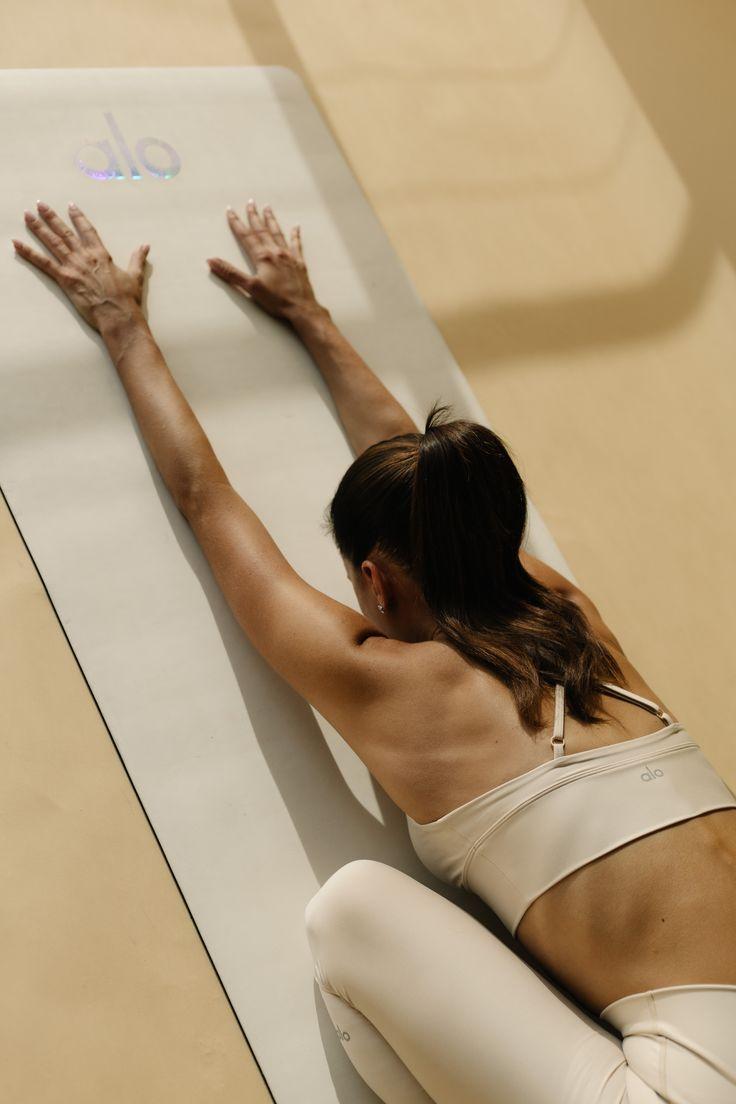
Matsyasana — Fish Pose
Matsyasana is a supine backbend where the practitioner arches the upper back off the floor while resting the crown of the head on the mat, creating a shape reminiscent of a fish. This intermediate pose opens the chest and throat, stretches the neck, and is traditionally believed to support respiratory health.
Quick Overview
Matsyasana is a classic supine backbend that appears in many traditional yoga texts. The practitioner lies on the back and lifts the chest by pressing through the forearms and elbows, eventually releasing the crown of the head to the floor for a deep opening of the throat and upper chest. The pose is often practiced after Sarvangasana (Shoulder Stand) as a counterpose. In yogic tradition, Matsyasana is associated with the Vishuddha (throat) chakra and is said to promote clarity of expression and communication.
Benefits of Matsyasana
Opens the Chest & Throat
The deep arch of the upper back stretches the pectoral muscles, intercostals, and anterior neck muscles in a single integrated opening.
Improves Respiratory Function
The expansion of the rib cage and intercostal spaces allows for deeper, more efficient breathing and improved lung capacity.
Stretches the Neck & Shoulders
The position of the head and the arch of the upper back provide a gentle stretch to the neck flexors and shoulder muscles.
Stimulates the Thyroid Gland
The stretch across the front of the neck is believed to stimulate the thyroid and parathyroid glands, which regulate metabolism.
Relieves Tension in the Upper Back
The supported arch of the upper back releases tension between the shoulder blades and in the thoracic spine.
Body Focus
Deep opening stretch across the entire anterior chest
Gentle extension stretch for the anterior neck muscles
Supported extension that mobilizes the thoracic vertebrae
Anterior shoulder stretch and posterior shoulder blade engagement
Mild stretch through the psoas as the legs extend
Who Should Practice Matsyasana
Intermediate Yoga Students
Those with established spinal mobility and comfort with gentle backbends will find Fish Pose an accessible intermediate posture.
People with Rounded Shoulders
The deep chest opening of Matsyasana directly counteracts forward-rounded shoulder posture from desk work and screen use.
Individuals with Respiratory Concerns
The expansion of the rib cage and intercostal spaces makes this pose beneficial for improving breathing capacity.
Practitioners of Inversions
Matsyasana is the traditional counterpose to Sarvangasana (Shoulder Stand), restoring spinal alignment after inversions.
Who Should Avoid Matsyasana
Resting the crown of the head on the floor may strain the cervical spine. Practice with the head supported on a block or bolster instead.
The position of the head below the heart may increase intracranial pressure. Practice a gentle version with only a small backbend.
The extension of the neck may aggravate healing tissues. Avoid until fully recovered and cleared by a healthcare provider.
Preparation Tips
Warm up the spine with gentle Cat-Cow stretches and Setu Bandhasana before attempting Matsyasana
Begin by lifting only the upper back using the forearms before progressing to resting the head on the floor
Place a folded blanket under the head for cushioning and to reduce the depth of the neck extension
Keep the legs active and pressing into the floor to stabilize the pelvis and protect the lower back
Step-by-Step Instructions
Lie on your back with legs extended
Lie flat on the mat with legs together or hip-width apart. Place the arms alongside the body with palms facing down.
Slide the hands under the hips
Tuck the hands palms-down under the glutes. This supports the pelvis and helps lift the upper back.
Press through the forearms and elbows
Press the elbows and forearms into the floor to lift the chest toward the ceiling. Keep the weight on the elbows, not the head.
Arch the upper back off the floor
Continue pressing through the elbows to lift the upper back and shoulders off the mat. The lower back and sacrum remain grounded.
Release the crown of the head to the floor
Gently lower the crown of the head to the mat. The weight rests primarily on the elbows — the head is lightly supported.
Lift the chest toward the ceiling
Draw the sternum upward and the shoulder blades down the back. Keep the legs active and pressing into the floor.
Hold and breathe
Stay for 3–6 breaths. To release, press through the forearms, lift the head slightly, and lower the upper back to the floor.
Breathing Guidance
Matsyasana creates maximum expansion in the chest and rib cage, making it one of the best poses for experiencing full, three-dimensional breathing. Inhale deeply into the upper chest, feeling the ribs expand forward, sideways, and into the back. Exhale fully, maintaining the chest lift. The throat should feel open and relaxed — if the breath becomes constricted or noisy, reduce the depth of the neck extension until breathing becomes effortless.
Common Mistakes
Resting too much weight on the head
Correction: The crown of the head should only lightly touch the floor. The majority of the weight should be supported through the elbows and forearms.
Crunching the neck
Correction: Avoid compressing the cervical spine by keeping the throat soft and the jaw relaxed. If the neck feels pinched, place a folded blanket under the head.
Curling the toes or clenching the feet
Correction: Keep the feet relaxed and the legs active but not gripping. Point the toes or flex the feet gently depending on your comfort.
Holding the breath
Correction: The deep chest opening can feel intense — maintain steady, conscious breathing. If the breath stops, reduce the backbend until breathing returns to normal.
Safety Precautions
The head should reach the floor comfortably through spinal extension, not through straining the neck. Use a blanket or block under the head if needed.
The elbows and forearms bear the weight of the lift — the head is only lightly supported. This protects the cervical spine.
Matsyasana is not recommended for those with active neck injuries, whiplash, or cervical disc issues. Practice Setu Bandhasana instead.
Variations & Modifications
Supported Matsyasana
BeginnerPlace a yoga block or folded blanket under the upper back and another under the head for a fully supported, passive chest opening.
Matsyasana with Bent Knees
BeginnerPractice with bent knees and feet flat on the floor to reduce strain on the lower back and hip flexors.
Padma Matsyasana (Fish in Lotus)
AdvancedFrom Full Lotus Pose, lower the upper back into Fish Pose for an advanced variation that combines hip opening with the backbend.
Related Asanas
Explore Related Categories
Frequently Asked Questions
इस विषय पर और जानें
इसे अन्य अभ्यासों के साथ जोड़ें
महत्वपूर्ण विषयों पर वापस जाएं
Master Fish Pose with Personal Guidance
Your first class is free. Talk to Gayatri and get personalized alignment cues for your practice.