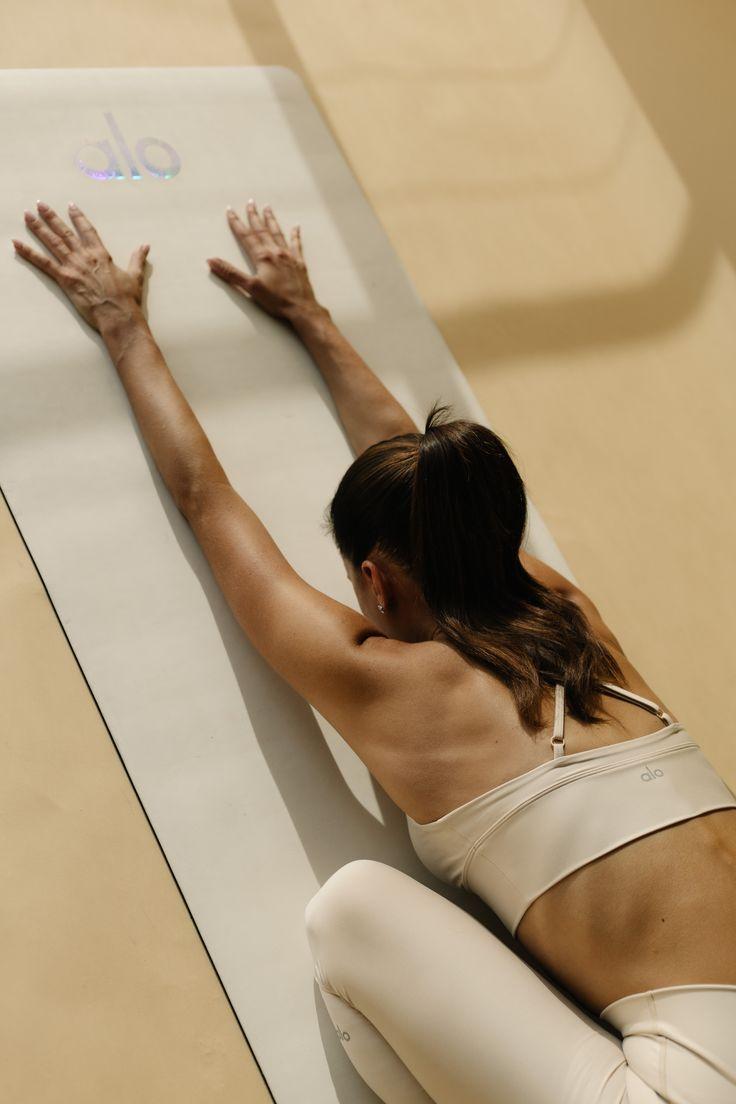
Ustrasana — Camel Pose
Ustrasana is a kneeling backbend where the practitioner arches backward to reach the hands toward the heels, opening the entire front body — throat, chest, abdomen, and hip flexors. This intermediate pose builds spinal flexibility, strengthens the back muscles, and cultivates emotional openness.
Quick Overview
Ustrasana is a kneeling backbend that demands mobility in the spine, hip flexors, and shoulders simultaneously. The practitioner begins kneeling and arches backward to grasp the heels, creating a deep opening across the entire front body. Unlike prone backbends that primarily engage the back muscles, Camel Pose relies on a balance of spinal flexibility and leg engagement to create a safe, expansive arch. The pose is associated with the Anahata (heart) chakra and is considered emotionally releasing for many practitioners.
Benefits of Ustrasana
Opens the Entire Front Body
The deep backward arch stretches the chest, abdomen, hip flexors, and throat simultaneously — counteracting the forward-curled posture of modern life.
Improves Spinal Mobility
Ustrasana takes the spine through full extension, maintaining healthy disc function and vertebral articulation.
Strengthens the Back Body
The back extensors, glutes, and hamstrings engage dynamically to support the weight of the torso in the backward arch.
Expands Respiratory Capacity
The opening of the rib cage and intercostal spaces allows for deeper, more efficient breathing.
Stimulates the Nervous System
The heart-opening quality of Camel Pose is energizing and can help combat feelings of lethargy, fatigue, or low mood.
Body Focus
Full extension through the cervical, thoracic, and lumbar regions
Deep stretch through the psoas and rectus femoris as the hips extend
Maximum opening stretch across the entire anterior chest
Gentle extension as the head releases back, stretching the anterior neck
Active engagement to support the kneeling position and protect the knees
Who Should Practice Ustrasana
Intermediate Yoga Practitioners
Ustrasana is best approached after establishing comfort with gentler backbends like Bhujangasana and Setu Bandhasana.
Those with Tight Hip Flexors
Prolonged sitting shortens the hip flexors — Camel Pose provides a direct, deep stretch to the psoas and quadriceps.
Individuals with Rounded Shoulder Posture
The chest-opening action directly opposes forward-rounded shoulders and can improve standing and seated posture.
Practitioners Seeking Emotional Release
The heart-opening nature of Ustrasana is known to release stored emotional tension in the chest and shoulders.
Who Should Avoid Ustrasana
Dropping the head back may compress or strain the cervical vertebrae. Keep the chin tucked toward the chest or practice with the head supported.
The position of the head below the heart combined with the backbend may increase intracranial pressure. Practice gently or avoid.
The deep stretch across the abdomen may strain healing tissues. Wait until fully recovered before attempting this pose.
Preparation Tips
Warm up with gentle Cat-Cow stretches, Bhujangasana, and Setu Bandhasana to prepare the spine for deeper extension
Place a folded blanket under the knees for cushioning, especially if you have sensitive knee joints
Keep the thighs pressed firmly together to engage the legs and protect the lower back
Practice with the toes tucked under to elevate the heels, making them easier to reach
Step-by-Step Instructions
Kneel with knees hip-width apart
Press the tops of the feet into the mat. Keep the thighs perpendicular to the floor and the hips stacked directly over the knees.
Engage the legs and core
Press the shins and feet firmly into the floor. Engage the glutes and lower abdomen to support the lower back.
Place the hands on the lower back
Bring the palms to the lower back with fingers pointing downward. Draw the elbows toward each other behind you.
Inhale and lift the chest
Lengthen through the spine and lift the sternum toward the ceiling. This creates the initial arch from the upper back.
Exhale and arch backward
Release the hands toward the heels one at a time. Keep the hips stacked over the knees — do not let them shift forward.
Reach for the heels
Grasp the heels with both hands, palms facing in or pressing into the heels for support. Allow the head to release back if the neck is comfortable.
Hold and breathe
Stay for 3–5 breaths. Press the hips forward slightly to deepen the arch. To release, bring the hands to the lower back and lift the torso upright with an inhale.
Breathing Guidance
In Ustrasana, the chest is maximally open, which can make the breath feel expansive and full. Inhale deeply into the upper chest, feeling the rib cage widen. Exhale fully, using the release to deepen the backward arch. The throat is vulnerable in this pose — keep the breath smooth and audible to prevent holding or straining. If the breath becomes short or uneven, the backbend is too deep — ease back until steady breathing returns.
Common Mistakes
Dropping the head fully back without neck support
Correction: Keep the chin slightly tucked if the neck feels strained. Only release the head back fully if the cervical spine is comfortable and mobile.
Shifting the hips forward of the knees
Correction: The hips should remain stacked directly over the knees. Shifting forward reduces the backbend and puts unnecessary pressure on the knees.
Compressing the lower back
Correction: Engage the glutes and lower abdomen to support the lumbar spine. The arch should distribute evenly through the entire spine, not hinge at the lower back.
Holding the breath due to intensity
Correction: The deep opening of Ustrasana can be intense — consciously maintain slow, even breathing. If the breath stops, you have gone too far.
Safety Precautions
Place a folded blanket under the knees if kneeling on a hard surface. Avoid Camel Pose if you have acute knee injuries.
Only drop the head back if the cervical spine is comfortable. Keep the chin slightly tucked if there is any neck discomfort.
If the heels are out of reach, keep the hands on the lower back or use blocks on either side of the feet for support.
Variations & Modifications
Supported Camel Pose
BeginnerPlace yoga blocks on either side of the feet and rest the hands on the blocks instead of reaching for the heels.
Half Camel (Ardha Ustrasana)
IntermediateReach one hand to the heel while keeping the other hand on the lower back. This reduces the intensity while building familiarity.
Camel with Toes Tucked
IntermediateTuck the toes under to elevate the heels, making them easier to reach and reducing the demand on ankle flexibility.
Related Asanas
Explore Related Categories
Frequently Asked Questions
इस विषय पर और जानें
इसे अन्य अभ्यासों के साथ जोड़ें
महत्वपूर्ण विषयों पर वापस जाएं
Master Camel Pose with Personal Guidance
Your first class is free. Talk to Gayatri and get personalized alignment cues for your practice.